
For years, the media establishment warned that chaos would follow if their influence waned. In 2025, that influence collapsed anyway, and the chaos revealed something else entirely: freedom favors the prepared.
This was not the year media died. It was the year it was redistributed.
The past twelve months did not belong to a single platform, ideology, or industry. Instead, they exposed a deeper truth about modern media: influence now flows through whoever controls attention, infrastructure, and distribution, often all at once. Traditional gatekeepers continued to erode, not because they vanished, but because they were outpaced by faster, leaner, and more adaptive forces.
This was the year creators became institutions, institutions became fragile, and ownership reasserted itself as destiny. Podcasts rivaled networks. Streamers eclipsed broadcasters. Executives reshaped newsrooms without ever appearing on screen. And technology quietly rewrote the rules for how content is produced, discovered, and trusted.
The figures who mattered most in 2025 were not always the loudest or most popular. Some built audiences measured in millions. Others moved markets, shifted narratives, or determined which voices would survive the next cycle. Taken together, they reveal a media landscape no longer organized around legacy prestige, but around leverage.
Once again, Valuetainment’s greatest minds convened to identify the individuals and organizations that most effectively used media or fundamentally altered how it works over the past year.
These are the names that defined media in 2025.
Discuss them…debate them…but one thing is clear: you cannot ignore them.
50. Suzanne Scott
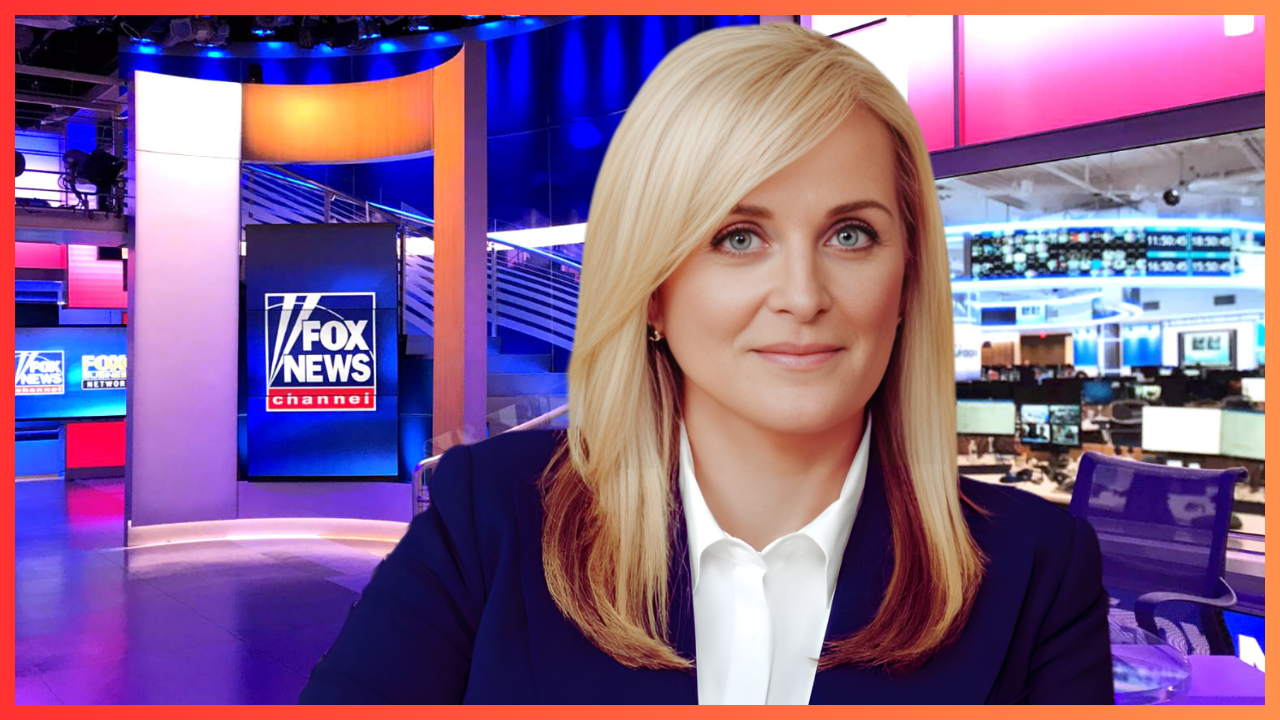
Audience Size: 6.5 | Notoriety: 7.0 | Cultural Impact: 8.0 | Wealth: 7.5 | Use of Influence: 8.0
Final Score: 37.0
Suzanne Scott’s influence in 2025 reaffirmed a reality much of the media industry would rather ignore: ratings are still power, and Fox News still knows how to hold them.
As CEO of Fox News Media, Scott presided over another year of sustained dominance in cable news while competitors continued to cycle through leadership changes, layoffs, and identity crises. Under her stewardship, Fox didn’t chase reinvention for its own sake—it doubled down on formats, personalities, and programming that audiences already trusted, and the results spoke for themselves.
Scott’s most consequential impact came not from on-air decisions, but from talent architecture. Prime-time, late-night, and panel programming remained stable and complementary, creating a pipeline that moved viewers seamlessly across the schedule. Shows like The Five and Gutfeld! continued to blur the line between news and entertainment, capturing audiences that cable rivals have all but abandoned.
In a year when many networks struggled to define what they stood for, Scott maintained Fox’s clarity of purpose. That consistency insulated the network from both political whiplash and industry panic, allowing Fox to benefit from fragmentation rather than suffer from it.
Critics still frame Fox as an outlier. In 2025, Suzanne Scott made it clear that Fox isn’t outside the system—it’s operating on a version of it that still works.
49. Scott Jennings
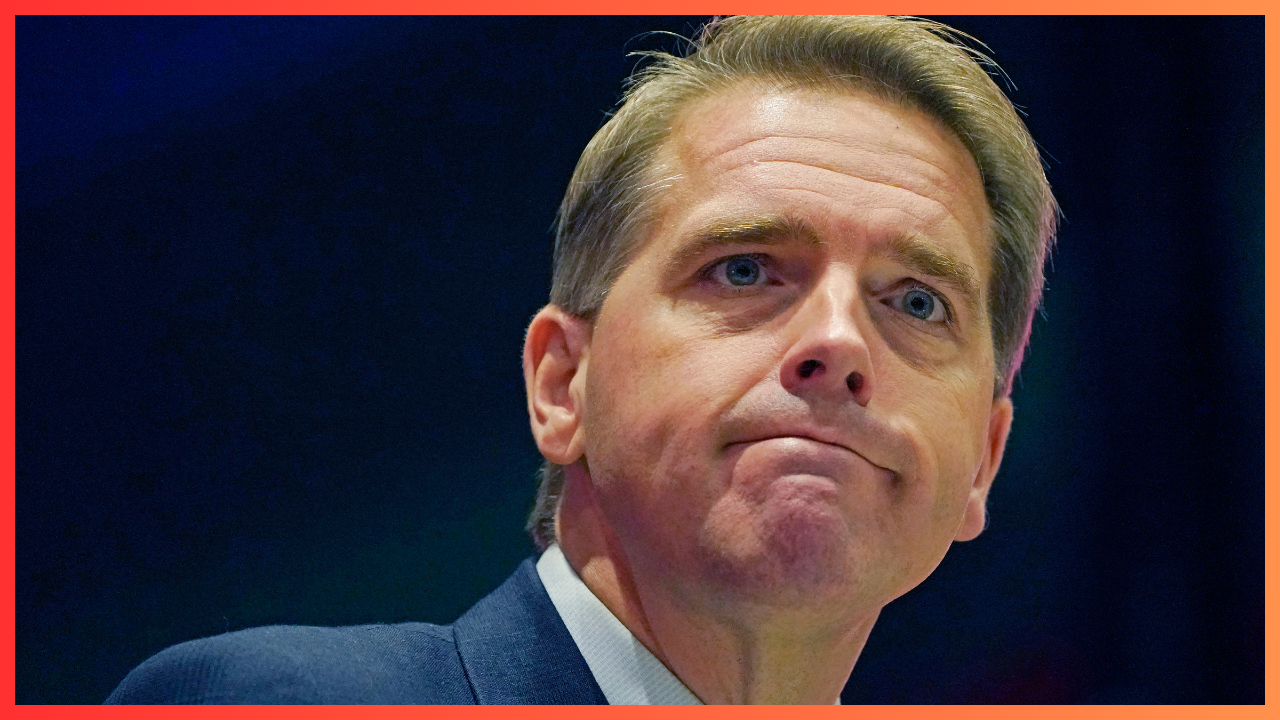
Audience Size: 8.0 | Notoriety: 7.5 | Cultural Impact: 7.8 | Wealth: 6.5 | Use of Influence: 7.5
Final Score: 37.3
Scott Jennings’ media influence in 2025 came from mastering one of the hardest roles in modern television: being the dissenting voice inside a hostile room—and surviving.
As one of the few reliable conservative commentators on CNN, Jennings became a recurring source of viral moments not because he shouted louder than his counterparts, but because he stayed disciplined while everyone else lost composure. His appearances on roundtable panels routinely clipped across social media, circulating far beyond CNN’s core audience and turning Jennings into a familiar face even among viewers who rarely watch the network itself.
What separated Jennings from many partisan pundits was tone. He argued from structure rather than outrage, forcing debates back to fundamentals—process, incentives, political reality—rather than moral posturing. That approach frustrated ideological opponents but earned him credibility with audiences exhausted by performative conflict.
Jennings also benefited from timing. In a year marked by institutional collapse, media distrust, and post-election realignment, his presence functioned as a stress test for legacy news panels. Every segment featuring Jennings implicitly asked the same question: can mainstream media still tolerate genuine ideological opposition?
In 2025, Scott Jennings didn’t control a platform—but he bent one. And in an ecosystem where access itself is influence, that made him one of the most effective operators on television.
48. Mehdi Hasan
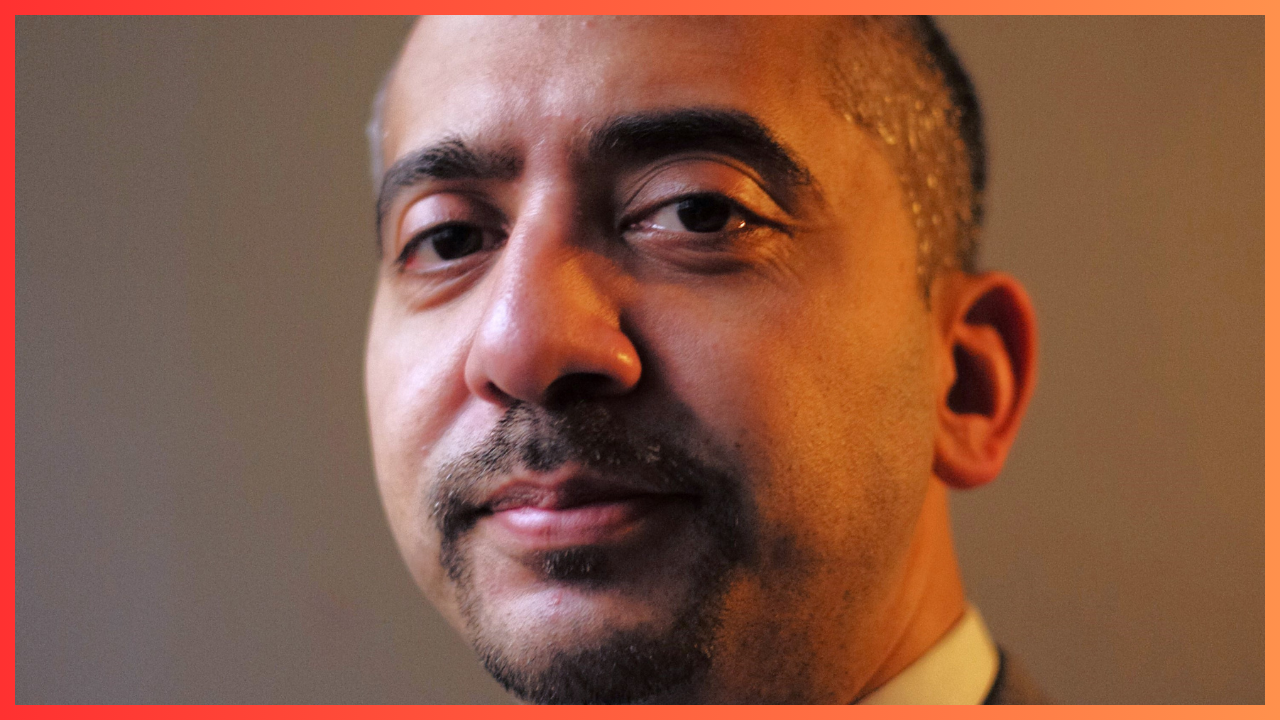
Audience Size: 7.5 | Notoriety: 7.2 | Cultural Impact: 8.0 | Wealth: 6.7 | Use of Influence: 8.0
Final Score: 37.4
Mehdi Hasan’s media relevance in 2025 was driven less by institutional authority and more by confrontation as content—a model that continued to generate attention even as its long-term durability came into question.
After exiting traditional cable-news confines, Hasan leaned fully into the role of independent provocateur, building his brand around sharp, adversarial interviews designed for short-form circulation. His exchanges—often clipped to emphasize moral confrontation over dialogue—performed well on social platforms, routinely drawing hundreds of thousands to millions of views. In that sense, Hasan understood the modern media incentive structure perfectly: conflict travels faster than context.
However, the same style that fueled his reach also narrowed his audience. Hasan’s interviews increasingly followed a predictable script—aggressive framing, binary moral premises, and little room for ideological ambiguity. While this approach energized sympathetic viewers, it limited his ability to break beyond an already-aligned base, reinforcing the sense that he was preaching rather than persuading.
From an industry standpoint, Hasan represents a broader trend in 2025: the migration of legacy commentators into personality-driven digital media, where authority is earned through virality rather than access. Yet unlike some peers who used that transition to expand their range, Hasan doubled down on prosecutorial media—effective in bursts, but prone to fatigue.
Mehdi Hasan remained visible in 2025, but his influence reflected the ceiling of a model that prioritizes rhetorical dominance over audience expansion. In a year when trust and curiosity proved increasingly valuable commodities, Hasan’s media footprint was loud—but narrower than it once appeared.
47. Matt Walsh
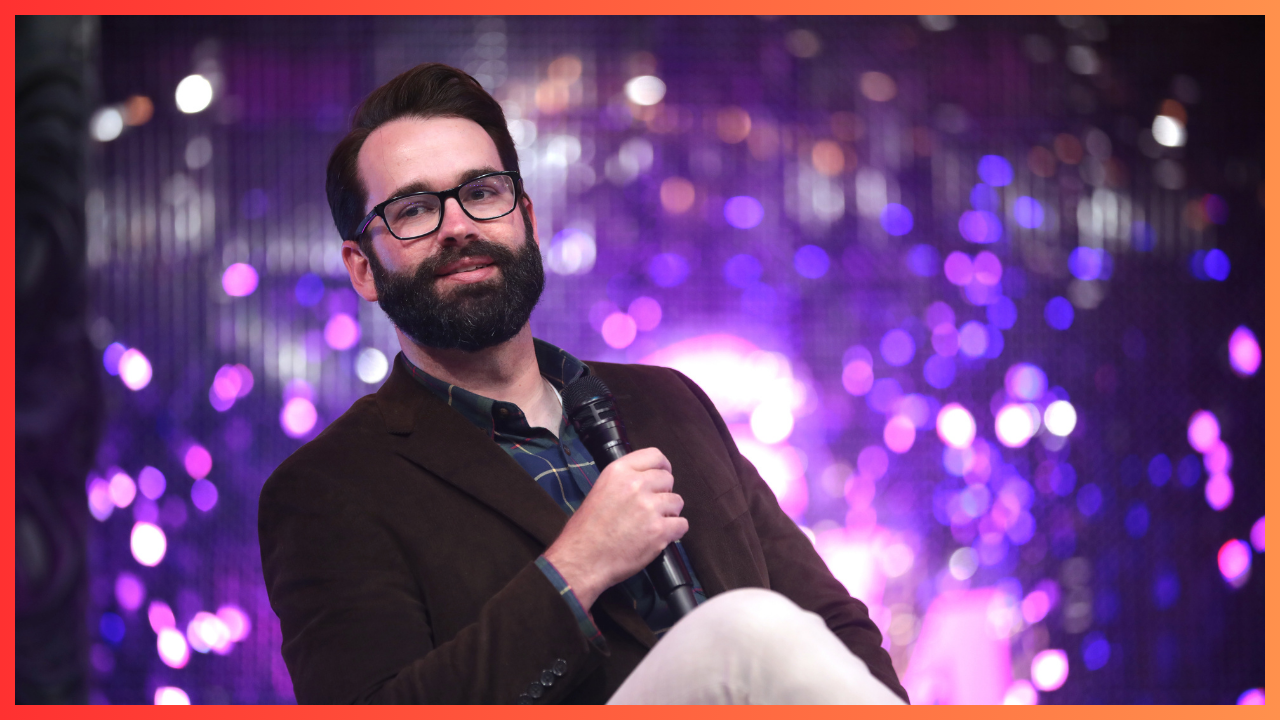
Audience Size: 7.9 | Notoriety: 7.8 | Cultural Impact: 7.7 | Wealth: 6.8 | Use of Influence: 7.3
Final Score: 37.5
Few figures in conservative media have managed to translate online influence into tangible political outcomes as effectively as Matt Walsh. As one of the most prominent faces of The Daily Wire, Walsh operates at the intersection of commentary, activism, and institutional pressure—using media not merely to shape opinion, but to force action.
Walsh’s flagship show remained a cornerstone of the Daily Wire ecosystem, regularly producing clips that dominated conservative social feeds and spilled into mainstream coverage, often through outrage-driven amplification. His confrontational style—direct, moralistic, and unapologetically adversarial—continued to resonate with an audience that views cultural conflict not as an abstraction, but as a zero-sum battle.
Beyond commentary, Walsh’s influence has increasingly manifested in the real world. His investigative reporting and sustained pressure campaigns targeting pediatric gender-transition practices played a direct role in shaping state-level legislation across the country. These efforts ultimately intersected with the legal system at the highest level.
In United States v. Skrmetti, the Supreme Court case centered on Tennessee’s ban on gender-affirming medical procedures for minors, Walsh’s prior reporting and activism were frequently cited by lawmakers and advocates defending the law. The case became a national referendum on the limits of medical intervention for children—and Walsh’s work helped frame the issue not as a niche cultural dispute, but as a mainstream ethical concern.
Separately, Walsh was heavily involved in public pressure surrounding cases tied to parental rights and medical transparency, including legal battles connected to Alabama’s LePage v. Center for Reproductive Medicine, which addressed the legal status of embryos and exposed broader questions about institutional accountability in healthcare systems. While not a litigant, Walsh’s media campaigns helped drive public scrutiny that lawmakers and courts could not ignore.
Walsh’s 2024 documentary Am I Racist? continued to reverberate culturally and politically, reinforcing his role as one of the Daily Wire’s most effective culture-war tacticians. Unlike traditional documentaries that aim for awards or prestige, Walsh’s work is designed to function as a weapon—distilling complex institutional failures into accessible narratives that mobilize supporters and pressure decision-makers.
Critics argue that Walsh’s approach oversimplifies complicated issues and inflames division. Supporters counter that his willingness to name targets, show receipts, and sustain pressure is precisely why results follow. From a media-impact standpoint, the latter argument is difficult to dismiss.
Walsh represents a model of media influence that legacy outlets are structurally incapable of replicating: personality-driven, morally explicit, and outcome-oriented. His work with The Daily Wire demonstrates how a vertically integrated media company can move seamlessly from content creation to legislative consequence, bypassing traditional gatekeepers entirely.
Whether viewed as a journalist, activist, or agitator, Matt Walsh has shown that in the modern media landscape, the most influential figures are not those who explain the system—but those who force it to respond.
46. Kai Cenat
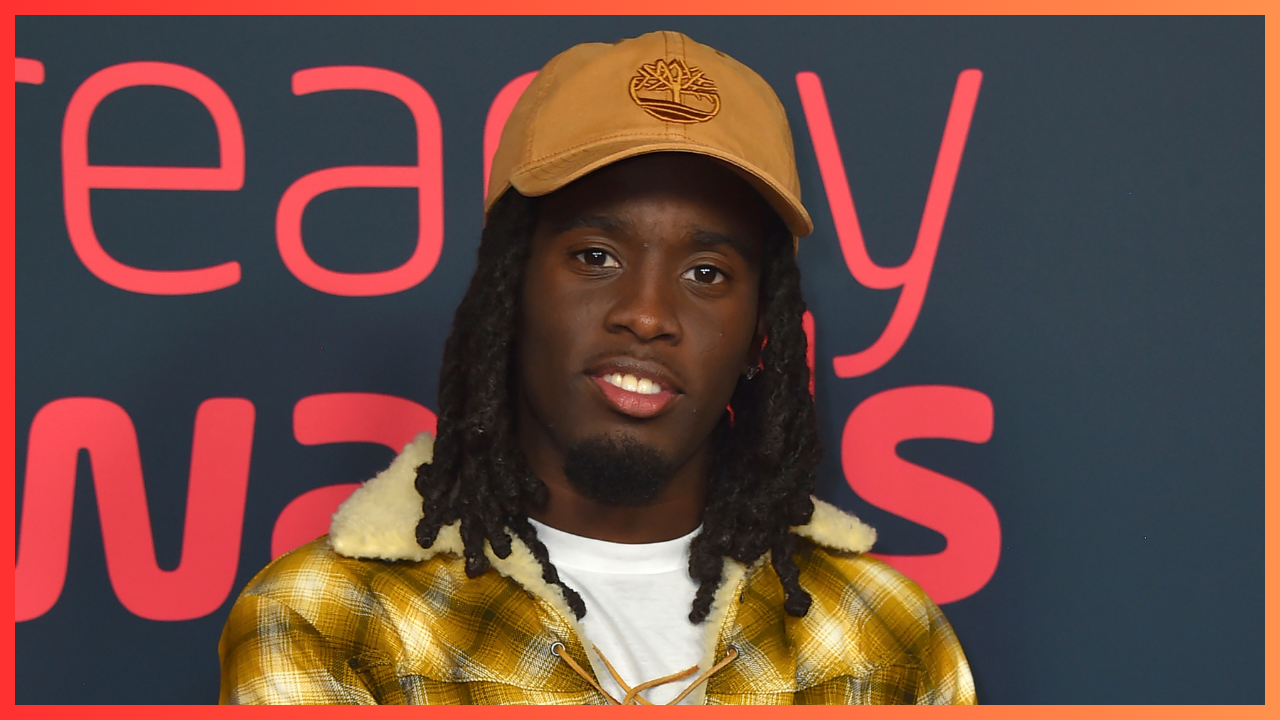
Audience Size: 8.1 | Notoriety: 7.6 | Cultural Impact: 7.9 | Wealth: 7.1 | Use of Influence: 7.0
Final Score: 37.7
Kai Cenat has become one of the most dominant and disruptive figures in live streaming and digital entertainment in 2025—not by stealing attention from legacy media, but by owning a media category that traditional outlets still struggle to measure properly. Through sheer scale, interactivity, and audience loyalty, Cenat’s presence has reshaped what success looks like in the modern attention economy.
At the core of his influence is his Twitch dominance. In 2025, Cenat was the most-watched Twitch streamer in the world, accumulating over 134.4 million hours watched, nearly double the viewership of the next closest streamer on the platform. That massive engagement reflects both his marathon content style and the depth of his fan connection—his audience doesn’t just click; it sticks, turning streaming into appointment media for millions.
His breakout media event of the year was “Mafiathon 3,” a month-long subathon livestream that became the largest subscriber-driven broadcast in Twitch history. During that event, Cenat achieved a milestone no other streamer had before: surpassing 1 million active paid subscribers on the platform. That achievement isn’t just symbolic—it translates into sustained financial leverage, massive sponsorship appeal, and a demonstration that streaming personalities can build creator economies that rival traditional entertainment revenue models.
Cenat’s reach isn’t limited to numbers; he also broadened his media footprint through cultural initiatives like Streamer University—a real-world event for aspiring creators that drew millions of web visits and widespread buzz when it was announced. Projects like this signal an ambition to move beyond performance into infrastructure building within creator culture.
This year also reinforced Cenat’s crossover influence. Beyond Twitch, his presence on YouTube and social platforms helped sustain his position on lists like TIME’s Top 100 Creators, underscoring that his audience is not niche but generational in scale. His cultural imprint has also been visible in viral language trends and shared internet slang—continuing a pattern of influence that predates 2025 but culminated in mainstream recognition this year.
Cenat’s personal life—and how it is woven into his public brand—also became part of the year’s media conversation. His highly publicized breakup with influencer Gabrielle “Gigi” Alayah generated significant social buzz and commentary across platforms, illustrating how deeply his persona intersects with fan attention and online rumor economies.
The media impact of Kai Cenat in 2025 highlights a broader truth: influence no longer flows downward from institutions into the public. It now flows laterally from platforms where audiences participate—not just consume. Cenat’s career this year shows that a creator who masters that dynamic can rival sports, film, television, and politics for cultural attention, shaping narratives not by editorial authority but by engagement gravity.
In the evolving hierarchy of media power, Kai Cenat isn’t just a streamer—he’s one of the few individuals today capable of setting agenda and audience behavior at scale.
45. Shawn Ryan

Audience Size: 7.5 | Notoriety: 7.6 | Cultural Impact: 7.9 | Wealth: 7.2 | Use of Influence: 7.7
Final Score: 37.9
Former Navy SEAL and CIA contractor turned podcasting juggernaut, Shawn Ryan solidified his place as one of the most influential figures in independent media in 2025. Through The Shawn Ryan Show, Ryan has become a central node in the ecosystem of long-form, trust-based media—particularly for audiences disillusioned with legacy journalism and hungry for unfiltered conversations about power, war, intelligence, and corruption.
What separates Ryan from the crowded field of podcasters is not just access, but credibility. His background in special operations and intelligence gives him a level of institutional fluency few interviewers possess, allowing guests to speak at a depth—and with a candor—rarely seen outside classified settings. In 2025, that credibility translated into some of the year’s most impactful and widely discussed interviews.
Throughout the year, Ryan hosted a string of high-profile guests spanning intelligence officials, military veterans, whistleblowers, journalists, and political figures, many of whom used his platform to challenge official narratives on foreign policy, surveillance, the Ukraine and Israel conflicts, and the inner workings of the national security state. Several of these episodes generated viral clips that spread far beyond YouTube and Rumble, dominating X discourse and being replayed—often critically—by mainstream outlets that once ignored his show entirely.
In an ironic reversal of roles, The Shawn Ryan Show increasingly became a primary source for stories that establishment media was forced to react to after the fact. Legacy journalists frequently found themselves responding to claims or revelations that first reached mass audiences through Ryan’s platform, underscoring the ongoing shift in agenda-setting power from institutions to individuals.
Ryan’s distribution strategy also evolved in 2025. While maintaining a strong presence on YouTube, he continued to diversify across alternative platforms, insulating his operation from algorithmic suppression and reinforcing a direct-to-audience model built on trust rather than reach alone. His show’s growth this year was steady but durable—less dependent on trends, more on loyalty—cementing one of the most engaged audiences in the podcasting space.
Perhaps most importantly, Shawn Ryan helped normalize a style of media that treats viewers as adults: long-form, minimally edited, adversarial when necessary, and uninterested in narrative hand-holding. In a year when confidence in traditional journalism continued to erode, Ryan exemplified how subject-matter expertise combined with platform independence can outperform billion-dollar newsrooms.
By the end of 2025, Shawn Ryan was no longer just a successful podcaster—he was a case study in how credibility itself has become the most valuable currency in modern media.
44. iShowSpeed
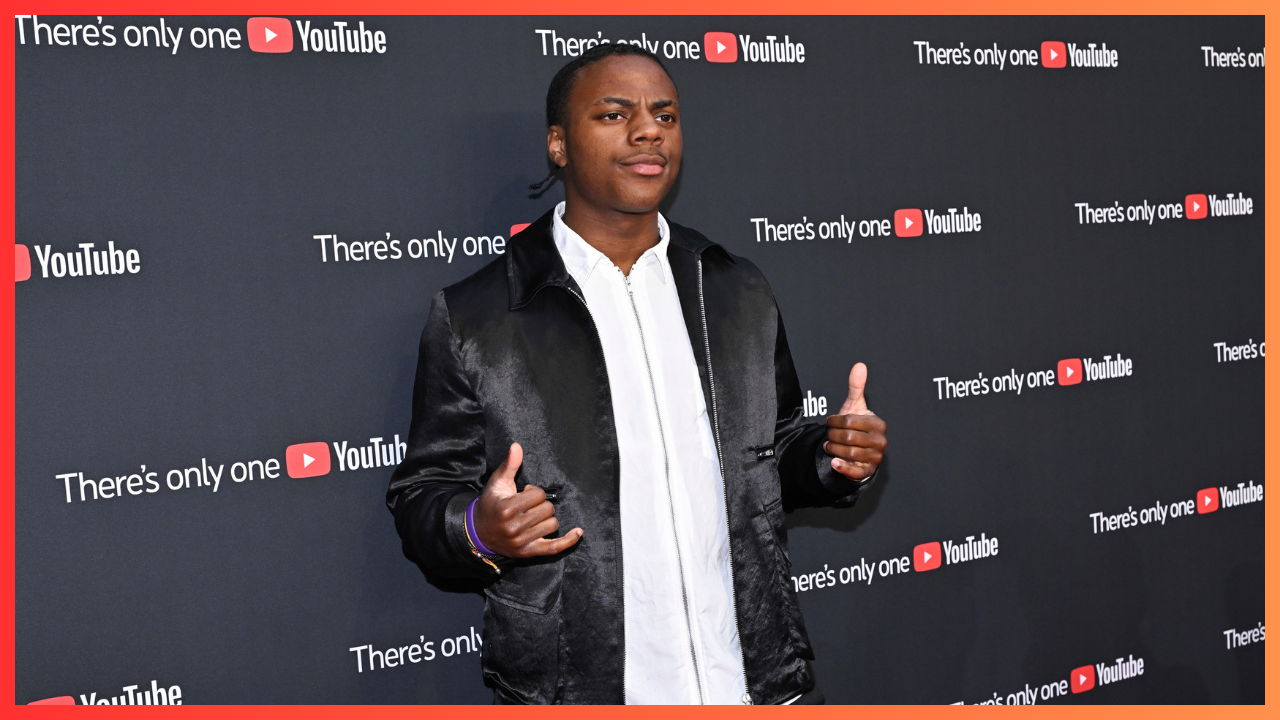
Audience Size: 8.5 | Notoriety: 7.5 | Cultural Impact: 8.0 | Wealth: 7.0 | Use of Influence: 7.0
Final Score: 38.0
iShowSpeed’s media power in 2025 came from his ability to turn raw reaction into global spectacle. What began as chaotic gaming streams years ago has matured—without being sanitized—into one of the most effective attention engines on the internet. Speed didn’t refine his style; he scaled it.
By 2025, iShowSpeed had cemented himself as one of the largest individual streamers in the world. His YouTube channel surpassed 30 million subscribers, with total channel views climbing well into the billions. Individual uploads and livestream VODs routinely pulled millions of views within hours, while short-form clips of his reactions—screaming, celebrating, panicking, or improvising—dominated TikTok, Instagram Reels, and X. His content ecosystem is designed for fragmentation: one live moment can generate thousands of derivative clips across platforms.
Speed’s platform is built around live unpredictability. Unlike polished creators or podcast hosts, he thrives in the moment—reacting to games, music, soccer matches, and real-world challenges with no visible filter. That volatility is the product. Audiences tune in not to hear an opinion, but to witness an emotional event unfold in real time.
In 2025, Speed continued expanding beyond gaming into sports-adjacent and global culture content, particularly soccer. His obsession with the sport—and with Cristiano Ronaldo specifically—has become a defining narrative thread, earning him crossover relevance with international audiences that most American creators never reach. Appearances around major matches and viral interactions with players helped push his reach further into Europe, Latin America, and Africa.
What makes iShowSpeed especially important from a media-impact standpoint is that he represents the anti-institutional end state of youth media. He does not rely on scripting, expertise, or ideological framing. His influence is driven by parasocial intensity: fans feel like they are hanging out with him, not watching him. That dynamic produces loyalty that traditional media—and even most influencers—cannot replicate.
Brands and platforms have learned to treat Speed carefully. His upside is massive, but so is the risk. Yet in 2025, that very risk became part of his value. In a media environment flooded with safe, optimized content, Speed’s unpredictability reads as authenticity, especially to younger audiences who distrust polish.
Critics argue that his style rewards impulsivity and spectacle over substance. Supporters counter that substance is no longer the point. From a media perspective, they’re right: iShowSpeed’s success is not about message—it’s about presence. He commands attention simply by being live.
In 2025, iShowSpeed didn’t reshape media by changing formats. He reshaped it by reminding platforms what live, unscripted attention looks like when it’s no longer mediated by adults, editors, or institutions—and by proving just how big that audience really is.
43. Pat McAfee
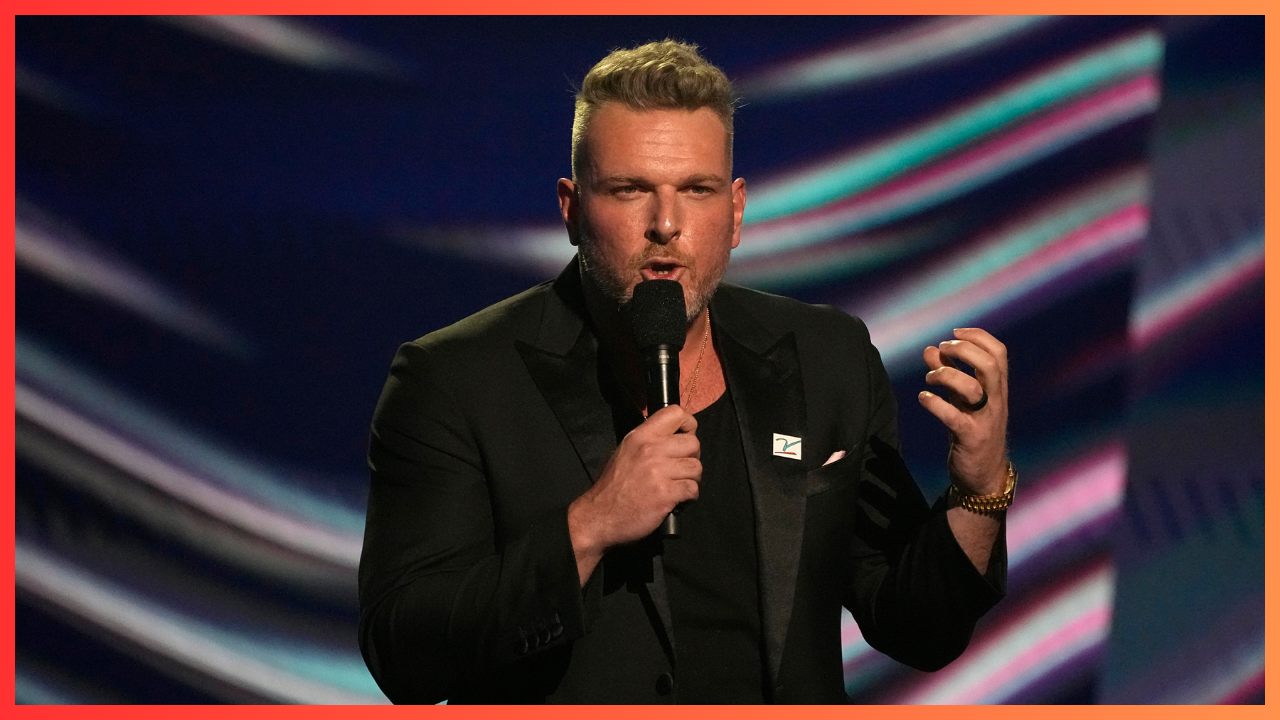
Audience Size: 7.8 | Notoriety: 8.1 | Cultural Impact: 7.9 | Wealth: 7.2 | Use of Influence: 7.2
Final Score: 38.2
Pat McAfee has become one of the most effective cultural translators in sports media by refusing to treat sports as a silo. What began as a high-energy, locker-room–fluent alternative to traditional sports commentary has evolved into a platform that regularly bleeds into politics, pop culture, and internet discourse—often without trying to.
The Pat McAfee Show continues to function as one of ESPN’s most valuable properties, not because it conforms to network standards, but because it ignores them. McAfee’s show thrives on looseness, personality, and unpredictability—qualities that make it endlessly clipable and perfectly suited for social distribution. Segments from the show routinely rack up millions of views across YouTube, X, and TikTok, reaching audiences far beyond ESPN’s linear footprint.
McAfee’s most significant contribution to modern media is his normalization of athlete-first storytelling. He creates an environment where players, coaches, and executives speak freely, often revealing perspectives that would never survive a traditional media filter. Those moments regularly become the dominant narratives of sports news cycles, forcing leagues, teams, and networks to respond after the fact.
At the same time, McAfee has shown a rare ability to coexist with institutional power without being absorbed by it. While critics predicted his ESPN partnership would blunt his edge, McAfee has largely retained control over tone, format, and voice. That autonomy has allowed him to benefit from ESPN’s reach while maintaining the credibility that made his show successful in the first place.
Beyond sports, McAfee’s platform increasingly functions as a cultural touchpoint. Conversations that begin with football often drift into broader discussions about media narratives, public pressure, and authenticity—topics that resonate with audiences who are otherwise disengaged from traditional sports coverage.
From an industry perspective, McAfee represents the successful merger of creator culture and corporate distribution. Many networks have attempted similar integrations and failed. McAfee succeeded because his audience followed him—not the logo.
Pat McAfee’s influence lies in his ability to make institutional media feel unscripted again. And in a media environment where authenticity has become the scarcest commodity, that may be his greatest asset.\
42. Bob Iger
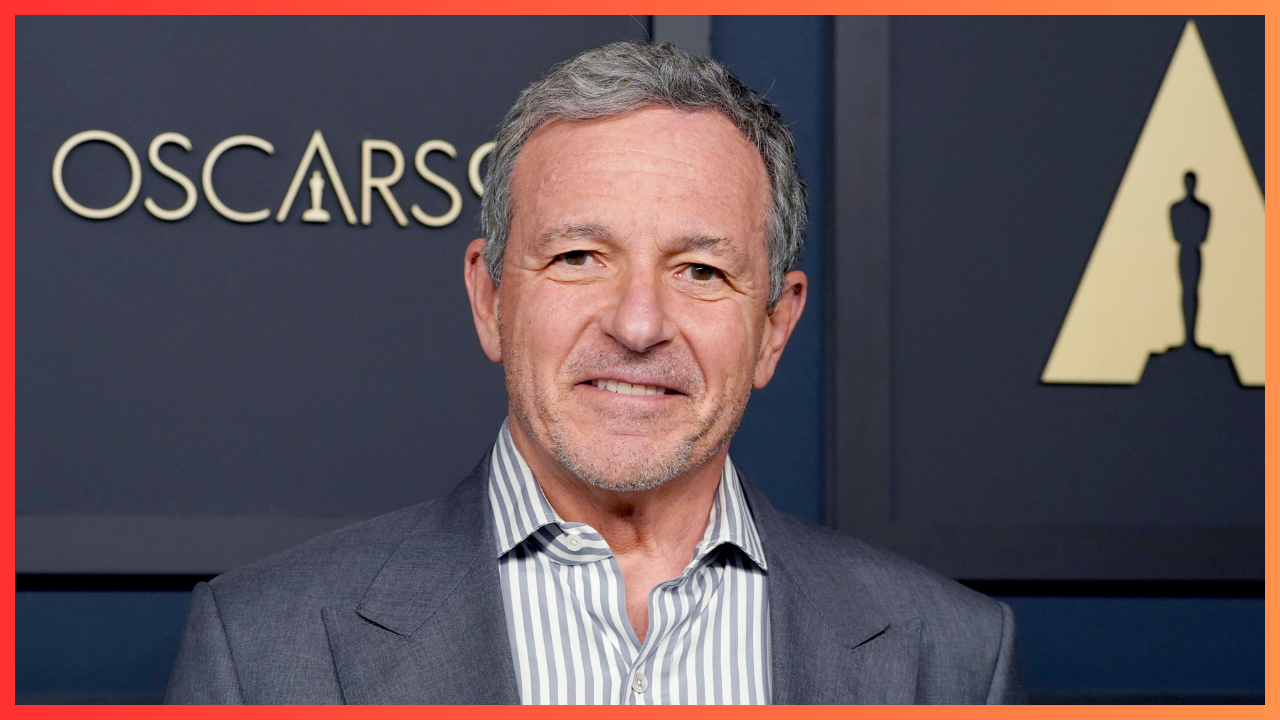
Audience Size: 6.5 | Notoriety: 7.7 | Cultural Impact: 8.5 | Wealth: 8.6 | Use of Influence: 7.0
Final Score: 38.3
Bob Iger’s influence in 2025 was less about creative triumph and more about corporate triage. As CEO of Disney, Iger spent the year stabilizing an entertainment empire that had overextended itself culturally, financially, and strategically—while signaling to markets that the era of unchecked ideological experimentation was coming to an end.
The most consequential development under Iger’s watch was Disney’s continued pivot away from growth-at-all-costs streaming toward profitability and discipline. Cost controls, restructuring, and content recalibration helped Disney’s streaming division move closer to sustainable margins, reinforcing Iger’s core thesis: scale is meaningless without control. Wall Street rewarded that posture, treating Iger less as a creative executive and more as a corrective force.
In media terms, Iger’s real impact came through tone-setting. Public comments emphasizing entertainment over messaging were widely interpreted as a quiet rebuke of the cultural excesses that had alienated audiences and damaged Disney’s brand. While critics argued the shift was cosmetic, the change in rhetoric alone had measurable effects—cooling activist pressure while reassuring advertisers and investors who had grown wary of volatility.
Disney’s theatrical slate and IP strategy also reflected a recalibration. Rather than betting on untested ideological narratives, the company leaned harder into proven franchises and global-friendly properties, prioritizing mass appeal over cultural signaling. That approach did not silence critics on either side, but it helped restore predictability—an increasingly rare commodity in Hollywood.
Iger’s role as a media figure extended beyond Disney itself. His interviews, shareholder communications, and public posture were closely read across the industry, serving as a barometer for where legacy entertainment believes the cultural winds are blowing. In an ecosystem still struggling to reconcile audience demand with internal politics, Iger’s pragmatism stood out.
From an industry perspective, Bob Iger represents institutional survivalism. He is not shaping the future of media through innovation, but by pulling one of its largest players back from the brink. In a year defined by contraction and correction, that restraint mattered.
Iger’s influence in 2025 lay in his willingness to say—implicitly, if not always explicitly—that the entertainment business exists to entertain. For a company as central to global culture as Disney, even that modest recalibration carried outsized media consequences.
41. Charlamagne tha God
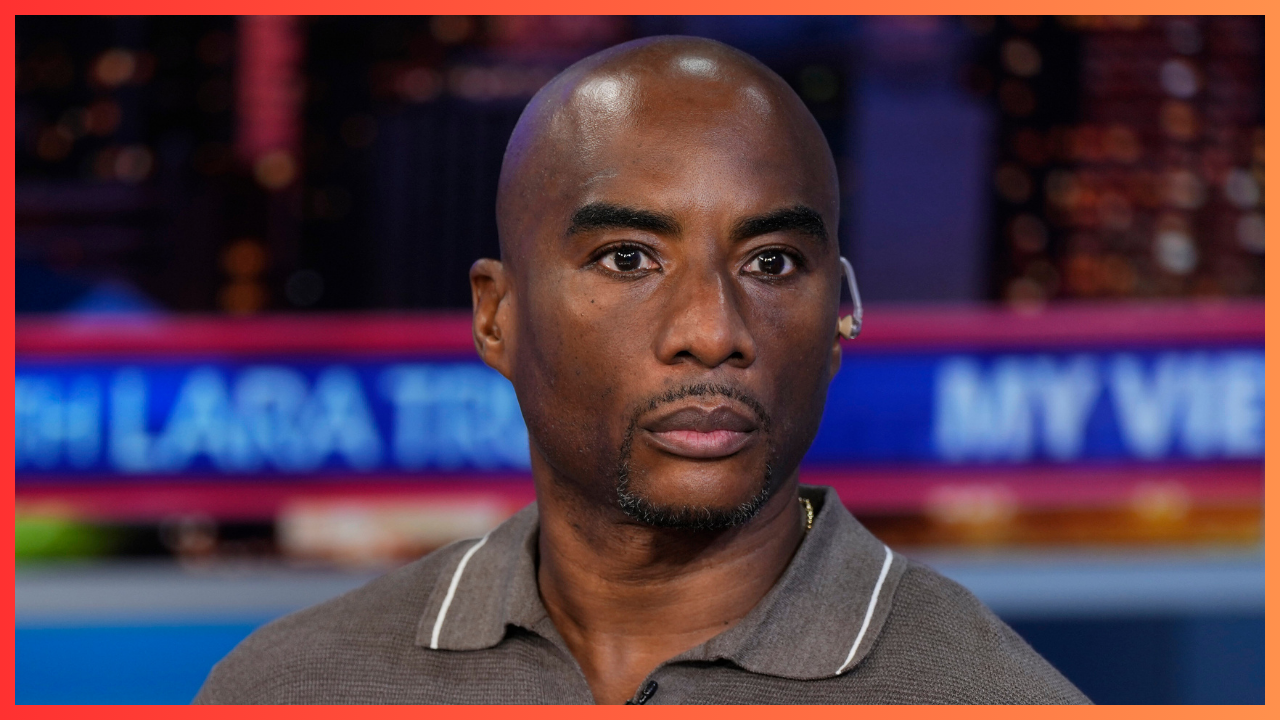
Audience Size: 7.5 | Notoriety: 7.4 | Cultural Impact: 8.5 | Wealth: 7.2 | Use of Influence: 7.8
Final Score: 38.4
Charlamagne tha God continues to occupy a rare and influential position in American media: a cultural gatekeeper who operates comfortably across radio, podcasts, television, and digital discourse—while remaining deeply embedded in hip-hop culture. Unlike many figures who age out of relevance as formats shift, Charlamagne has evolved with the ecosystem, maintaining influence not through reinvention, but through format fluency.
As a co-host of The Breakfast Club, Charlamagne remains a central node in urban and youth-oriented media. The show’s daily reach—across radio syndication, YouTube clips, and social platforms—ensures that its conversations routinely shape the tone of broader cultural debates. Even as traditional radio’s dominance fades, The Breakfast Club continues to function as a launchpad for narratives that later echo through podcasts, blogs, and cable commentary.
Charlamagne’s real leverage, however, extends beyond the morning show. His podcast ventures, including The Brilliant Idiots with Andrew Schulz and projects under his Black Effect Podcast Network, position him as both talent and infrastructure. Black Effect has become one of the most important platforms for Black voices in podcasting, not by chasing viral outrage, but by offering consistency, ownership pathways, and cultural credibility in an industry still consolidating power.
Throughout the year, Charlamagne has remained a sharp—and often uncomfortable—critic of institutional politics, particularly within the Democratic Party. His willingness to publicly challenge progressive orthodoxy, media hypocrisy, and performative activism has earned him criticism from partisan operatives while reinforcing his authenticity with audiences who are skeptical of scripted messaging. He is not a conservative voice, but he is one of the most effective internal critics of the modern left.
What distinguishes Charlamagne from many commentators is his refusal to collapse culture into politics. Conversations on his platforms frequently move fluidly between mental health, race, economics, entertainment, and power—reflecting how audiences actually experience public life rather than how cable news categorizes it. That range has kept him relevant to listeners who reject ideological purity tests but still care deeply about social issues.
From an industry standpoint, Charlamagne represents the maturation of culture-first media. He does not chase headlines; he creates environments where headlines emerge organically. Artists, politicians, and public figures understand that appearing on his platforms is not about optics alone—it’s about credibility with an audience that is hard to reach and harder to fool.
Charlamagne tha God’s influence lies in translation. He interprets institutions for culture and culture for institutions, often exposing the gaps between what is said publicly and what is believed privately. In a fragmented media landscape, that ability—to speak fluently across worlds without fully belonging to any one of them—remains one of the most powerful forms of media capital.
40. Bret Baier
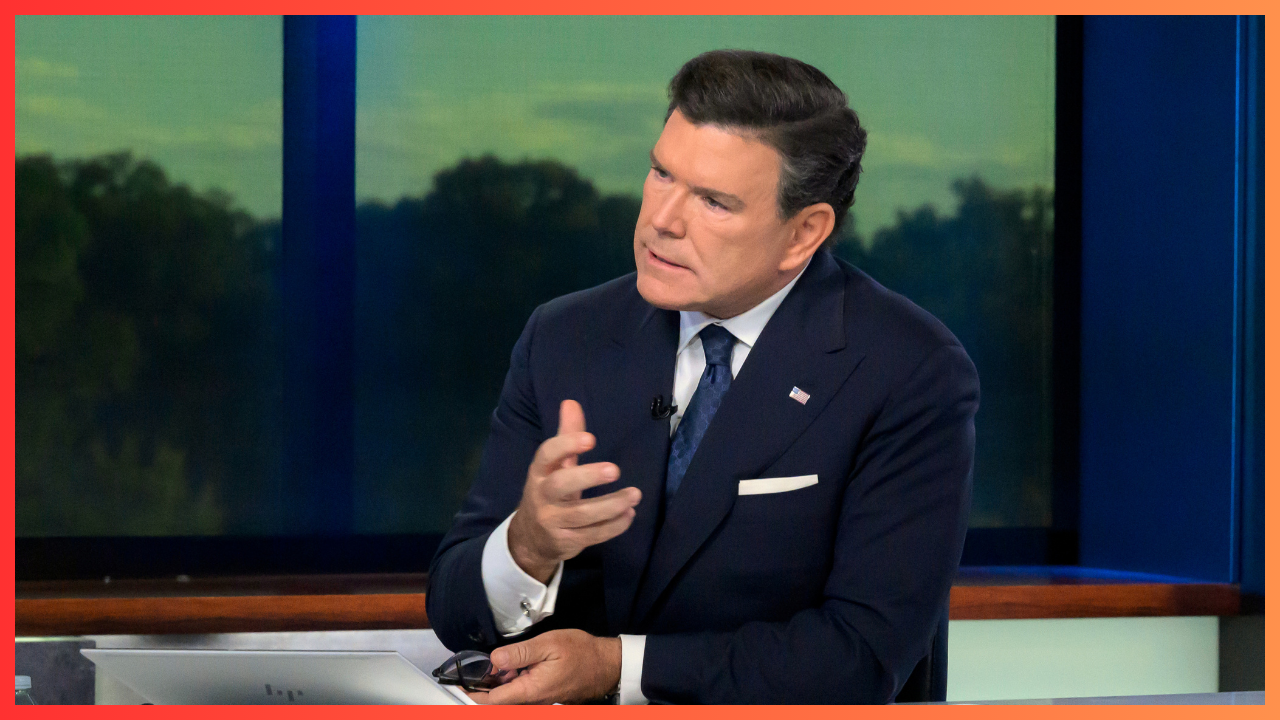
Audience Size: 8.0 | Notoriety: 7.9 | Cultural Impact: 7.9 | Wealth: 6.8 | Use of Influence: 7.9
Final Score: 38.5
In a media environment increasingly dominated by opinion, personality, and polarization, Bret Baier continued to occupy a shrinking but still powerful lane in 2025: the anchor audiences trust when the stakes are highest.
As Fox News’ chief political anchor, Baier remained the network’s steady hand during moments of institutional stress and national consequence. Election coverage, breaking geopolitical developments, and high-profile interviews once again positioned him as the face of Fox’s straight-news operation—an increasingly valuable role as viewers across the spectrum grow weary of overt ideological framing.
Baier’s interviews throughout the year reflected that positioning. He pressed elected officials and foreign leaders alike with a tone that was firm but controlled, often extracting more substance than flash. That approach continued to differentiate him from both cable firebrands and performative broadcast counterparts, reinforcing his reputation as one of the few figures still operating within the traditional norms of political journalism—without appearing detached from reality.
His role during major international developments further solidified that stature. Baier’s foreign reporting and interviews from conflict zones and diplomatic flashpoints were treated as marquee programming, generating clips and discussion across platforms well beyond Fox’s core audience. In an era when many anchors rarely leave the studio, Baier’s physical presence on the ground carried symbolic weight.
At the same time, Baier benefited from Fox News’ broader dominance. With the network maintaining its position at the top of cable ratings, his broadcasts continued to reach millions nightly—proof that while alternative media has reshaped the ecosystem, legacy reach still matters when paired with credibility.
What makes Baier notable in 2025 is not reinvention, but durability. While others chased virality or ideological loyalty, Baier stayed rooted in a model that emphasizes preparation, access, and restraint. That steadiness has become his brand—and in a chaotic media environment, a competitive advantage.
39. Daniel Ek
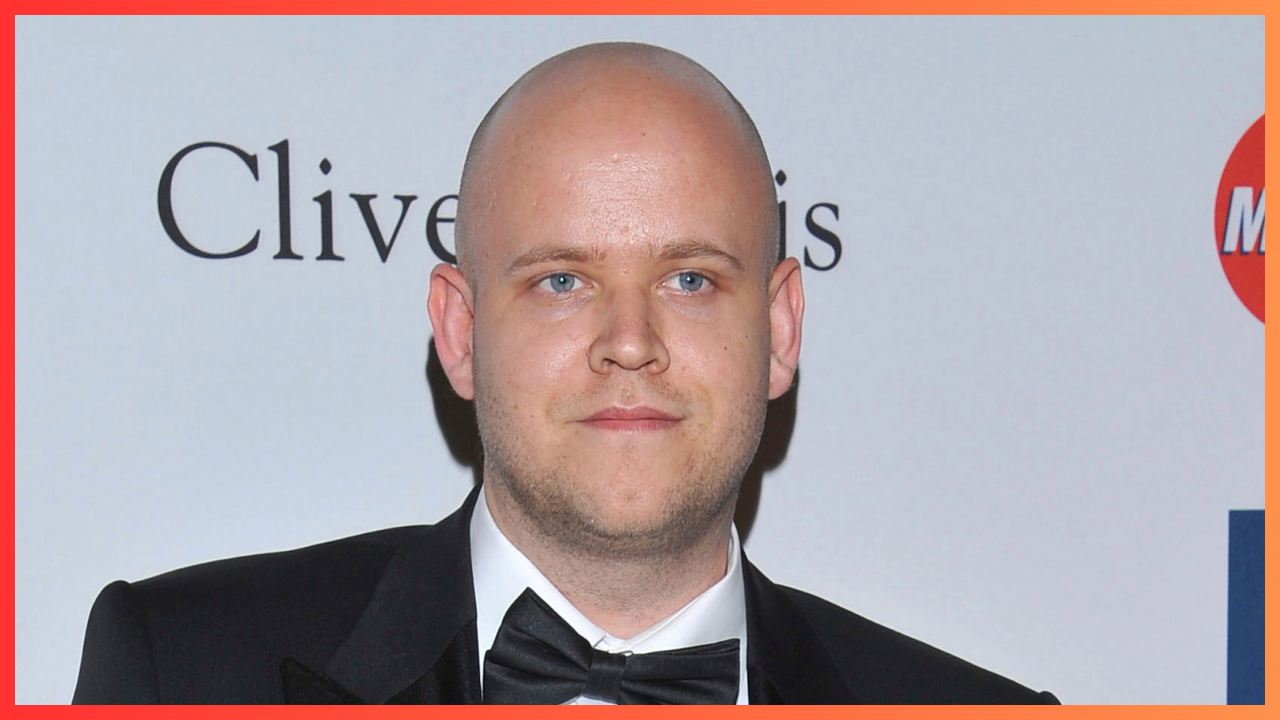
Audience Size: 7.1 | Notoriety: 7.0 | Cultural Impact: 7.5 | Wealth: 9.4 | Use of Influence: 7.6
Final Score: 38.6
Daniel Ek sits at the center of one of the most consequential shifts in modern media: the transformation of audio from a supplemental format into a primary distribution layer. As CEO and co-founder of Spotify, Ek has continued to exert outsized influence not by shaping narratives directly, but by shaping what gets surfaced, monetized, and sustained in the creator economy.
Spotify remains the dominant global audio platform, and Ek’s strategic choices have increasingly emphasized efficiency over experimentation. The company’s pullback from high-cost, prestige podcast deals in favor of scalable creator monetization tools signaled a clear recalibration—one that reshaped incentives across the entire podcasting industry. For creators, the message was unmistakable: longevity and audience ownership matter more than upfront checks.
That shift has had ripple effects far beyond Spotify itself. Independent podcasters, networks, and advertisers adjusted strategies in response, prioritizing sustainable growth models over exclusivity. In practice, Ek helped move podcasting out of its speculative phase and into a more mature, metrics-driven market—less glamorous, but more durable.
Spotify’s continued dominance in music streaming has also reinforced Ek’s structural power over cultural discovery. Algorithmic playlists, release strategies, and platform-native promotion increasingly determine which artists break through and which do not. While critics argue this centralization disadvantages smaller creators, the reality is that Spotify remains the primary gateway through which global audiences encounter new music.
Ek’s role in media is often understated because it lacks spectacle. He does not host shows, break news, or go viral. Yet his decisions shape the livelihood of millions of creators and the daily consumption habits of hundreds of millions of users. Few individuals have more influence over what people listen to on a given day—and fewer still operate with such minimal public visibility.
From an industry perspective, Daniel Ek represents the triumph of infrastructure over personality. While the media conversation often fixates on stars and controversies, Ek’s power lies in quietly determining the economic rules under which those stars operate.
Spotify’s evolution under his leadership has reinforced a defining truth of modern media: control the pipes, and you control the culture flowing through them. And in the audio economy, Daniel Ek still controls the largest pipe of all.
38. Greg Gutfeld
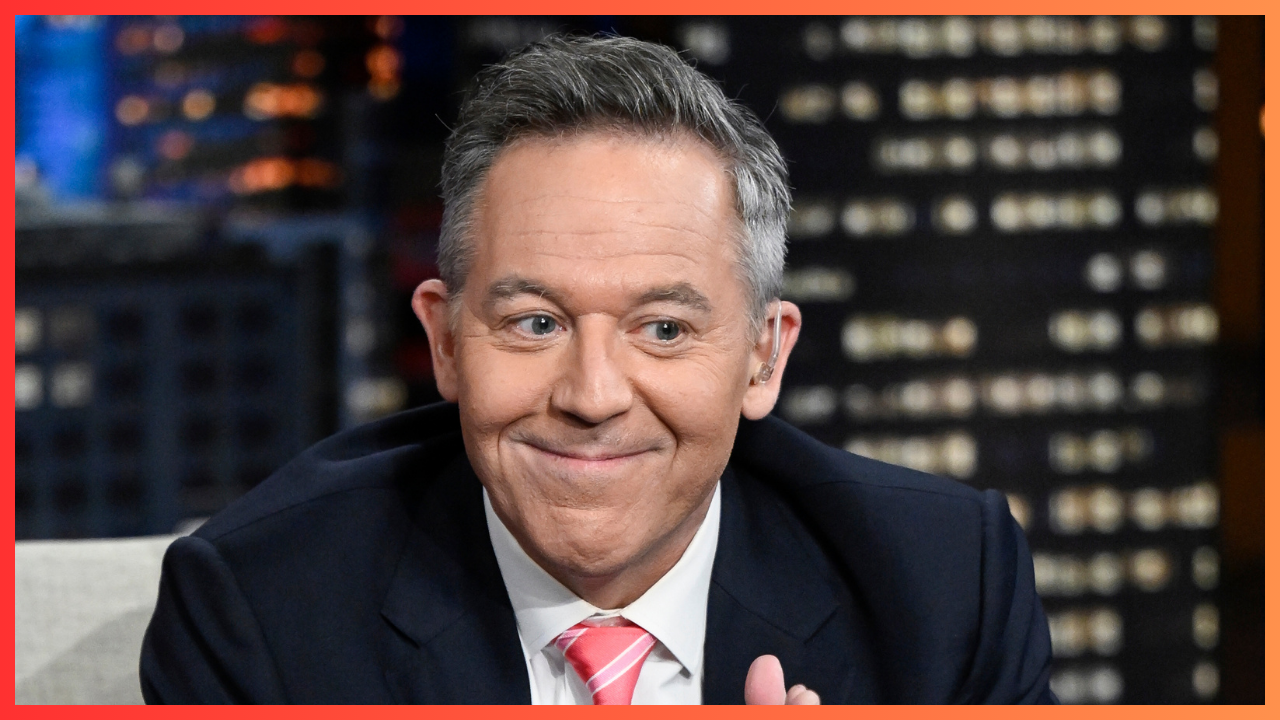
Audience Size: 8.2 | Notoriety: 7.8 | Cultural Impact: 7.5 | Wealth: 7.2 | Use of Influence: 8.0
Final Score: 38.7
Greg Gutfeld’s influence in 2025 came from an increasingly rare position in modern media: he beat the system from inside it.
While late-night television elsewhere continued its long decline—aging audiences, shrinking relevance, and diminishing cultural impact—Gutfeld! remained the one format that consistently worked. Not as prestige comedy. Not as high-art satire. But as a nightly, repeatable, personality-driven engine that blended humor, politics, and provocation in a way audiences actually showed up for.
Throughout 2025, Gutfeld! continued to outperform every other late-night show in total viewers, a feat that has quietly rewritten assumptions about what late-night is supposed to be. Rather than chasing youth culture or viral clips, Gutfeld leaned into tone over trend—short monologues, a rotating panel, and jokes that often doubled as political commentary. The result was a show that felt less like a talk show and more like a nightly hangout for a politically disengaged but culturally aware audience.
What made Gutfeld especially effective this year was his positioning. Unlike prime-time opinion hosts who are expected to carry ideological water, Gutfeld operated with plausible irreverence. He mocked the left, needled the right when convenient, and framed his commentary through comedy rather than outrage. That posture allowed him to land cultural punches without triggering the same fatigue audiences increasingly associate with cable news.
His role on The Five further amplified that reach. With the panel show continuing as the most-watched program in cable news, Gutfeld benefited from constant cross-pollination between formats—news audiences drifting into comedy, comedy viewers absorbing political framing almost by osmosis. Few figures straddle those lanes as effectively.
From a media-industry perspective, Gutfeld represents a counterintuitive lesson: late-night didn’t fail because audiences hate humor or politics—it failed because it became predictable. By refusing the consensus voice of his peers and embracing a looser, less sanctimonious tone, Gutfeld carved out space that others abandoned.
Critics still dismiss him. Awards still ignore him. But in 2025, none of that mattered. In a year defined by fragmentation and distrust, Greg Gutfeld proved that consistency, personality, and a willingness to offend can still command mass attention—even within a legacy network.
37. Steven Crowder
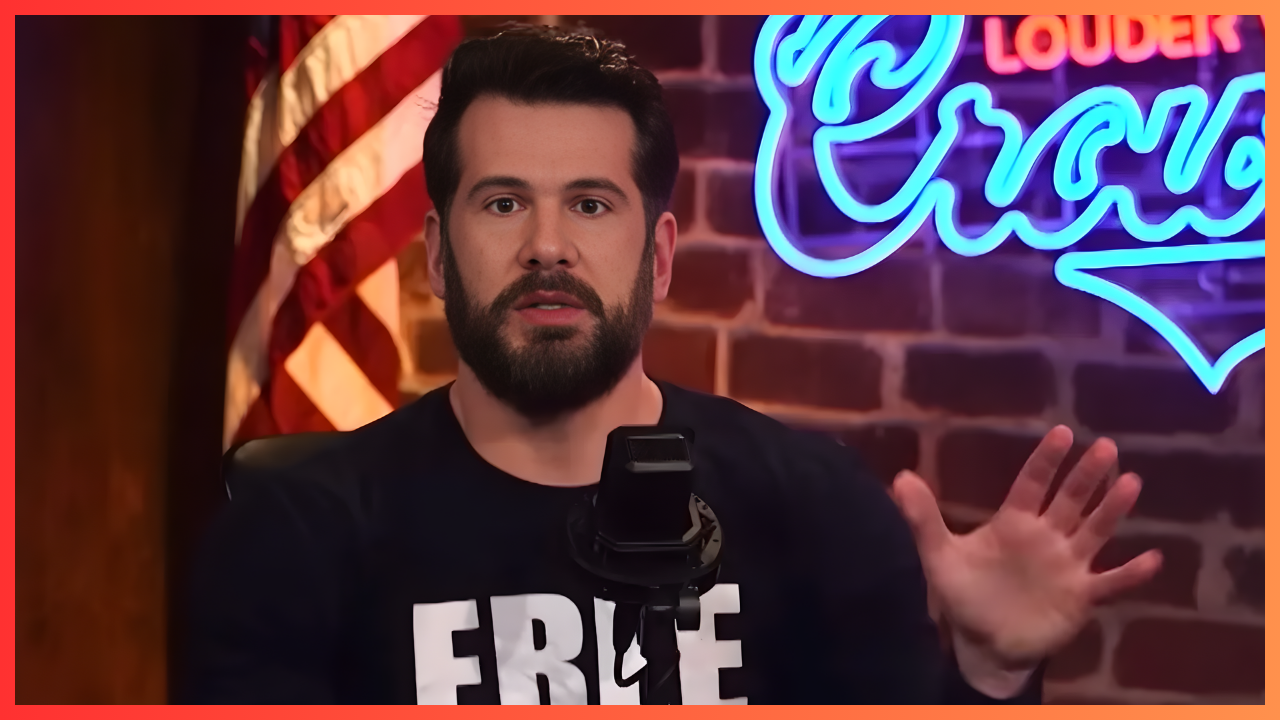
Audience Size: 7.9 | Notoriety: 7.5 | Cultural Impact: 8.2 | Wealth: 7.2 | Use of Influence: 8.0
Final Score: 38.8
While much of the conservative media ecosystem fractured and realigned following the death of Charlie Kirk, Steven Crowder emerged as one of the figures most willing to occupy the vacuum left behind—not by softening his edges, but by sharpening them.
The most visible symbol of that shift was the relaunch of Change My Mind, Crowder’s signature campus-debate series that had once defined his rise. Revived in the aftermath of Kirk’s killing, the series returned with a noticeably harder edge and a renewed sense of urgency. College campuses—already tense environments—once again became viral stages, with clips circulating across X, YouTube, and short-form platforms at massive scale. In an era when fewer creators are willing to confront hostile audiences face-to-face, Crowder leaned fully into the confrontation.
The timing mattered. With Turning Point’s future uncertain and campus activism in flux, Change My Mind reasserted a format that had largely disappeared from mainstream political media: unfiltered, unscripted ideological collision. Whether praised as courageous or condemned as provocative, the series reestablished Crowder as a central figure in youth-facing conservative media.
Beyond campus content, Louder with Crowder continued to perform as a reliable engine of daily engagement. Crowder’s long-form shows, monologues, and reaction segments consistently generated millions of views and clips, feeding an ecosystem that thrives on controversy, debate, and adversarial framing. His audience may not be universally admired, but it remains intensely loyal—and highly mobilized.
Crowder’s year was also shaped by his continued separation from institutional conservative media. Operating outside traditional networks and even outside many right-wing coalitions, he doubled down on independence, using his platform to criticize allies as readily as opponents. That posture kept him controversial, but it also insulated him from the reputational collapse of larger organizations.
From a media-impact perspective, Crowder represents a model that refuses reconciliation. He does not seek crossover appeal or mainstream rehabilitation. Instead, he builds relevance by forcing confrontation into the feed, betting that raw conflict still cuts through algorithmic noise better than polish or consensus.
In 2025, Steven Crowder didn’t attempt to unify a movement. He gave a certain segment of it a megaphone—at a moment when many felt theirs had been taken away.
36. Andrew Schulz
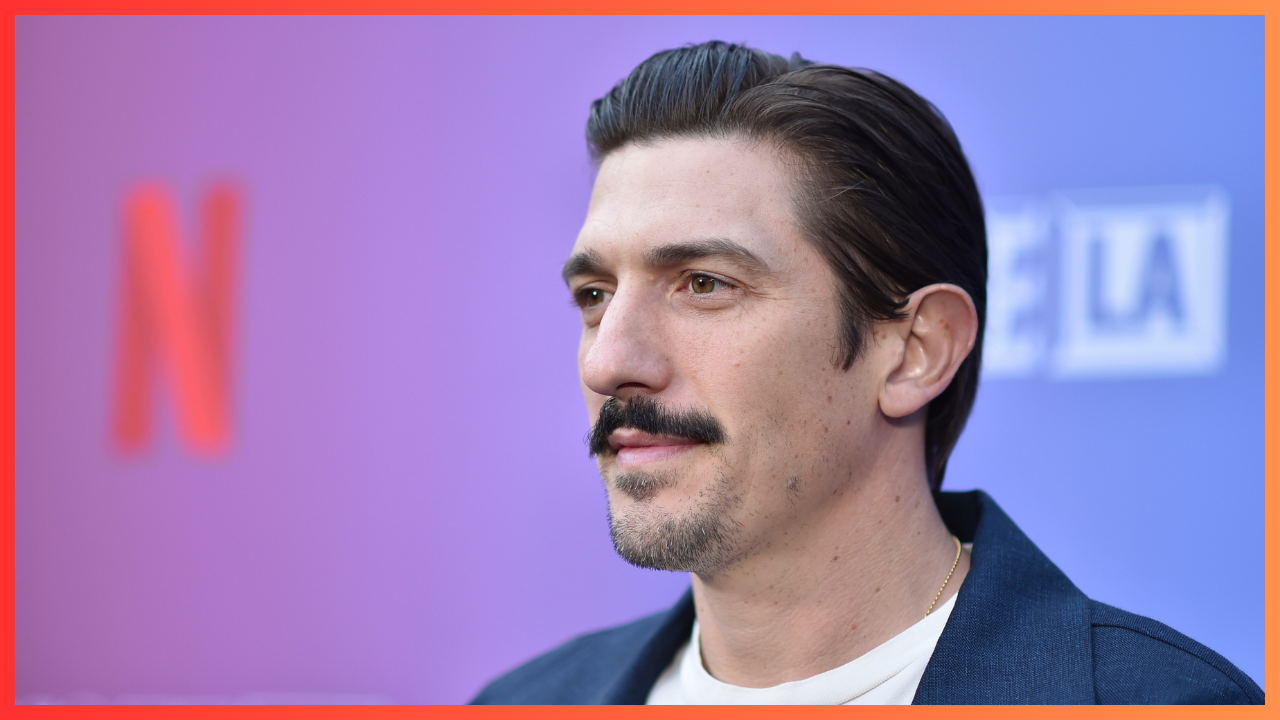
Audience Size: 7.8 | Notoriety: 8.1 | Cultural Impact: 7.9 | Wealth: 7.2 | Use of Influence: 7.9
Final Score: 38.9
By 2025, Andrew Schulz had fully established himself as one of the most effective cultural translators in modern media—someone capable of turning fringe political ideas into mainstream conversations simply by placing them in the right format. Through Flagrant and The Brilliant Idiots, Schulz continued to prove that comedy podcasts are no longer adjacent to political media, but central to it.
Schulz’s greatest strength has always been his ability to lower defenses. His irreverent, confrontational, but disarmingly curious interview style creates an environment where guests feel free to speak plainly—often more plainly than they do with journalists who are ostensibly on their side. In 2025, that dynamic produced one of the year’s most discussed political-media moments: his interview with New York Assemblyman Zohran Mamdani.
The Mamdani episode drew outsized attention not because of its production value or policy depth, but because of exposure. Mamdani, a Democratic Socialist best known for activist rhetoric and progressive orthodoxy, was introduced to an audience that would otherwise never encounter him outside of hostile cable-news clips. Schulz allowed Mamdani to speak at length, but not without pressure—challenging assumptions, mocking jargon, and forcing ideas to compete in a marketplace of common sense rather than applause lines.
Clips from the interview circulated widely on X, YouTube Shorts, and TikTok, generating millions of views across platforms and sparking debate well beyond Schulz’s core comedy audience. For critics on the right, the episode served as a warning about how alternative media can inadvertently launder radical ideas through humor and access. For supporters, it was proof that long-form, adversarial conversation is healthier than ideological quarantine.
Beyond that single episode, Schulz’s platforms continued to thrive in 2025. Flagrant remained one of the most-watched comedy podcasts in the world, regularly pulling massive view counts and maintaining cultural relevance in a crowded creator economy. Schulz’s willingness to engage political figures without adopting the posture of a pundit allowed him to maintain credibility with audiences who are deeply skeptical of both politicians and journalists.
What makes Schulz especially influential is that he does not present himself as a political authority—yet his shows routinely outperform explicitly political programs in shaping opinion. By treating ideology as something to be tested through ridicule and argument rather than reverence, Schulz creates a uniquely persuasive media environment, especially for younger male audiences.
In 2025, Andrew Schulz once again demonstrated that comedy podcasts are among the most powerful political media platforms in America—not because they instruct audiences what to think, but because they decide who gets heard. That gatekeeping function, exercised informally and without institutional oversight, has become one of the defining features of the modern media landscape.
35. Sam Altman
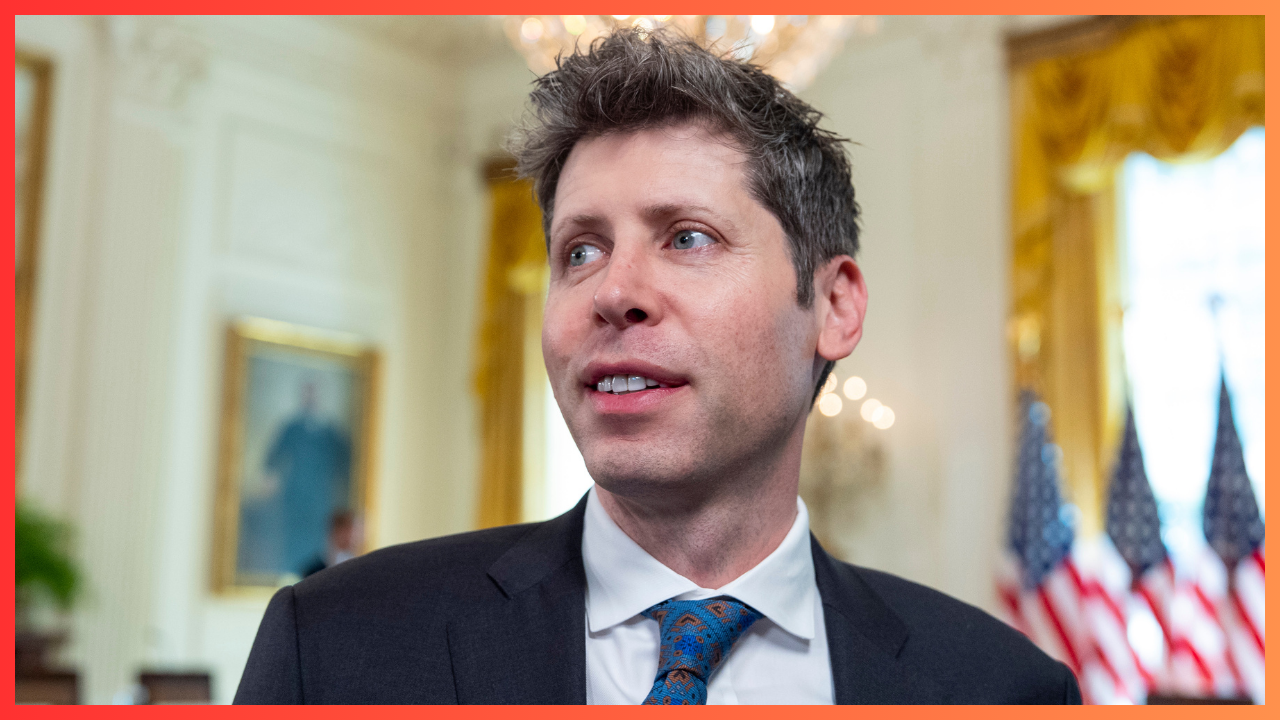
Audience Size: 7.5 | Notoriety: 8.0 | Cultural Impact: 7.2 | Wealth: 9.1 | Use of Influence: 7.2
Final Score: 39.0
Sam Altman’s media influence in 2025 was not about virality, personality, or platform ownership—it was about rewiring the production layer beneath media itself. More than any executive or creator, Altman shaped how content is written, summarized, translated, illustrated, and distributed, often without audiences fully realizing it was happening.
As CEO of OpenAI, Altman presided over the normalization of AI as a default media collaborator. By 2025, generative tools powered by OpenAI models were embedded across newsrooms, marketing teams, podcast workflows, classrooms, and social media pipelines. Media wasn’t just reporting on AI anymore—it was being made with it. Headlines, scripts, thumbnails, show notes, research memos, and even entire editorial calendars increasingly flowed through AI-assisted processes.
Altman himself used media strategically but sparingly. Rather than flooding the zone with appearances, he opted for high-leverage visibility: select interviews, keynote moments, and product announcements that reliably dominated coverage across tech, business, and mainstream outlets. When Altman spoke, it wasn’t treated as commentary—it was treated as signal, often triggering days of secondary analysis, reaction content, and debate.
The most significant shift, however, was psychological. Under Altman’s leadership, AI stopped being framed as a niche technology story and became a media infrastructure story. The question changed from “What is AI?” to “How much of what we’re consuming was touched by AI?” That reframing altered trust dynamics across journalism, education, and entertainment, forcing audiences to reckon with authorship, originality, and authenticity in real time.
Altman also became a central character in the ongoing tension between speed and safety. Media coverage repeatedly returned to his balancing act—deploying increasingly powerful tools while warning publicly about their risks. That paradox made him unusually compelling as a figure: both promoter and prophet, builder and cautionary voice. Few leaders managed to occupy both roles without collapsing credibility; Altman did.
From a media-economics standpoint, OpenAI’s tools accelerated the collapse of marginal cost in content creation. What once required teams now required prompts. That shift didn’t just empower individuals—it destabilized entire industries built on scarcity of labor and time. In 2025, the explosion of AI-assisted newsletters, solo podcasts, indie publications, and faceless content brands all traced back, in some way, to systems Altman helped popularize.
Critics argue that this flood of content risks flattening originality and overwhelming audiences. Supporters counter that it democratizes expression and breaks institutional monopolies. From a media-impact lens, both are true—and that tension is precisely why Altman sits at the center of the conversation.
Sam Altman didn’t become influential by mastering media formats. He became influential by making every format easier, faster, and cheaper to produce. And in a media landscape where the tools increasingly shape the message, that may be the most consequential form of influence there is.
34. Theo Von
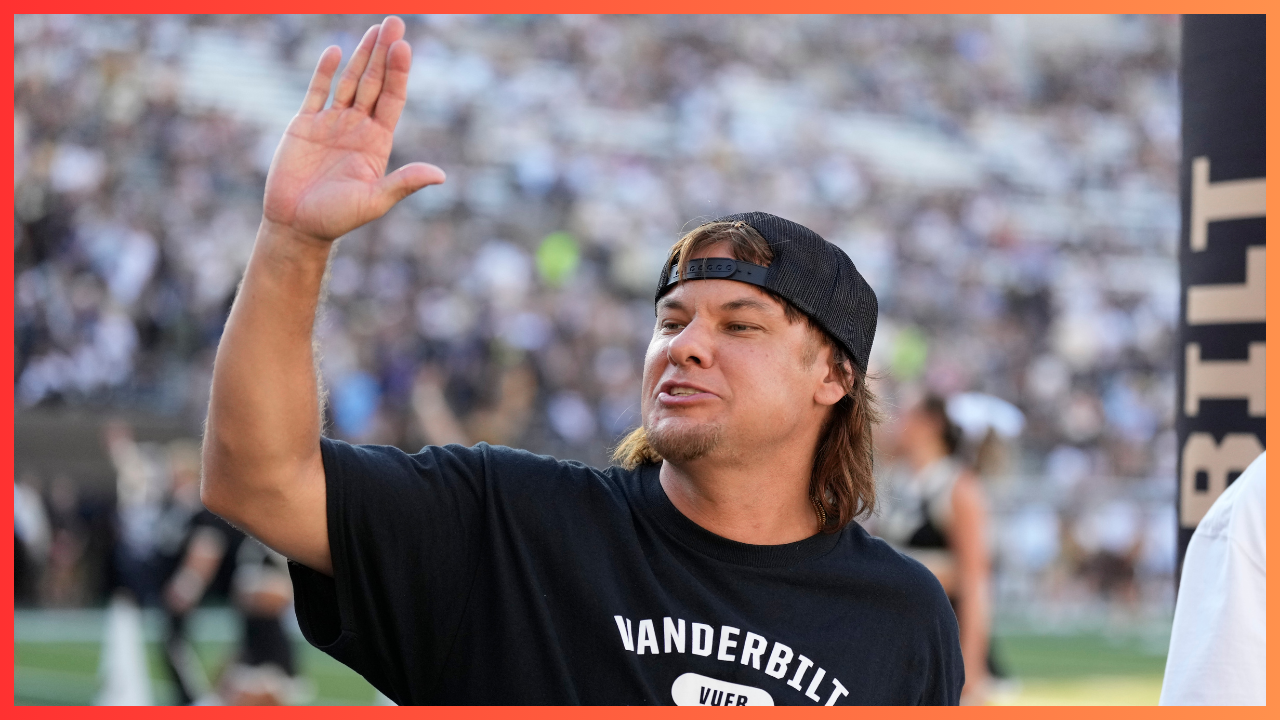
Audience Size: 8.5 | Notoriety: 8.5 | Cultural Impact: 7.7 | Wealth: 6.9 | Use of Influence: 7.5
Final Score: 39.1
Theo Von continues to occupy a uniquely powerful position in modern media: a comedian whose influence comes not from ideology or confrontation, but from disarming honesty. Through This Past Weekend, Von has built one of the most trusted long-form platforms on the internet—one where politicians, celebrities, and cultural figures willingly drop their guard in ways they rarely do elsewhere.
What separates Von from other comedy podcasters is emotional access. His interviews feel less like performances and more like conversations, often drifting into vulnerability, self-doubt, and reflection. That tone has proven especially effective with guests who are otherwise media-trained to the point of sterility. In many cases, Von has elicited moments that became the most humanizing—and therefore most widely shared—appearances of a guest’s media cycle.
The show’s reach remains formidable. Episodes regularly generate millions of views across YouTube and audio platforms, with clips spreading aggressively on short-form feeds where Von’s offbeat analogies and unexpected sincerity thrive. His content performs well not because it chases controversy, but because it feels unpredictable and real in a media environment that increasingly feels staged.
Theo Von’s guest list reflects his broad cultural pull. He moves effortlessly between comedians, athletes, musicians, and political figures, creating a rare overlap audience that few hosts can replicate. Politicians who appear on This Past Weekend are not seeking applause lines or policy debates—they are seeking relatability, and Von’s format reliably delivers it.
From an industry standpoint, Von represents the soft power of alternative media. He does not frame himself as a truth-teller or culture warrior, yet his platform often proves more persuasive than explicitly political shows. Viewers who might reject overt messaging are willing to listen when ideas are delivered through humor, curiosity, and self-deprecation.
Crucially, Von has resisted overprofessionalization. His show retains a loose, meandering quality that feels incompatible with institutional media—and that incompatibility is the point. In an attention economy dominated by optimization, Von’s success suggests that sincerity, when genuine, can still outperform strategy.
Theo Von’s influence lies in his ability to make media feel human again. And in a landscape saturated with performance and posturing, that may be one of the most valuable currencies of all.
33. Jesse Watters
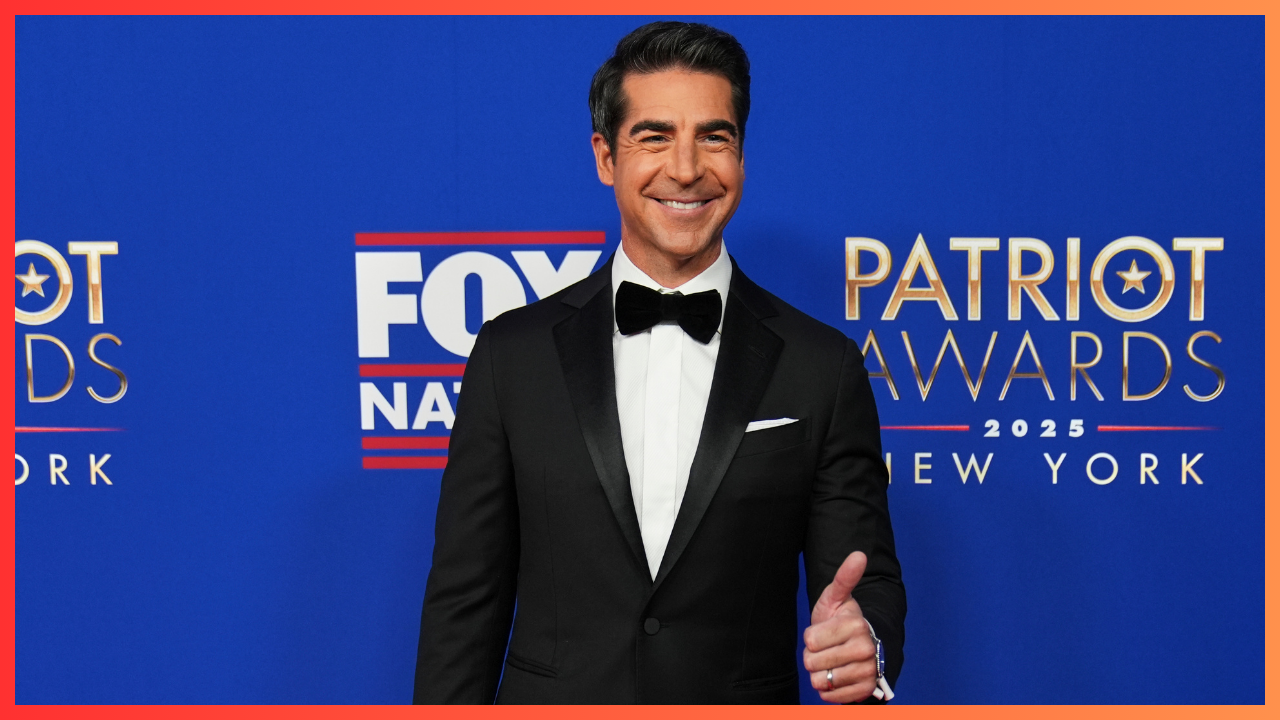
Audience Size: 8.6 | Notoriety: 8.1 | Cultural Impact: 7.5 | Wealth: 7.0 | Use of Influence: 8.0
Final Score: 39.2
Jesse Watters has quietly become one of the most powerful figures in American media by mastering a skill many of his peers never developed: translating cable news into viral culture. While Fox News remains his primary platform, Watters’ real influence now extends far beyond the 8 p.m. hour, living across clips, memes, and social feeds that reach audiences who may never sit down to watch cable television at all.
As host of Jesse Watters Primetime and a co-host of The Five, Watters occupies two of the most valuable seats in cable news. Together, those shows consistently rank among the most-watched programs on television, allowing Watters to shape nightly political narratives for millions of viewers. But ratings alone do not explain his influence. Watters has become Fox’s most effective cultural amplifier, capable of turning a single line, joke, or confrontation into a multi-day online discourse event.
His style—irreverent, provocative, and unapologetically combative—has drawn predictable outrage from critics, but that outrage has become part of the machine. Clips of Watters’ monologues routinely circulate on X, TikTok, and Instagram, often spreading far beyond Fox’s core audience through negative engagement. In practice, Watters has weaponized the feedback loop between cable news and social media more effectively than nearly any other network host.
Watters’ success also reflects a broader shift within Fox News itself. While earlier eras of the network relied on ideological authority figures, Watters represents a newer model: personality-first commentary, where humor and cultural intuition matter as much as political alignment. His background in man-on-the-street segments and viral ambush interviews trained him for a media environment where attention is fleeting and tone matters as much as substance.
Throughout the year, Watters continued to blur the line between news commentary and entertainment, a distinction that increasingly feels academic in modern media. Supporters see this as honesty about the format; critics see it as unserious. Either way, the result is undeniable reach. Watters’ ability to frame issues—particularly cultural and social ones—in ways that resonate with a broad, digitally fluent audience has made him one of Fox’s most valuable assets.
From an industry standpoint, Jesse Watters exemplifies why Fox News has weathered the collapse of cable better than its competitors. The network did not merely retain viewers; it evolved its talent to function in a hybrid cable-digital ecosystem. Watters is the clearest embodiment of that evolution.
Love him or hate him, Jesse Watters understands the modern media incentive structure better than most of his critics. And in an environment where influence flows to those who can command attention across formats, that understanding has made him one of the most consequential voices in television news.
32. Bill Ackman
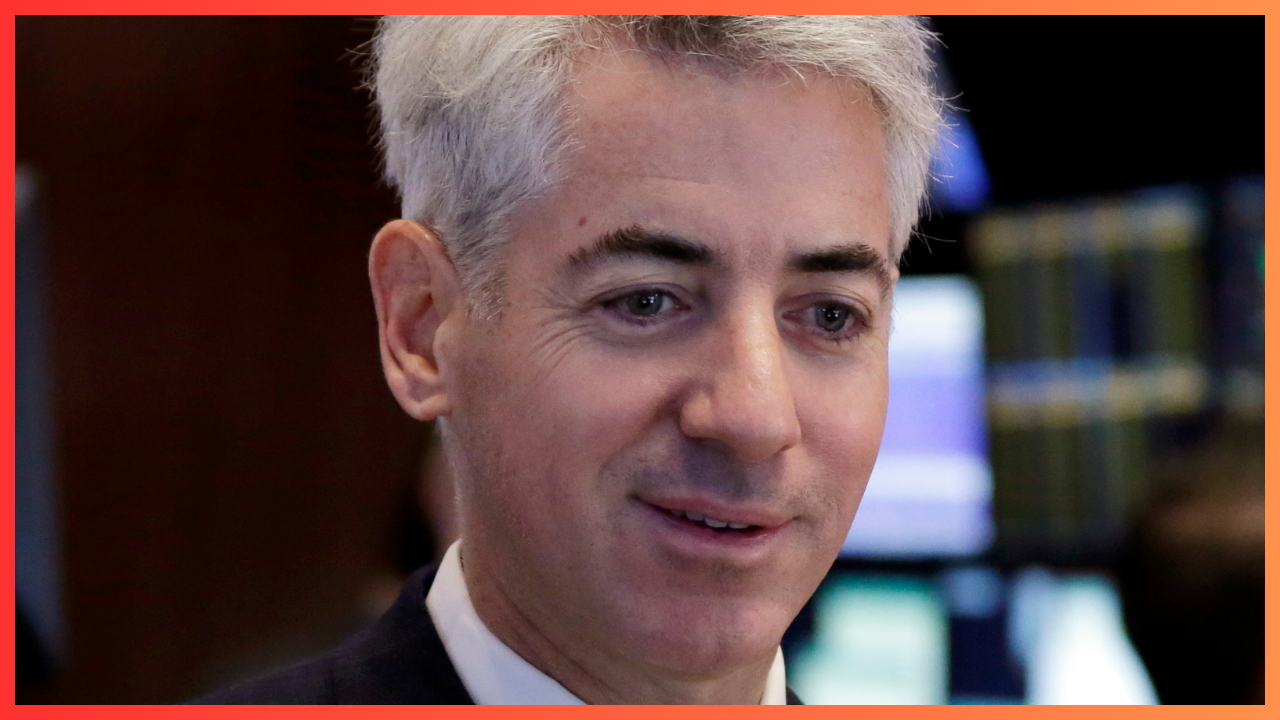
Audience Size: 7.0 | Notoriety: 7.5 | Cultural Impact: 7.7 | Wealth: 9.5 | Use of Influence: 7.6
Final Score: 39.3
In 2025, Bill Ackman completed a transition that had been building for years: from hedge-fund titan who occasionally waded into public debate to a full-fledged media force capable of shaping narratives well beyond Wall Street. While Ackman’s financial credentials were long established, this year confirmed that his real influence now extends into the information ecosystem itself.
Ackman’s primary platform remained X, where his posts routinely generated millions of impressions and sparked days-long discourse across finance, politics, and mainstream media. Unlike most corporate executives, Ackman did not rely on press releases or friendly interviews to communicate his views. Instead, he used direct, long-form threads and blunt commentary to challenge universities, media institutions, regulators, and political leaders—often forcing responses from the very entities he criticized.
Throughout 2025, Ackman demonstrated an unusually effective grasp of narrative timing. His interventions were rarely random; they tended to arrive at moments of maximum cultural tension, allowing a single post to dominate the news cycle. In several instances, legacy outlets found themselves covering Ackman’s social media commentary as news itself, a clear sign of agenda-setting power.
Ackman also became an increasingly sought-after guest in long-form media, appearing on major podcasts and interview programs where he articulated his positions with far more depth than cable news typically allows. These appearances helped reframe him not just as a donor or activist investor, but as a public intellectual figure—particularly on issues related to institutional capture, corporate cowardice, and the failure of elite leadership.
From a right-leaning media perspective, Ackman’s rise has been notable precisely because he does not fit neatly into partisan categories. He speaks the language of capitalism, meritocracy, and accountability while openly confronting institutions that once enjoyed automatic deference. That posture earned him both fierce critics and an expanding audience of followers who view him as a rare example of elite defiance rather than elite insulation.
Importantly, Ackman’s media influence in 2025 did not stem from creating a show or launching a network. It came from mastering distribution without intermediaries—leveraging a single platform to bypass editors, producers, and narrative filters entirely. In doing so, he exemplified a broader shift in media power: authority no longer flows from titles or outlets, but from credibility combined with reach.
31. Piers Morgan
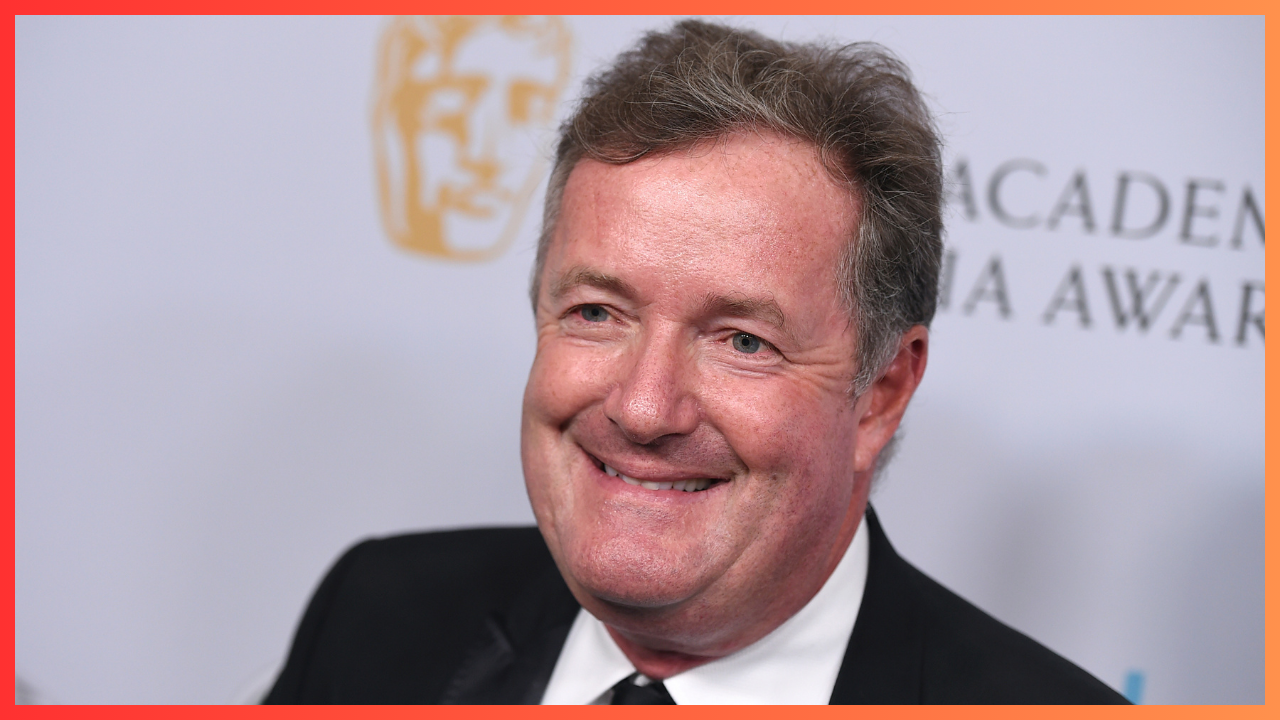
Audience Size: 8.0 | Notoriety: 8.8 | Cultural Impact: 7.7 | Wealth: 7.1 | Use of Influence: 8.0
Final Score: 39.6
Piers Morgan has successfully reinvented himself as a digital-age provocateur by embracing the one thing legacy television tried to sand down: conflict. No longer constrained by network executives or broadcast norms, Morgan has turned Piers Morgan Uncensored into a friction-based media engine—one that thrives on ideological collision rather than consensus.
Operating primarily on YouTube, Morgan’s show has become a reliable destination for viral confrontation. His format is deceptively simple: put opposing voices in the same room, apply pressure, and let the argument breathe. In practice, this has made Uncensored one of the most consistently clipped and redistributed political talk shows on the internet, with individual segments often outperforming traditional cable interviews in raw reach.
Morgan’s true innovation lies in guest curation. He has shown a keen instinct for pairing figures who would never willingly share a stage elsewhere—activists, politicians, influencers, and commentators from across the ideological spectrum. These clashes generate not only views, but secondary coverage, as clips ricochet across X, TikTok, and cable news shows reacting to the reactions.
Critically, Morgan positions himself not as an ideological actor, but as a moderator with teeth. While his personal views are well known, he often plays the role of instigator rather than advocate, allowing guests to expose the strengths—and weaknesses—of their own arguments. This posture has helped him attract controversial figures who might otherwise avoid mainstream platforms, while also retaining enough institutional credibility to keep the show from being dismissed outright.
From a right-leaning perspective, Morgan occupies an unusual middle ground. He is frequently hostile to conservative positions, yet his willingness to host and seriously engage right-wing figures has made his platform unavoidable. In doing so, he has inadvertently created one of the few remaining shared arenas where ideological opponents actually confront one another rather than speak past each other.
Morgan’s pivot away from traditional television toward platform-native distribution has also served as a case study in legacy adaptation done correctly. Instead of mimicking podcast culture, he leaned into his strengths—argument, immediacy, and editorial confidence—while allowing the internet to handle amplification.
In a media environment increasingly defined by echo chambers, Piers Morgan has made confrontation itself the product. Whether viewers tune in to agree, disagree, or simply watch the sparks fly, the result is the same: attention. And in modern media, attention is power.
30. David Ellison
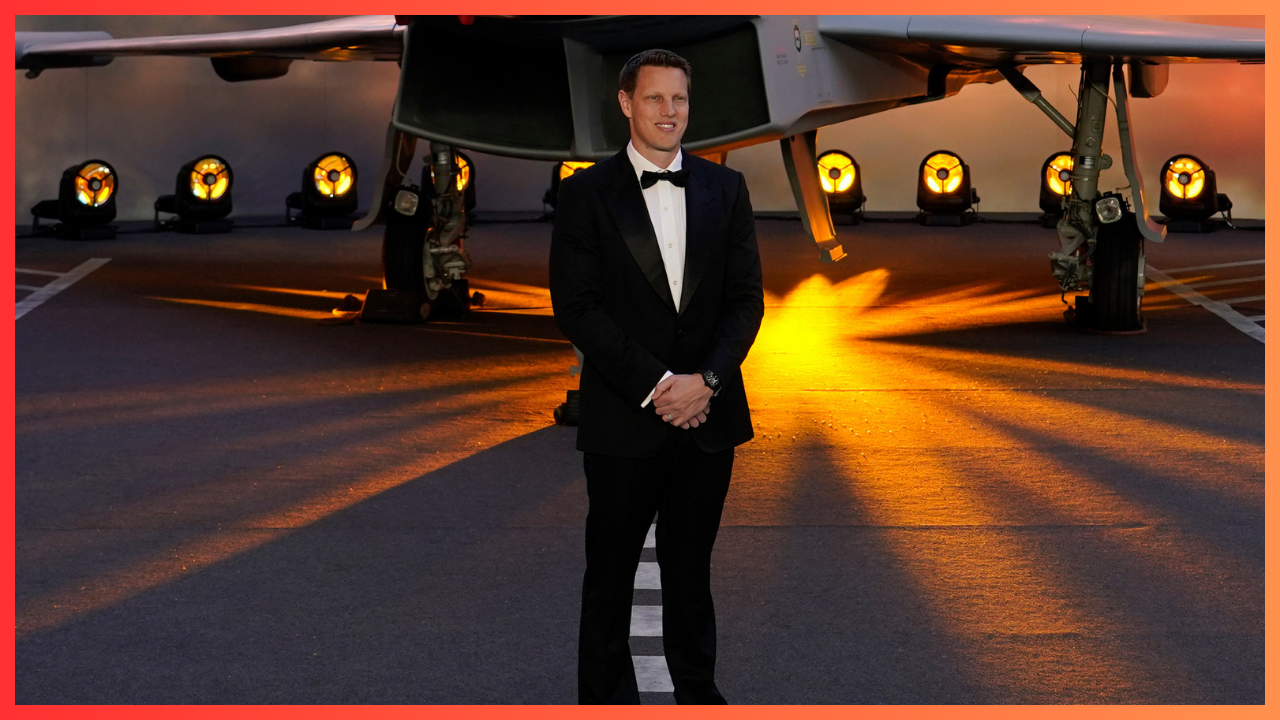
Audience Size: 7.0 | Notoriety: 7.7 | Cultural Impact: 7.5 | Wealth: 9.5 | Use of Influence: 8.0
Final Score: 39.7
David Ellison’s 2025 was the year he stopped being described as a Hollywood heir and started being recognized as a media power broker in his own right.
As CEO of Skydance Media, Ellison executed one of the most consequential moves in modern media history: the takeover and restructuring of Paramount Global, placing CBS News, Paramount Pictures, and a vast legacy content library under new ownership with a fundamentally different philosophy about control, risk, and relevance. This was not a passive acquisition—it was an assertion of authority.
Ellison understood what many legacy executives refused to admit: the problem with old media wasn’t just declining ratings or streaming competition—it was paralysis. In 2025, Skydance didn’t attempt to preserve Paramount’s culture; it rewired it. Leadership changed. Editorial assumptions were challenged. Sacred cows were slaughtered. And for the first time in years, CBS News became a story not because of what it aired, but because of who was deciding what could air.
That shift alone reshaped the media conversation. Journalists revolted. Critics warned of politicization. Supporters argued Ellison was restoring accountability to institutions that had long operated without it. Regardless of where one landed, the effect was undeniable: ownership was back in the driver’s seat.
Ellison’s influence extended beyond news. Skydance’s film and television slate continued feeding major platforms with franchise-ready content, reinforcing Ellison’s belief that modern media success comes from eventization—projects big enough to cut through algorithmic noise and fragmented attention. In an era where mid-budget content increasingly disappears, Ellison doubled down on scale.
What separates David Ellison from other executives is his willingness to exercise power openly. He does not hide behind committees or consensus. He treats media like what it is: a high-stakes business with cultural consequences. That posture alone disrupted an industry accustomed to insulation from its owners.
In 2025, David Ellison proved that media doesn’t drift toward change—it gets pushed. And he was one of the few figures willing, able, and capitalized enough to do the pushing.
29. All-In Podcast – Chamath Palihapitiya, Jason Calacanis, David Sacks, & David Friedberg
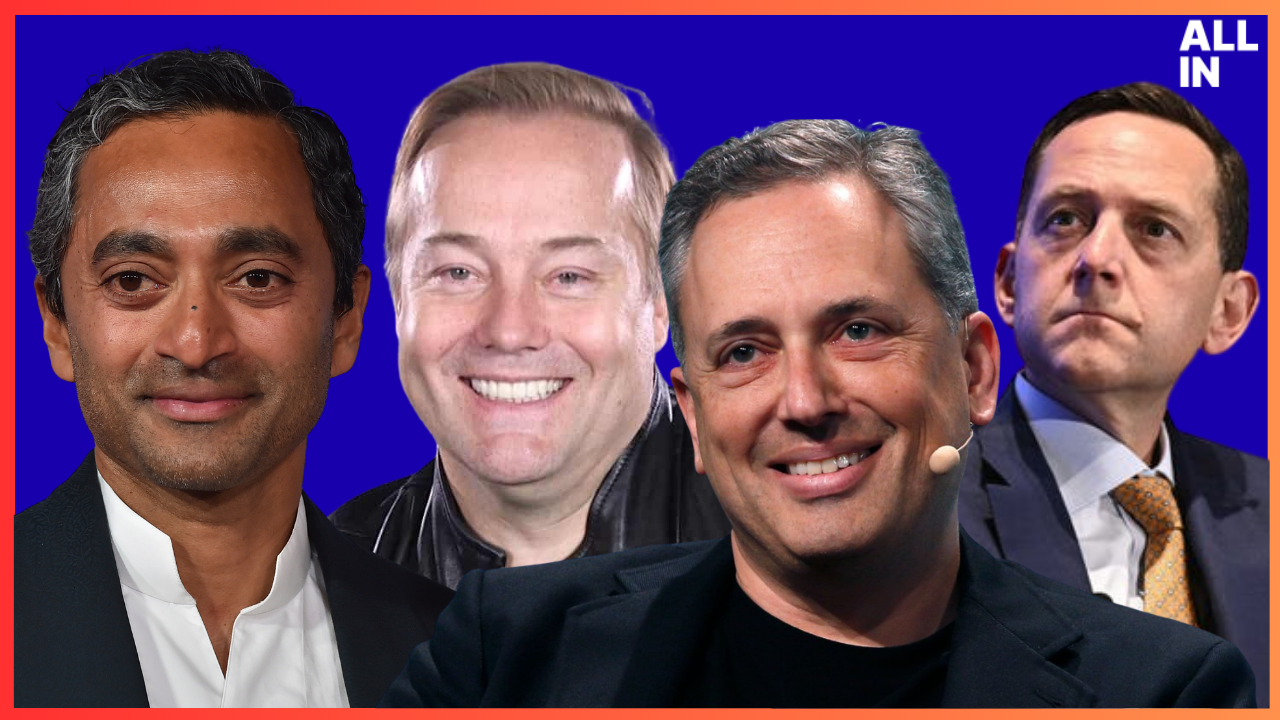
Audience Size: 7.5 | Notoriety: 7.9 | Cultural Impact: 7.2 | Wealth: 9.2 | Use of Influence: 8.0
Final Score: 39.8
By 2025, The All-In Podcast had moved beyond being merely influential and into the rarer category of agenda-setting media. What began as a pandemic-era experiment among Silicon Valley insiders has now matured into one of the most consequential business-political media platforms in the country—one capable of shaping elite opinion as well as mass discourse.
Throughout 2025, All-In continued to dominate the intersection of technology, capital, and politics, drawing an audience that increasingly resembles a parallel governing class: founders, investors, policymakers, and aspiring power brokers who consume the show not for entertainment, but for signal. Episodes routinely generated hours-long discussions across X, Substack, and cable news panels, with clips and quotes often serving as shorthand for broader debates around AI, geopolitics, industrial policy, and the future of American capitalism.
A defining feature of All-In’s 2025 evolution was its normalization of elite dissent. The hosts—particularly David Sacks and Chamath Palihapitiya—used the platform to openly challenge bipartisan consensus on issues such as foreign intervention, tech regulation, censorship, and the role of the administrative state. These critiques, delivered from inside the system rather than from its fringes, carried a legitimacy that many outsider voices lack.
The show’s guest strategy reinforced this position. In 2025, All-In continued to book high-level political figures, tech executives, and institutional thinkers, often producing longer, more candid conversations than those guests were willing to give mainstream outlets. In doing so, the podcast increasingly functioned as a first stop for message-testing, rather than a post-hoc media appearance.
Beyond the podcast itself, the All-In Summit further solidified the brand’s real-world influence. What had once been a niche gathering became, in 2025, a must-attend event for media figures, politicians, and business leaders seeking relevance in the post-legacy-media era. Panels, off-record conversations, and viral moments from the Summit frequently bled back into the show, creating a self-reinforcing media ecosystem.
Crucially, All-In also demonstrated that long-form, unscripted discussion can compete with—and often outperform—highly produced institutional media. Without a network, newsroom, or editorial bureaucracy, the show continued to attract an audience large enough to matter and influential enough to move markets, reputations, and political narratives.
By the end of 2025, The All-In Podcast was no longer just reflecting conversations happening elsewhere—it was where those conversations were happening first. In an era defined by distrust of institutions and hunger for insider candor, All-In proved that power listening has replaced mass broadcasting as one of the most valuable forms of media influence.
28. Nelk Boys
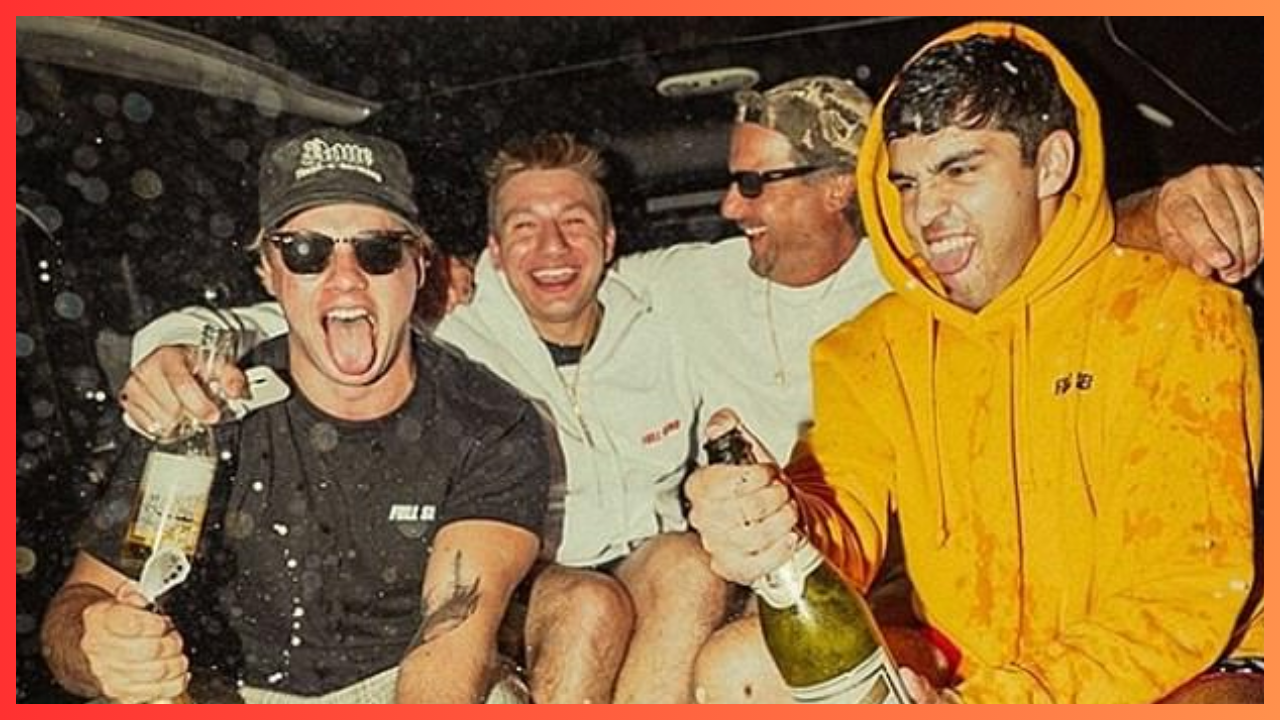
Audience Size: 8.1 | Notoriety: 7.9 | Cultural Impact: 8.4 | Wealth: 7.5 | Use of Influence: 8.0
Final Score: 39.9
By 2025, the Nelk Boys had fully graduated from viral pranksters to something far more consequential: a youth-media machine with real political, cultural, and commercial leverage. Through the continued expansion of the Full Send Podcast and the broader Nelk brand, the group cemented its position as one of the most effective gateways to Gen Z and young millennial audiences—an audience nearly every legacy institution has struggled to reach.
What makes Nelk uniquely powerful is not polish or journalistic rigor, but cultural trust. Their audience does not view them as media figures in the traditional sense, but as peers—and that relationship has proven invaluable in an era where authenticity routinely outperforms credibility-by-title.
In 2025, Full Send continued to book a slate of high-impact guests across politics, sports, and culture, reinforcing the podcast’s reputation as a space where establishment figures attempt to humanize themselves in front of an otherwise unreachable demographic. The show’s loose, conversational format consistently generated viral moments, with clips spreading across YouTube Shorts, TikTok, and X—often eclipsing the reach of the original episodes themselves.
Beyond interviews, the Nelk Boys further refined their influence-first distribution model, seamlessly blending entertainment, politics, and commerce. Their ability to mobilize attention—whether toward a guest, a cause, or a product—remains one of the most effective case studies in modern media monetization. Few creator collectives have managed to convert audience loyalty into sustained business success at the scale Nelk now operates.
Crucially, 2025 also underscored Nelk’s role as a political force multiplier, even when operating outside formal campaign structures. Their audience engagement routinely outperformed traditional youth outreach efforts, reinforcing the lesson that persuasion in the modern media landscape is less about messaging discipline and more about cultural alignment.
While critics continue to dismiss Nelk as unserious or irresponsible, their results tell a different story. Legacy outlets talk about young voters; the Nelk Boys talk to them—and, more importantly, are listened to.
By the end of 2025, Full Send was no longer just a podcast, and Nelk was no longer just a brand. Together, they represent a new category of influence—one where entertainment-driven media doesn’t merely reflect culture, but actively shapes who participates in it and how.
27. Ari Emanuel
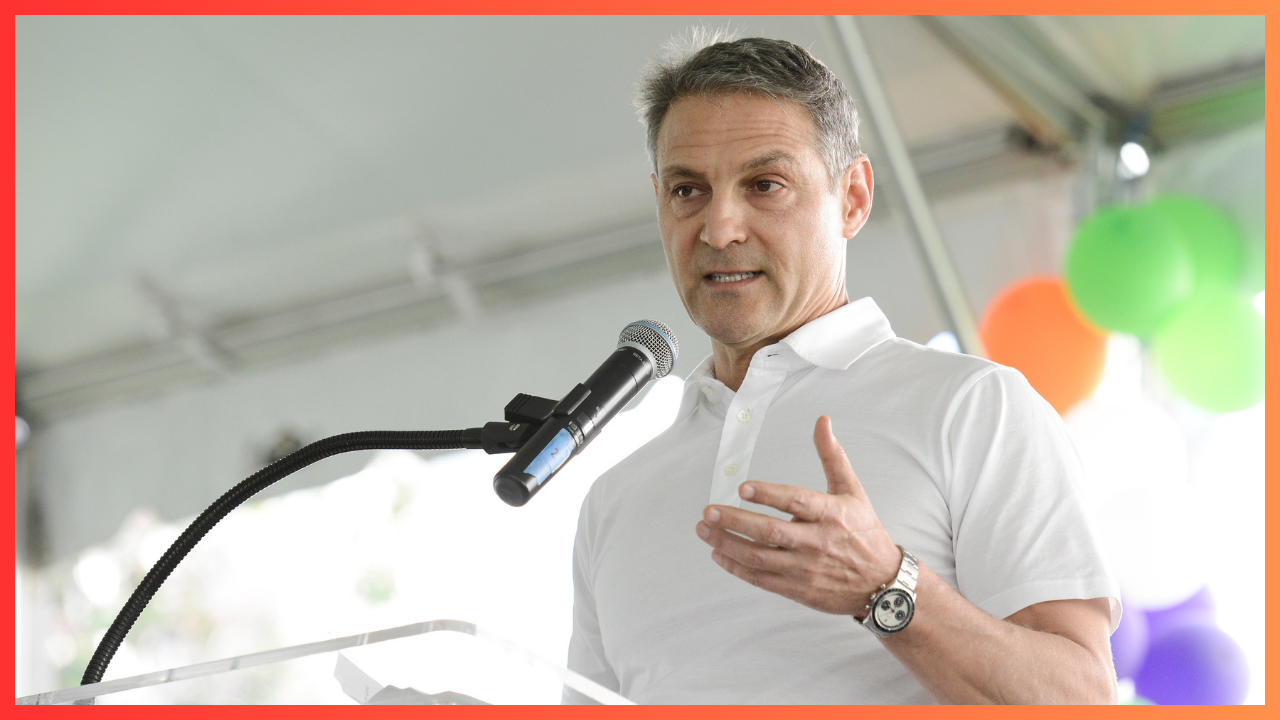
Audience Size: 7.0 | Notoriety: 7.7 | Cultural Impact: 8.1 | Wealth: 9.0 | Use of Influence: 8.2
Final Score: 40.0
Ari Emanuel’s media influence in 2025 was felt not through headlines or hot takes, but through deal-making gravity. As CEO of Endeavor and architect of the modern talent–sports–entertainment conglomerate, Emanuel continued to operate at the layer of media power that actually determines outcomes: ownership, representation, and distribution rights.
The most significant throughline of Emanuel’s year was consolidation paying off. Endeavor’s control of UFC, WWE (via TKO Group Holdings), IMG, and a vast portfolio of talent and sports properties allowed Emanuel to benefit from a structural shift in media consumption. Live events, combat sports, and personality-driven spectacle proved far more resilient than scripted entertainment—and Emanuel was positioned perfectly to capitalize.
Under his leadership, TKO continued integrating UFC and WWE into a unified global sports-entertainment machine, expanding international rights, sponsorship packages, and media licensing. These properties didn’t just survive cord-cutting—they thrived because they deliver something streaming platforms still struggle to replicate: appointment viewing with real stakes. Emanuel understood this before most legacy executives did, and 2025 reinforced the wisdom of that bet.
Emanuel also remained one of the most powerful gatekeepers of talent in the world. Through WME and IMG, his influence over which voices get amplified—across film, television, sports, and digital media—remains enormous. In an era where creators often believe they’ve bypassed representation entirely, Emanuel’s empire quietly proved the opposite: scale still favors those who can negotiate access, brand alignment, and distribution at the highest levels.
From a media-ecosystem standpoint, Emanuel represents the triumph of leverage over content. He doesn’t need to shape narratives directly. By controlling who appears where, under what terms, and with which platforms, he influences the ecosystem upstream—long before audiences ever encounter the finished product.
Critics have long accused Emanuel of excessive consolidation and cultural homogenization. Supporters argue that his model is simply the logical evolution of a fragmented industry desperate for structure. In 2025, the market sided with the latter. Live sports surged. Talent remained king. And Emanuel’s portfolio sat at the center of both.
Ari Emanuel’s influence this year was not about reinvention—it was about inevitability. While others chased trends, he owned the infrastructure that trends have to pass through. And in modern media, that kind of quiet dominance is the most durable power there is.
26. Tim Cook

Audience Size: 8.0 | Notoriety: 8.0 | Cultural Impact: 7.5 | Wealth: 9.1 | Use of Influence: 7.5
Final Score: 40.1
Tim Cook’s media influence in 2025 did not come from content creation or cultural commentary, but from something far more decisive: control over the devices, ecosystems, and defaults through which media is consumed. As CEO of Apple, Cook continued to shape the media landscape indirectly but profoundly—by determining how hundreds of millions of people access news, entertainment, audio, and information every day.
The most consequential development this year was Apple’s deeper integration of AI-driven features across iOS, macOS, and its services stack. By embedding AI assistance, summarization, and content discovery directly into Apple’s operating systems, Cook effectively altered how users interact with media at the point of entry. These changes didn’t favor any one publisher or platform explicitly, but they reshaped incentives across the industry by privileging frictionless consumption over active search.
Apple’s services business—which includes Apple Music, Apple TV+, Apple Podcasts, and News+—continued to grow in strategic importance. While none of these platforms dominate their categories individually, their bundling within Apple’s ecosystem gives them disproportionate leverage. In practice, Apple doesn’t need to “win” the streaming wars; it simply needs to remain unavoidable. In 2025, it did exactly that.
Cook also maintained Apple’s posture as the most brand-safe media gatekeeper in tech. Through app-store policies, privacy controls, and moderation standards, Apple continued to exert quiet pressure on what kinds of media thrive on its devices. Critics on the right argue that these controls subtly disadvantage dissenting or controversial voices; defenders frame them as user protection. Either way, the effect is real: Apple’s standards shape the outer bounds of acceptable digital media.
At the same time, Cook avoided the culture-war theatrics that have ensnared other tech CEOs. He did not chase headlines or ideological validation. Instead, Apple projected steadiness—appealing to advertisers, institutions, and global markets that value predictability over experimentation. That restraint reinforced Apple’s role as the default layer beneath the media chaos above it.
From an industry perspective, Tim Cook represents platform power at its most refined. He does not decide what stories go viral, but he decides which platforms are privileged, which apps are frictionless, and which experiences feel native. In a media environment defined by fragmentation, those defaults matter more than editorial lines.
Tim Cook’s influence in 2025 was not loud, and it was not controversial—but it was structural. And in modern media, structural power is the kind that lasts.
25. Alex Cooper
Audience Size: 8.2 | Notoriety: 8.0 | Cultural Impact: 8.8 | Wealth: 7.2 | Use of Influence: 8.0
Final Score: 40.2
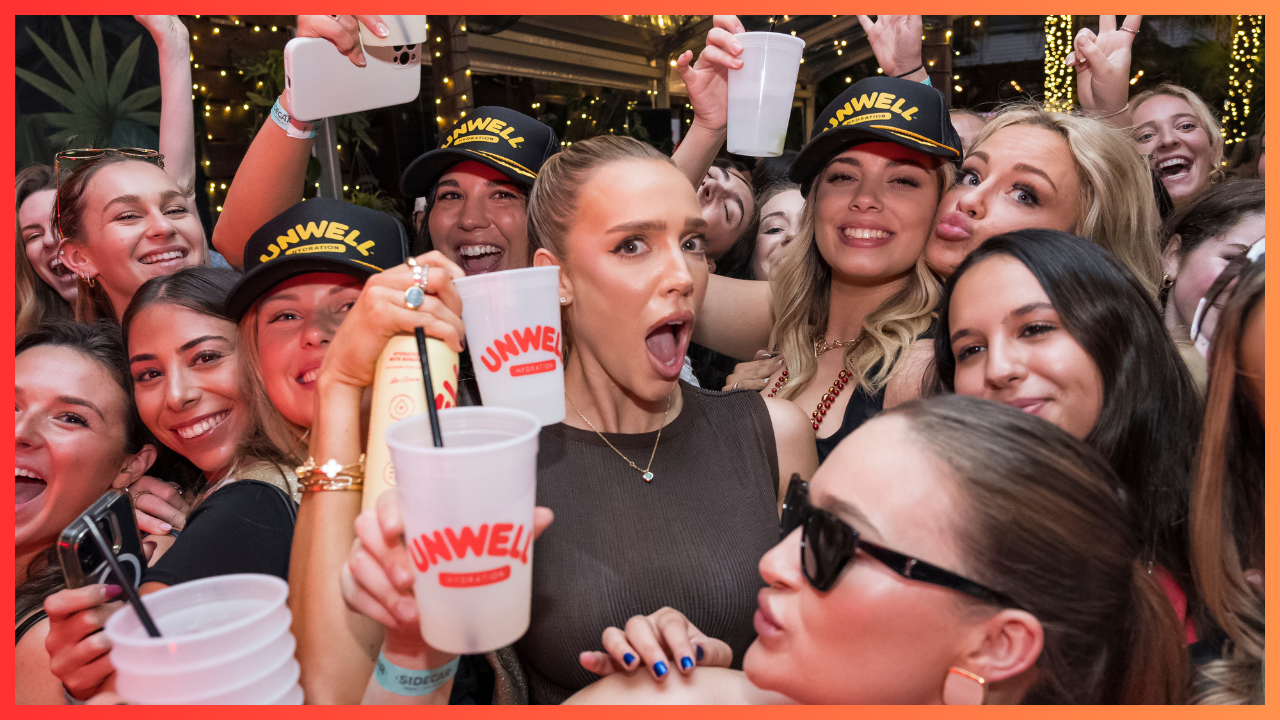
In 2025, Alex Cooper continued to prove that influence in modern media is not measured by ideological impact, but by cultural leverage. As the host of Call Her Daddy and founder of the Unwell network, Cooper spent the year consolidating her position as one of the most commercially powerful and demographically precise media figures in the industry.
Following her blockbuster move away from Spotify, Cooper’s SiriusXM partnership fully matured in 2025, validating her bet that platform independence—rather than exclusivity—was the future for creator-led empires. Call Her Daddy remained one of the most listened-to podcasts in the world, particularly among young women, a demographic that advertisers, political campaigns, and entertainment executives consistently struggle to reach through traditional channels.
What separates Cooper from most podcast hosts is her command of brand translation. In 2025, she continued to expand the Unwell umbrella beyond audio, leaning into live events, merchandise, and cross-platform video distribution that allowed her content to travel seamlessly across YouTube, social clips, and short-form feeds. The result was not just audience retention, but audience activation—fans who show up, buy in, and evangelize.
While Cooper largely avoided partisan political commentary in 2025, her cultural influence remained undeniable. Guests ranging from celebrities to online personalities consistently generated viral moments, with episodes producing clips that dominated TikTok and Instagram Reels for days at a time. These moments rarely reshaped policy debates, but they did shape tone—setting norms around relationships, sex, fame, and self-branding for millions of listeners.
Critics have long dismissed Call Her Daddy as unserious or shallow, but 2025 reinforced an uncomfortable truth for legacy media: Cooper’s platform moves audiences in ways traditional outlets simply no longer can. When she chooses to engage a topic—or a guest—she effectively anoints it as culturally relevant for her audience, whether institutions approve or not.
From a media-industry standpoint, Alex Cooper represents the apex of personality-as-platform. She does not rely on controversy, punditry, or institutional credibility. Her influence flows from intimacy, consistency, and a finely tuned understanding of her audience’s identity and aspirations.
24. Bari Weiss
Audience Size: 7.5 | Notoriety: 8.0 | Cultural Impact: 8.4 | Wealth: 8.2 | Use of Influence: 8.2
Final Score: 40.3
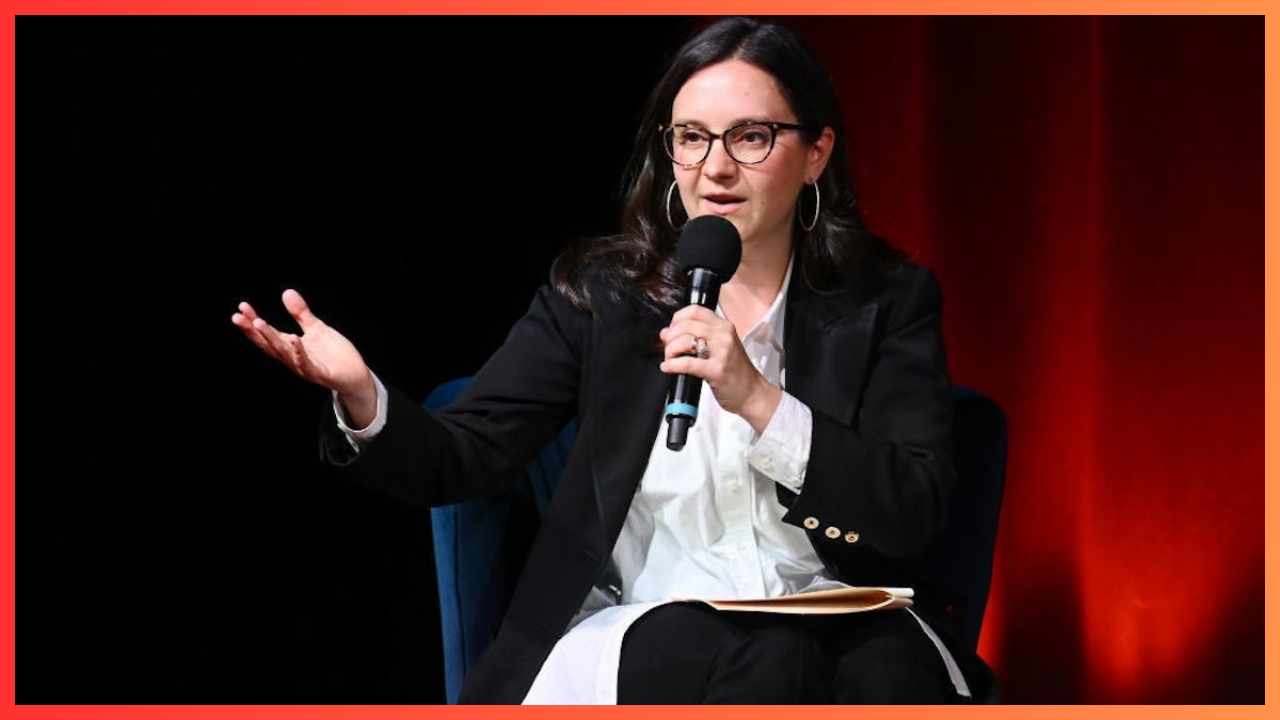
Bari Weiss’s 2025 media influence was defined not by amplification through controversy alone, but by structural repositioning of legacy journalism and the broader narratives around editorial authority and bias. Her rise this year marks one of the most consequential — and contentious — shifts within American newsrooms.
Weiss began the year as founder and editor of The Free Press, a digital news and opinion outlet she launched after departing The New York Times in 2020 and later wrote for Die Welt. In October 2025, Paramount Skydance acquired The Free Press for roughly $150 million and elevated Weiss to become editor-in-chief of CBS News, a move intended to reshape how one of the country’s largest news organizations covers politics, culture, and public trust issues.
The appointment was notable for both scale and symbolism. The Free Press had positioned itself as an independent outlet focused on critiques of mainstream media bias, cancel culture, and coverage of hot-button issues — especially around institutional overreach and cultural fault lines — and built a substantial subscription base prior to the acquisition. Weiss’s transition to CBS placed someone with a reputation as an outsider and critic of legacy media directly atop one of its most powerful brands.
Weiss’s editorial instincts quickly shaped the newsroom’s output — most recently when she pulled a planned 60 Minutes investigative segment just hours before broadcast, citing concerns about fairness and balance. The piece, which focused on alleged abuses at a detention center in El Salvador, had already been legally and editorially cleared, and its removal triggered significant internal and external criticism, with veteran correspondent Sharyn Alfonsi calling the decision political and warning it could harm the program’s credibility. Weiss defended the move as an effort to ensure rigorous, balanced reporting, emphasizing the need for completeness and additional voices.
That episode underscored Weiss’s impact on how media is produced and consumed rather than merely what is said. Under her leadership, editorial decisions at CBS have become headline news in their own right, drawing commentary far beyond traditional broadcast audiences and forcing national conversations about journalistic standards, institutional independence, and perceived bias. Internal changes — including plans to overhaul newsroom processes and editorial hierarchies — reflect a broader effort to assert a new editorial vision for CBS and potentially counter narratives of establishment media partisanship.
Weiss’s ambitions may extend even farther. Reports suggest she has signaled interest in expanding her media influence by potentially bringing outlets like CNN under her editorial umbrella if Paramount Skydance’s bid to acquire Warner Bros. Discovery succeeds. Such a move, if realized, would create a rare cross-platform news empire capable of reshaping media production and distribution at scale.
Her body of work — from The Free Press through controversial editorial choices at CBS — demonstrates a strategic use of institutional platforms to challenge and redefine what counts as balanced journalism in 2025. Whether that shift is celebrated or criticized, it has undeniably reshaped both production norms and public perceptions of media authority this year.
23. Megyn Kelly
Audience Size: 8.2 | Notoriety: 8.8 | Cultural Impact: 8.5 | Wealth: 7.3 | Use of Influence: 7.6
Final Score: 40.4
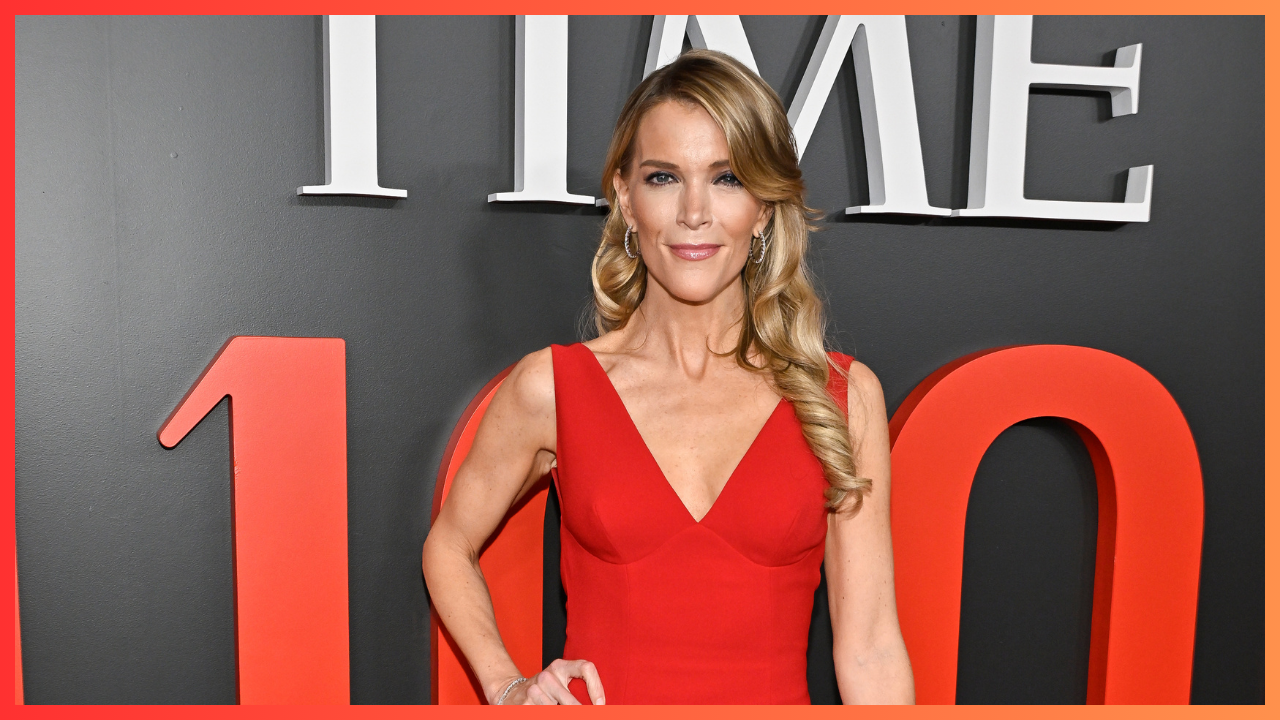
Megyn Kelly has pulled off one of the rarest feats in modern media: escaping the legacy system without losing relevance—or authority. What began as a post-network reinvention has now matured into a fully independent media operation, with Kelly functioning less like a former anchor and more like a sovereign brand.
Her SiriusXM-backed platform, The Megyn Kelly Show, continued to rank among the most influential news and culture podcasts, pairing long-form interviews with sharp, lawyerly analysis. Kelly’s greatest advantage remains credibility without deference. Unlike many independent hosts who built audiences by rejecting institutions outright, Kelly brings insider fluency to her critiques, allowing her to dissect media malpractice with precision rather than posture.
Throughout the year, Kelly positioned herself as one of the most effective internal critics of the press itself. Her sustained focus on journalistic failures—misreporting, selective outrage, narrative laundering, and institutional cowardice—regularly generated viral clips that circulated far beyond her immediate audience. In many cases, Kelly became the primary venue where media controversies were explained clearly rather than obscured by insider euphemism.
Kelly’s interview strategy also reinforced her status as a bridge figure. She booked guests from across the political and cultural spectrum, often drawing out more candid admissions than they offered on friendly networks. Her legal background showed in her method: controlled questioning, insistence on clarity, and refusal to let slogans substitute for answers. This approach earned her respect even from critics who disagree with her conclusions.
Importantly, Kelly’s success has not depended on constant outrage or algorithm chasing. Her growth reflects a demand for competent confrontation—media that challenges power without theatrical excess. In a landscape saturated with volume and provocation, Kelly’s restraint has become part of her appeal.
From an industry perspective, Megyn Kelly represents a post-cable archetype that legacy networks have failed to replicate: a high-trust, high-discipline personality who owns her audience relationship outright. She no longer needs a primetime slot to set narratives; she simply needs a microphone and distribution.
Kelly’s career arc stands as a quiet rebuke to the idea that credibility flows downward from institutions. In today’s media environment, it flows outward—from individuals willing to walk away, rebuild, and speak with clarity once the filters are gone.
22. Ben Shapiro
Audience Size: 8.1 | Notoriety: 8.2 | Cultural Impact: 7.8 | Wealth: 8.0 | Use of Influence: 8.4
Final Score: 40.5
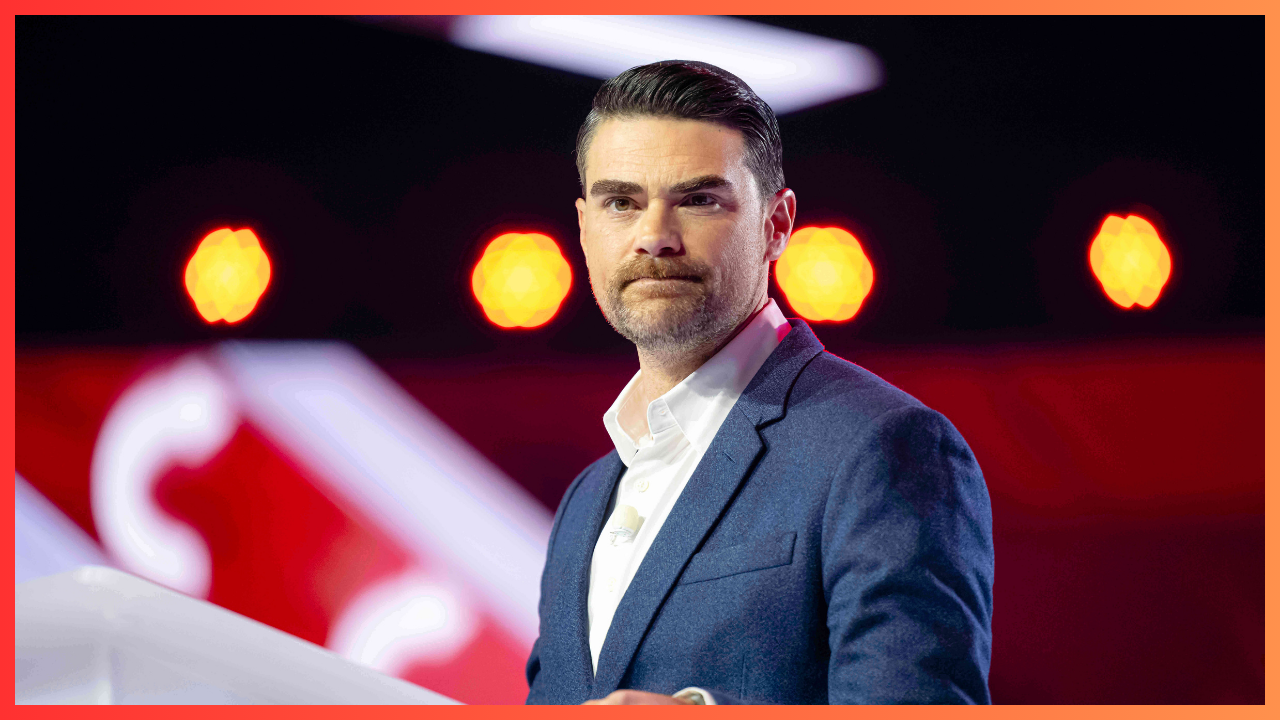
Ben Shapiro’s influence in 2025 was defined less by expansion than by consolidation. As co-founder and chief editorial force of The Daily Wire, Shapiro spent the year reinforcing his position as one of the most disciplined and institution-minded figures on the right—someone intent on preserving infrastructure, message coherence, and audience loyalty during a period of internal fracture.
The Daily Wire remained one of the largest conservative media operations in the country, with Shapiro’s daily show continuing to anchor its news and commentary output. Across YouTube, audio platforms, and social distribution, his content consistently pulled millions of views and listens, benefiting from a reputation for preparation and argumentative rigor even among critics. In an ecosystem increasingly driven by spectacle, Shapiro’s steadiness became part of his brand value.
A defining media moment of the year came amid a wave of online controversy surrounding disputed claims circulating about the death of Charlie Kirk. While those claims were widely rejected by law enforcement reporting and mainstream coverage, the episode triggered a broader crisis of trust within conservative media. In response, Shapiro publicly framed himself as a stabilizing force—pledging to help carry forward Turning Point USA’s mission and rhetoric about “picking up the microphone” left by Kirk. The language was symbolic rather than literal, but it was widely interpreted as an attempt to assert continuity and institutional legitimacy at a moment when conspiracy-driven narratives threatened to fracture the right’s media coalition.
That posture was consistent with Shapiro’s broader role in 2025: counter-programming chaos with structure. While other personalities leaned into suspicion and open-ended speculation, Shapiro positioned himself as the adult in the room—warning against internal cannibalization and emphasizing coalition maintenance over viral outrage. Whether audiences agreed or not, the contrast sharpened his relevance.
On foreign policy, Shapiro remained one of the most prominent and uncompromising pro-Israel voices in American media. His coverage and commentary on Israel throughout the year were unwavering, framing the conflict in moral and civilizational terms rather than geopolitical ambiguity. This stance cost him goodwill among some younger or populist right-wing audiences, but it simultaneously solidified his standing with donors, institutions, and listeners who value clarity over coalition flexibility.
From a media-impact standpoint, Shapiro represents institutional gravity. He does not dominate the conversation through novelty, but through reliability. His audience may not be the loudest, but it is among the most durable—returning daily for reinforcement rather than revelation.
In a year when conservative media increasingly rewarded volatility, Ben Shapiro functioned as ballast. His influence came not from chasing the moment, but from attempting to hold the center of a movement that often seems determined to tear itself apart.
21. Lachlan Murdoch

Audience Size: 7.0 | Notoriety: 7.2 | Cultural Impact: 8.5 | Wealth: 9.3 | Use of Influence: 8.6
Final Score: 40.6
As the heir apparent to Rupert Murdoch’s media empire, Lachlan Murdoch has spent years being measured against his father’s shadow. In 2025, however, Lachlan continued to prove that his influence is not merely inherited—but strategic. As CEO of Fox Corporation, Murdoch presided over another year in which Fox News not only survived the collapse of legacy media trust, but adapted to the new attention economy faster than most of its peers.
While many traditional networks struggled with declining ratings, layoffs, and shrinking relevance, Fox remained the single most-watched cable news network in the United States throughout 2025. Under Lachlan’s leadership, the company doubled down on opinion-driven programming, live-event dominance, and digital amplification—recognizing that Fox’s real advantage lies not in pretending to be neutral, but in owning its lane unapologetically.
Perhaps Murdoch’s most consequential media move, however, came outside traditional cable. Through Fox’s strategic investment in Red Seat Ventures, Lachlan positioned the network at the center of the exploding creator-led podcast and digital media economy. Red Seat, which operates and monetizes podcasts for top-tier talent, became a quiet but powerful extension of Fox’s reach—allowing the company to benefit from the credibility and audience loyalty of independent voices without absorbing the cultural liabilities of full corporate ownership.
In 2025, Red Seat Ventures continued to scale its portfolio, working behind the scenes on production, ad sales, and distribution for some of the most listened-to shows in politics, news, and culture. This partnership reflected Murdoch’s broader thesis: the future of media belongs to personalities, not institutions, and Fox would rather enable those personalities than compete against them directly.
This strategy also insulated Fox from the perception problem plaguing other legacy outlets. While CNN, MSNBC, and print institutions attempted awkward pivots into podcasts and streaming with mixed results, Fox—via Red Seat—quietly embedded itself in the alternative ecosystem already winning the attention war.
At the same time, Murdoch oversaw Fox News’ continued dominance during major political moments, with election coverage, congressional showdowns, and foreign policy crises once again driving massive live audiences. The network’s ability to turn breaking news into must-watch television remained unmatched, reinforcing Fox’s role as the last truly functional legacy broadcaster.
By 2025, it became clear that Lachlan Murdoch’s version of the Murdoch playbook is less about empire-building through ownership and more about distribution leverage, talent partnerships, and cultural realism. In an era when most media conglomerates are either shrinking or scrambling, Murdoch has positioned Fox not as a relic of the past—but as a hybrid bridge between old power and new influence.
20. Candace Owens
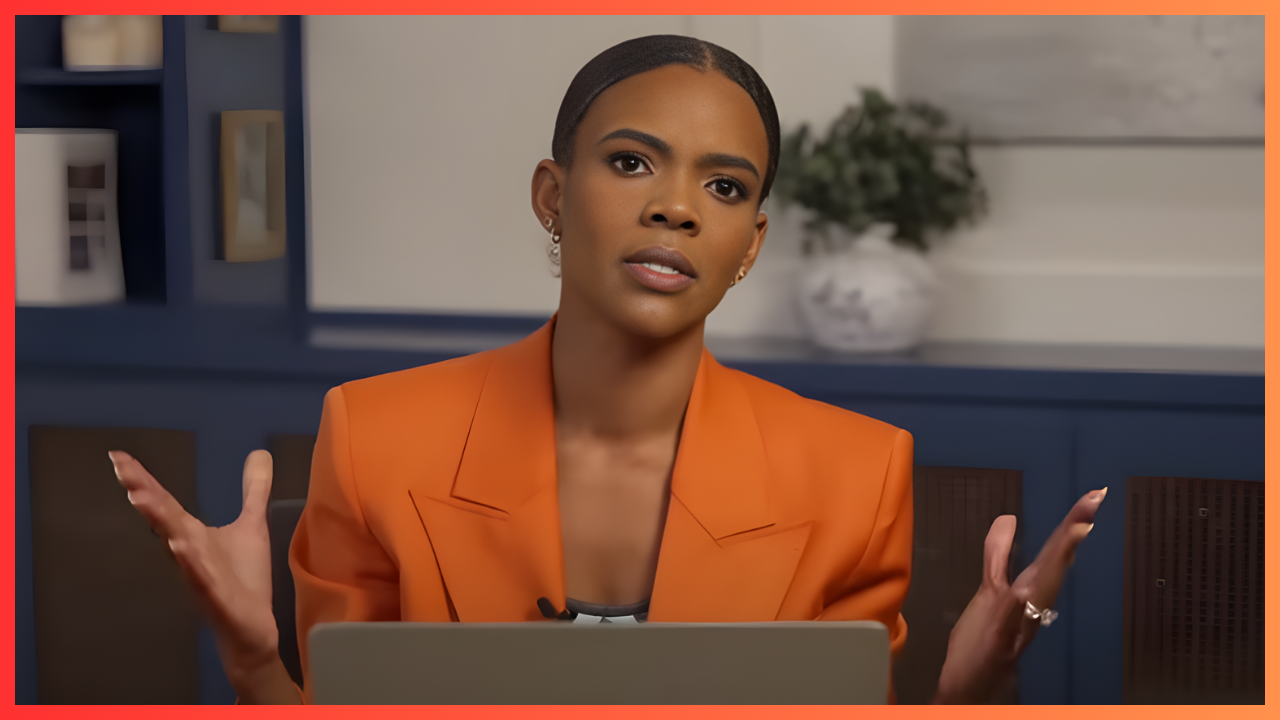
Audience Size: 8.4 | Notoriety: 8.4 | Cultural Impact: 8.1 | Wealth: 7.1 | Use of Influence: 8.7
Final Score: 40.7
Candace Owens has turned volatility into a media accelerant, and her 2025 run proved just how quickly controversy can harden into audience capture. Since leaving the Daily Wire ecosystem, Owens has operated as a fully independent, personality-driven outlet—one that thrives on conflict, suspicion, and the sense that she’s saying what “the establishment right” won’t. The result has been undeniable attention, measured in both raw reach and agenda-setting power.
On the performance side, Owens’ YouTube footprint alone is massive: roughly 5.72 million subscribers and about 1.19 billion total channel views as of late December. That’s not just “popular political commentary”—it’s a broadcast-scale audience that can overwhelm smaller narratives and force responses from competitors, institutions, and even allies.
The most consequential driver of that growth this year was her highly publicized “investigation” into the assassination of Charlie Kirk—a project that became both her biggest audience engine and her most divisive controversy. Mainstream reporting framed the situation bluntly: a widening rift between Owens and Kirk’s widow Erika, fueled by Owens’ promotion of alternative theories about the killing.
Owens’ content numbers around the Kirk case show why it swallowed the conservative conversation. A dedicated YouTube playlist titled around the “Charlie Kirk” investigation contains multiple episodes pulling millions of views—including one streamed episode with roughly 5.8M views, others at 3.2M, 2.9M, and 3.1M, plus continued follow-ons. Even her meta-episode about the backlash—“Why Is Everyone Crashing Out Over The Charlie Kirk Investigation?”—cleared about 2.1M views. Whatever one thinks of the claims, the market signal is clear: large portions of the online right are consuming this as must-watch programming.
The controversy peaked as Owens escalated theories beyond mainstream skepticism into more sensational allegations—claims that critics say lean on thin sourcing and innuendo. Coverage of her “Fort Huachuca” theory, for example, became its own micro-drama online, triggering widespread pushback and mockery even within right-wing circles. That internal backlash matters, because it shows the dynamic at work: Owens is no longer merely criticizing the left—she is pressurizing and polarizing the right from within.
The reaction from prominent figures underscored how central she became. Erika Kirk publicly demanded the speculation stop. Other large right-leaning commentators, including Tim Pool, openly accused Owens of exploiting the tragedy and “burning down” what Kirk built—turning conservative media into a self-consuming spectacle.
From a media-impact standpoint, this is the key takeaway: Owens’ conspiracy-driven arc isn’t just a “drama story.” It’s a live demonstration of how attention incentives can redirect a movement’s energy inward—away from persuasion and toward factional warfare. Her audience is big enough, and her fans committed enough, that she can now function as a spoiler force: not necessarily by electing her preferred candidates, but by fracturing trust, depressing unity, and turning every close race into a loyalty test.
Owens sits at the center of the conversation because she’s mastered a modern formula: take a high-emotion event, frame it as betrayal, keep the story open-ended, and publish relentlessly. The views follow. The movement follows. And whether the right wants to admit it or not, that kind of attention—when it consolidates around suspicion—can become politically radioactive.
19. Jimmy Kimmel
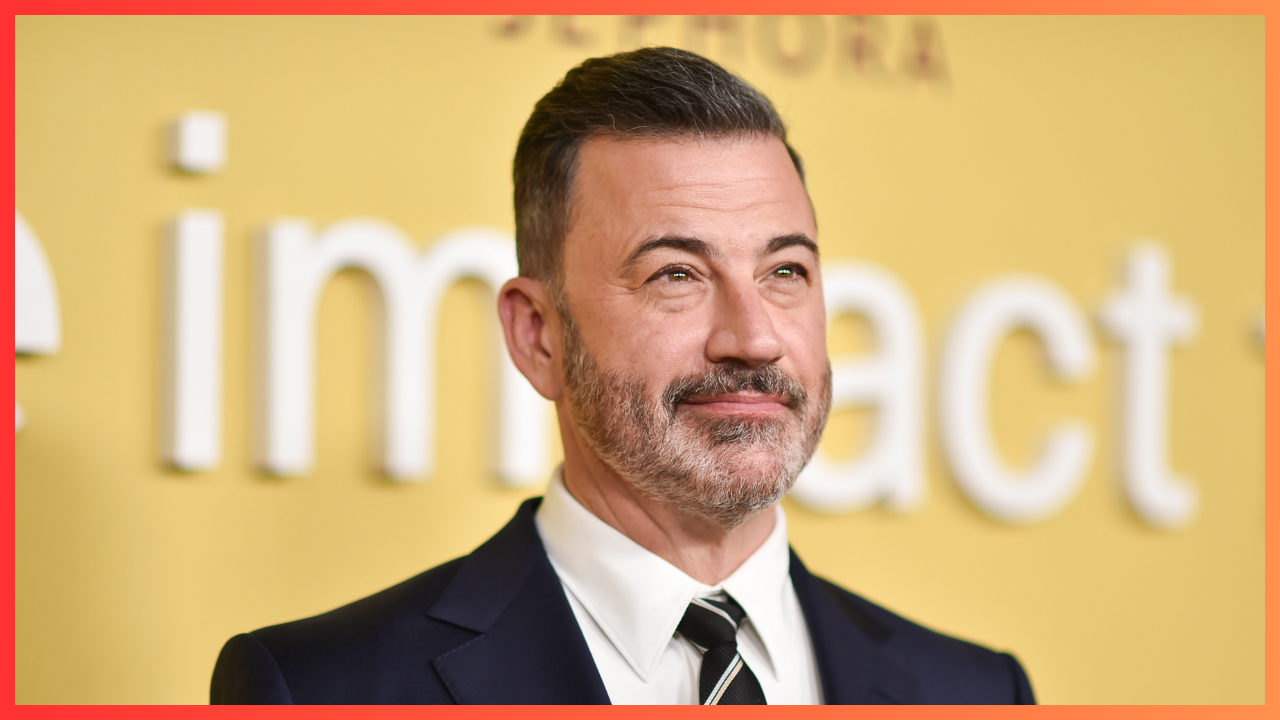
Audience Size: 8.9 | Notoriety: 9.0 | Cultural Impact: 7.5 | Wealth: 7.3 | Use of Influence: 8.1
Final Score: 40.8
Jimmy Kimmel’s 2025 was a dramatic case study in how media influence and political polarization can collide in unpredictable ways—particularly when a legacy figure from the late-night world dares to wade into the most charged cultural debates of the day.
For more than two decades, Jimmy Kimmel Live! had been a staple of late-night television, blending comedy, celebrity interviews, and occasional cultural commentary. But in September 2025, Kimmel became a central figure in one of the year’s biggest media flashpoints. During remarks about the assassination of conservative activist Charlie Kirk, Kimmel suggested that the suspect responsible was a MAGA Republican, which sparked outrage given the alleged shooter’s known ties to leftist ideologies. Kimmel’s comments sparked nationwide backlash from conservative media, political figures, and regulators. That backlash ultimately led to ABC and Disney temporarily suspending his show, and major station groups like Nexstar and Sinclair pulling Jimmy Kimmel Live! from their airwaves.
What made the incident so significant from a media-impact perspective is not just that a late-night talk show was taken off the air—something rare in the modern era—but that its pullback ignited a high-stakes debate about free speech, corporate pressure, and political influence over media platforms. FCC leadership weighed in publicly, station owners positioned their actions as community responsibility, and lawmakers on both sides of the aisle weighed in on whether the suspension constituted censorship or editorial accountability.
Kimmel’s return to the air shortly thereafter—coupled with ongoing public contention—illustrated how even established, traditionally apolitical entertainment spaces have become battlegrounds for broader cultural conflict. His Christmas Day 2025 address on the U.K.’s Channel 4, in which he sharply criticized the Trump administration while framing the year as a reckoning over free speech and “tyranny,” only reinforced his role as a persona who blurred the boundaries between comedy, commentary, and political media.
Though his show remains a late-night entertainment program at its core, Kimmel’s 2025 trajectory highlights a powerful trend: even legacy hosts can become polarizing media figures when they step beyond scripted humor into national narratives with political weight. Whether critiqued as overreach or lauded as principled commentary, Kimmel’s expanded footprint in the conversation this year underscores how traditional platforms—if leveraged boldly—can still shape the broader media terrain.
18. Dave Portnoy
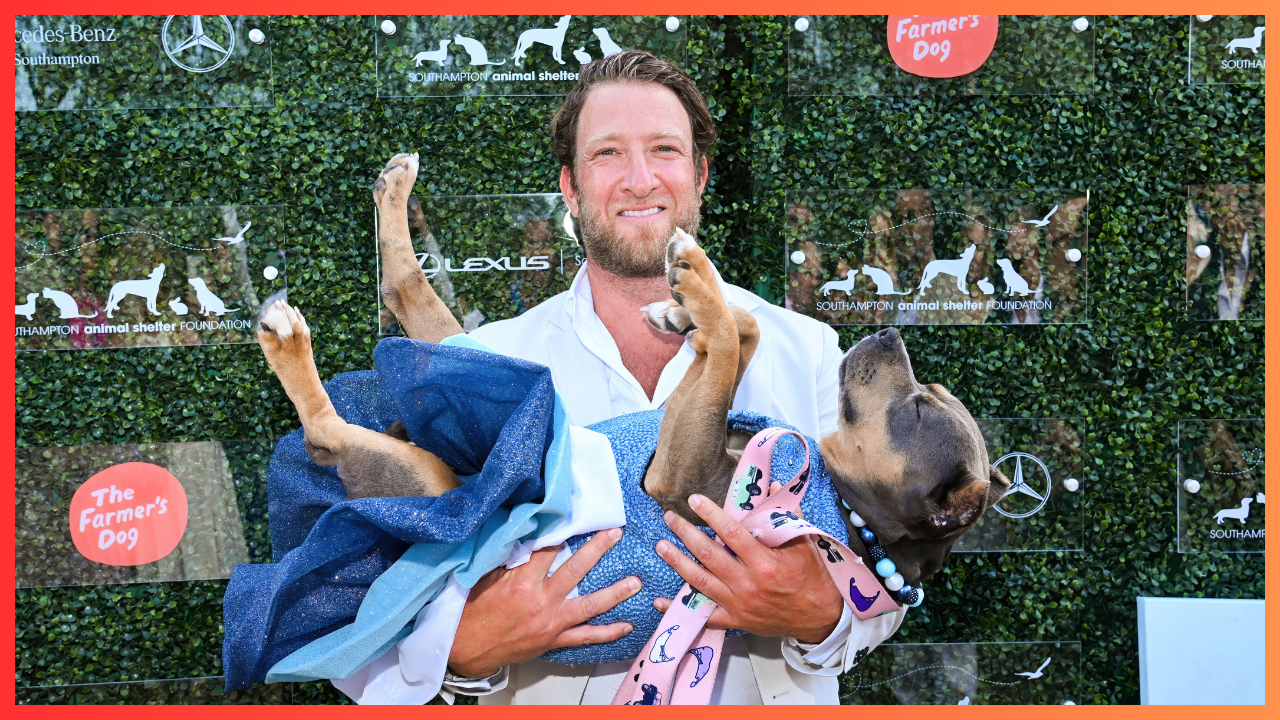
Audience Size: 8.0 | Notoriety: 8.0 | Cultural Impact: 8.0 | Wealth: 8.4 | Use of Influence: 8.7
Final Score: 41.1
Dave Portnoy’s media influence in 2025 was defined by consolidation and control. After years of turbulence, lawsuits, public feuds, and corporate whiplash, Portnoy spent this year reasserting himself as the undisputed center of gravity at Barstool Sports—and in the process, reaffirmed why the brand still matters in an increasingly crowded creator economy.
Barstool’s content machine continued to operate at scale, but what changed materially in 2025 was Portnoy’s visibility and authority within it. His shows, live streams, and social commentary routinely drove the network’s biggest traffic spikes, reinforcing the reality that Barstool’s audience remains far more loyal to Portnoy than to any individual vertical or rotating cast of talent. In an era when media companies struggle to build stars, Portnoy still is the star.
His “Pizza Reviews” franchise remained one of the most effective low-cost media formats on the internet, regularly pulling millions of views and producing immediate real-world economic effects for small businesses. Those videos continued to function as both content and cultural signal—combining humor, local authenticity, and Portnoy’s persona into a repeatable attention engine that legacy food and lifestyle media cannot replicate.
Portnoy’s social presence also kept him at the center of political and cultural discourse. His commentary—often impulsive, combative, and deliberately unpolished—was frequently amplified by both supporters and critics, allowing him to dominate conversation cycles without relying on institutional backing. In many cases, Portnoy acted as a lightning rod for broader debates about masculinity, cancel culture, and media hypocrisy, drawing fire while simultaneously growing reach.
From a business standpoint, Barstool in 2025 looked less like a startup and more like a stabilized media brand anchored by personality rather than platform dependency. Portnoy’s insistence on independence—eschewing corporate oversight and advertiser appeasement—gave Barstool a level of editorial freedom that many scaled media companies have lost. That freedom remains its core competitive advantage.
Critics argue that Portnoy’s approach limits Barstool’s ceiling and invites unnecessary controversy. Supporters counter that controversy is the ceiling-breaker, not the constraint. From a media-impact perspective, the latter view carries weight: Portnoy continues to generate attention disproportionate to his size, budget, or institutional access.
Dave Portnoy’s influence in 2025 was not about reinvention. It was about ownership—of his platform, his audience, and his narrative. In a media landscape increasingly dominated by algorithms and risk-averse executives, Portnoy remains one of the few figures who still operates entirely on his own terms.
17. Bill Maher

Audience Size: 8.5 | Notoriety: 8.9 | Cultural Impact: 8.5 | Wealth: 7.4 | Use of Influence: 8.1
Final Score: 41.4
In 2025, Bill Maher continued to occupy a lane in American media that few others can: a legacy television host who remains culturally relevant precisely because he refuses to fully conform to his own side. At a time when most late-night and political commentary shows have become predictable extensions of partisan messaging, Maher’s willingness to antagonize progressives as often as conservatives kept him in the conversation—even as the rest of his genre faded into irrelevance.
Real Time with Bill Maher remained HBO’s most politically influential talk show, and one of the last appointment-viewing programs left in cable-adjacent media. While overall viewership trends for traditional television continued to decline in 2025, Real Time maintained a loyal audience drawn to Maher’s unscripted panels and increasingly confrontational monologues on crime, free speech, gender ideology, and Democratic overreach.
At the same time, Maher’s podcast, Club Random, continued to outperform expectations, reinforcing his status as a hybrid media figure rather than a relic of the old system. The show’s loose, often meandering conversations attracted guests who were either unwilling or unable to speak freely on network television, allowing Maher to remain competitive with independent podcasters without abandoning his institutional backing.
In 2025, Maher leaned further into his role as the Democratic Party’s most visible internal critic. His commentary on issues like campus radicalism, censorship culture, and the political costs of progressive orthodoxy frequently went viral—often carried by right-leaning outlets that disagreed with him on policy but welcomed his critiques of the left. These moments extended Maher’s reach well beyond HBO’s subscriber base, making him a recurring presence in the alternative media ecosystem.
Critics on the left increasingly dismissed Maher as out of touch or reactionary, while critics on the right continued to view him with suspicion. Yet that isolation has become part of his media value. In a landscape defined by ideological silos, Maher’s refusal to stay in one has kept him relevant to audiences who are tired of moral certainty masquerading as analysis.
From an industry perspective, Maher represents one of the last successful personality-driven television brands—a format that has otherwise collapsed under the weight of algorithmic media and podcasting. His ability to adapt without fully abandoning the legacy system has made him a rare bridge between eras.
By the end of 2025, Bill Maher was no longer shaping consensus, but he was still shaping conversations. And in a fragmented media environment where attention itself is power, that persistence alone secures his place among the most influential names in media.
16. Tucker Carlson
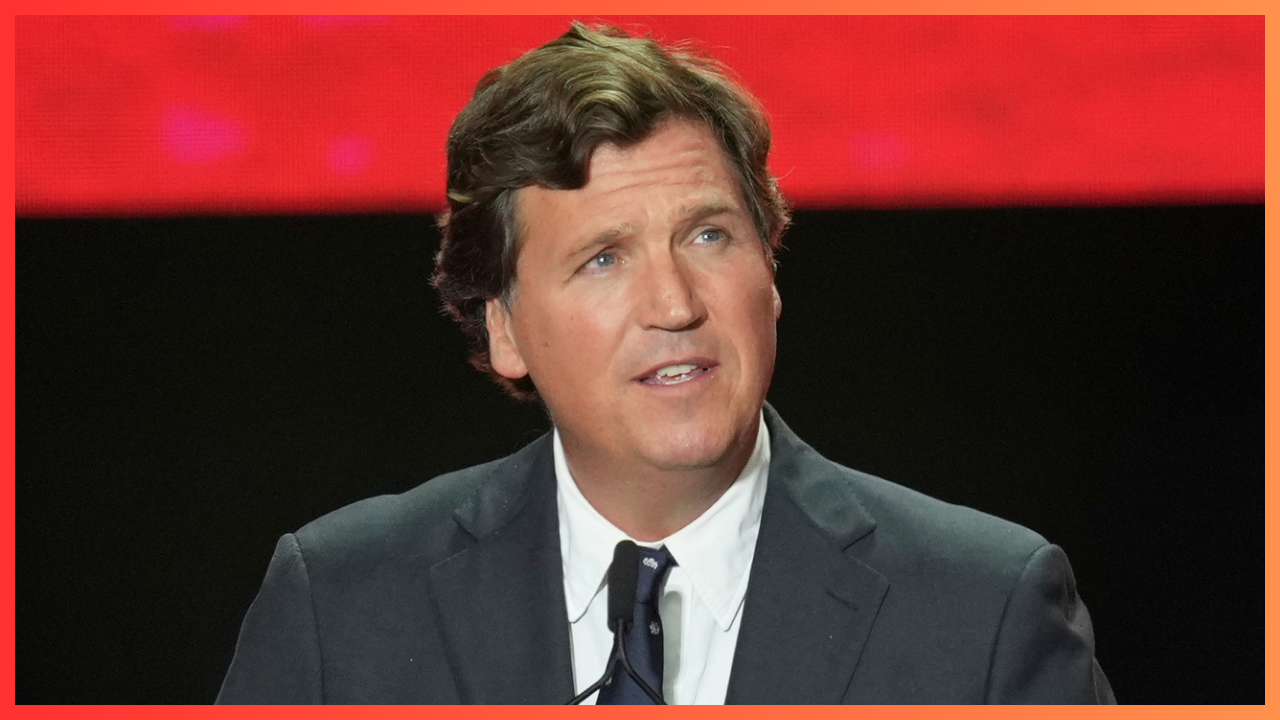
Audience Size: 8.5 | Notoriety: 8.5 | Cultural Impact: 8.0 | Wealth: 8.5 | Use of Influence: 8.0
Final Score: 41.5
Tucker Carlson continued to be one of the most influential and controversial figures in American media in 2025, redefining what it means to be a media operator in the independent era. Since departing Fox News and launching The Tucker Carlson Show, Carlson has built a formidable direct-to-audience platform that regularly drives national conversation on politics, culture, and foreign policy—often with far greater visceral impact than traditional outlets.
Carlson’s show climbed the charts in 2025, breaking into the top five on YouTube’s Weekly Top Podcast Shows ranking amid substantial attention around high-profile interviews and his criticism of U.S. foreign policy, particularly regarding the Middle East. No longer dependent on network syndication, he produces regular long-form episodes alongside “morning notes,” documentaries, and other formats under the Tucker Carlson Network umbrella—a content ecosystem that reinforces his position as a central conservative voice.
One of the most consequential moments of the year was Carlson’s October interview with Nick Fuentes, a far-right activist whose views on Jewish influence and other issues have been widely condemned. That interview ignited fierce debate within conservative ranks and helped spark a broader rift inside the movement over extremist associations and ideological boundaries—leading to significant friction within allied institutions like the Heritage Foundation that publicly defended Carlson’s right to platform Fuentes.
Beyond interviews, Carlson also expanded into documentary work. His 2025 docuseries “The 9/11 Files”—released exclusively on the Tucker Carlson Network—drew substantial attention by challenging official narratives about the September 11 attacks, introducing former intelligence officials and controversial interpretations of declassified material. Whether embraced as inquiry or dismissed as provocation, the series became a flashpoint in broader debates over truth, transparency, and institutional accountability.
Carlson’s positioning on foreign policy also distinguished him in 2025. He emerged as a prominent critic of U.S. support for Israel and broader interventionist stances—a posture that has put him at odds with establishment conservatives and drawn accusations of normalizing antisemitic tropes from civil rights groups and think tanks alike. This approach, while controversial, has reinforced his identity as a boundary-pushing commentator willing to oppose mainstream right-wing views on geopolitics, further mobilizing a faction of the right-wing audience that feels underserved by traditional media.
Carlson’s influence is not confined to conservative circles. His ability to drive media attention—whether through chart-topping podcasts, contentious interviews, or documentary releases—means that mainstream outlets frequently react to, rather than originate coverage of, his moves. This dynamic represents the broader shift in 2025’s media landscape, in which individuals with direct audience relationships can set agendas that traditional outlets feel compelled to respond to.
At the same time, Carlson’s role has become a catalyst for factional conflict within the conservative movement, contributing to public feuds with other right-wing figures and exposing ideological fractures that would have been less visible absent his platform.
In 2025, Tucker Carlson’s brand of independent, personality-driven media was both a pole of attraction and a lightning rod—drawing massive engagement and commanding attention across platforms, even as it deepened divisions in the broader political media ecosystem.
15. Stephen A. Smith

Audience Size: 8.0 | Notoriety: 8.7 | Cultural Impact: 9.0 | Wealth: 7.5 | Use of Influence: 8.8
Final Score: 42.0
Stephen A. Smith spent 2025 pushing the outer limits of what a sports media figure is allowed to be—and how far that authority can travel beyond the game. Long the loudest and most recognizable voice at ESPN, Smith used the year to further establish himself not just as a commentator, but as a cross-genre media force whose opinions increasingly shape conversations well outside sports.
At the center of his operation remains First Take, which continued to deliver elite ratings and daily dominance in sports television. Smith’s confrontational, personality-driven style remains the engine of the show, and in 2025 it proved as effective as ever at generating viral moments. Clips from First Take consistently spread across X, YouTube, and TikTok, often reaching audiences who never watch ESPN live but treat Smith’s reactions as cultural events.
What changed materially this year was Smith’s growing comfort stepping outside the sports lane. Through The Stephen A. Smith Show—distributed across digital platforms—he increasingly blended sports analysis with commentary on politics, media hypocrisy, crime, and culture. These segments routinely pulled hundreds of thousands, and in many cases millions, of views, signaling that his audience is following him, not just the subject matter.
Smith’s political commentary continued to draw disproportionate attention precisely because it violates expectations. He is not aligned cleanly with either party, and his criticisms—particularly of Democratic leadership and media elites—were frequently amplified by right-leaning outlets eager to showcase dissent from within traditionally liberal cultural spaces. That amplification expanded Smith’s reach well beyond ESPN’s typical audience.
At the business level, Smith’s leverage within ESPN became impossible to ignore. Ongoing reporting and speculation around a massive long-term contract extension underscored a simple reality: ESPN does not currently have another personality capable of anchoring its daytime identity the way Smith does. In an era where networks struggle to produce stars, Smith remains irreplaceable.
From a media-industry perspective, Stephen A. Smith exemplifies the post-specialization era. He no longer functions solely as a sports analyst, but as a personality whose authority is portable. His voice carries because audiences feel they know him—his instincts, his biases, his temperament—and that familiarity translates across topics.
Stephen A. Smith’s influence in 2025 was not about ideological leadership or narrative control. It was about attention gravity. Wherever he directs his energy, the conversation tends to follow—and that ability makes him one of the most powerful figures in modern media, whether ESPN likes it or not.
14. Lionel Messi
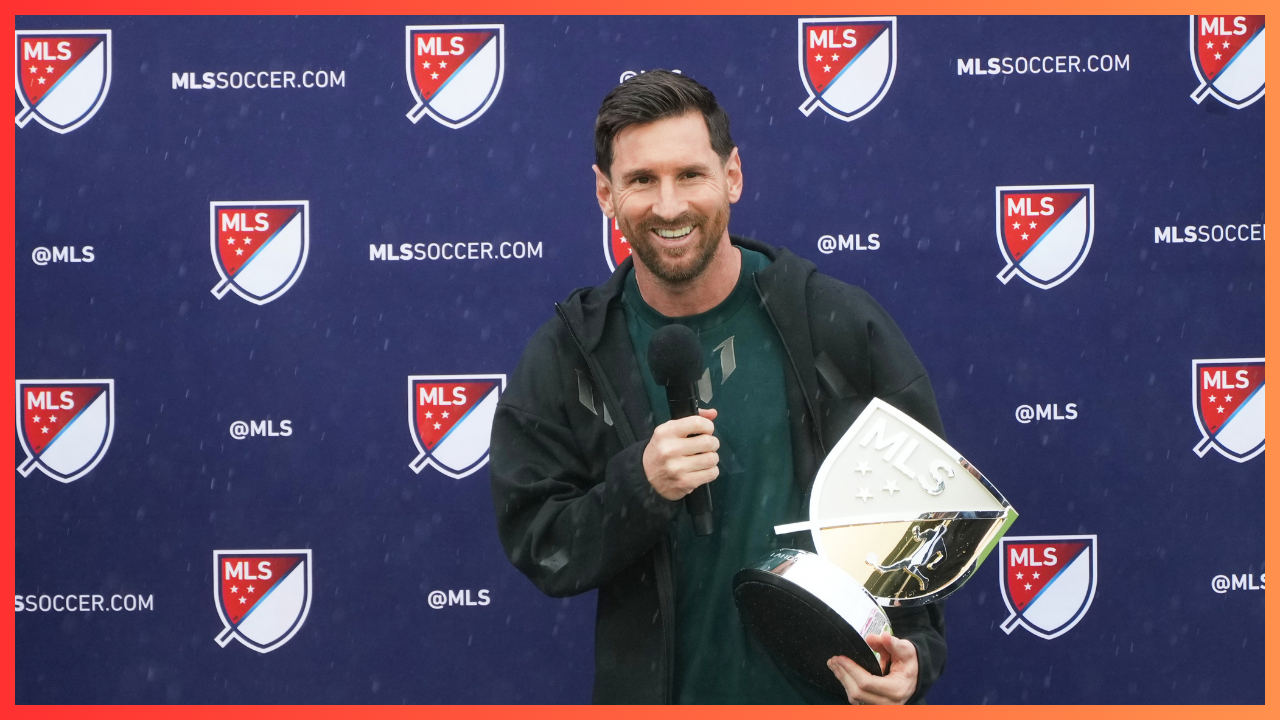
Audience Size: 10.0 | Notoriety: 10.0 | Cultural Impact: 8.5 | Wealth: 8.8 | Use of Influence: 5.0
Final Score: 42.3
Lionel Messi continued to redefine how athletes generate and shape global media narratives in 2025—not through shouting headlines, but by remaining one of the most compelling, transcendent figures in sports and culture. Even at age 38, his actions on and off the field drove attention patterns across platforms, created worldwide events, and propelled conversations that extended far beyond soccer.
Messi’s on-field excellence remained central to his media impact. In the 2025 Major League Soccer season, he not only dominated statistical charts—with 29 goals and 19 assists for Inter Miami—but became the first player in MLS history to win the Landon Donovan MVP award in back-to-back seasons and was named MLS Cup MVP after leading Miami to its first league title. His playoff performance set records with 15 combined goals and assists.
Those achievements translated into massive media coverage across sports networks, social feeds, and global press cycles—a rare feat in a sport often dominated by European leagues. Messi’s sustained excellence at a late stage in his career kept him relevant not just to existing fans but to new audiences tuning in specifically to watch an all-time great continue to break norms.
Messi’s influence wasn’t limited to match highlights. His “G.O.A.T. India Tour”, a December promotional and fan engagement tour spanning Kolkata, Hyderabad, Mumbai, and New Delhi, became a major global story—both for the enthusiasm it generated and the controversy it sparked when crowd management failures led to unrest at the Salt Lake Stadium event. Coverage of the tour trended internationally, illustrating how Messi’s presence alone could dominate news cycles even without a sporting fixture.
On social platforms, Messi remains one of the most followed individuals globally, with hundreds of millions of followers whose engagement turns simple posts into expansive conversation. That reach ensures his narrative threads—whether on achievements, tours, or endorsements—are amplified far beyond traditional sports reporting.
Messi’s media resonance also carries economic impact. Analysts estimate his presence in MLS has generated billions in economic activity—boosting ticket sales, merchandise revenue, subscriptions to streaming services like Apple TV+ for MLS Season Pass, and overall league visibility. In effect, he turned a league struggling for international attention into a content centerpiece for broadcasters and platforms alike.
Off the pitch, Messi’s brand power remains extraordinary. The announcement of a planned statue at Spotify Camp Nou by FC Barcelona’s leadership reinforced his enduring legacy and ensured another major media moment as clubs and fans revisit his iconic career.
His sustained relevance also shaped narratives about the 2026 FIFA World Cup, with pundits and former players discussing whether he would once again lead Argentina on the sport’s biggest stage—keeping Messi in conversation not just for what he’s done, but for what he might yet achieve.
Messi’s 2025 media impact flows from a rare blend of sporting genius, cultural gravitas, and audience devotion. He did not chase headlines; he created them by staying at the center of the sport’s biggest moments and by being a figure whose personal and professional journey continues to captivate a global audience.
13. Dana White
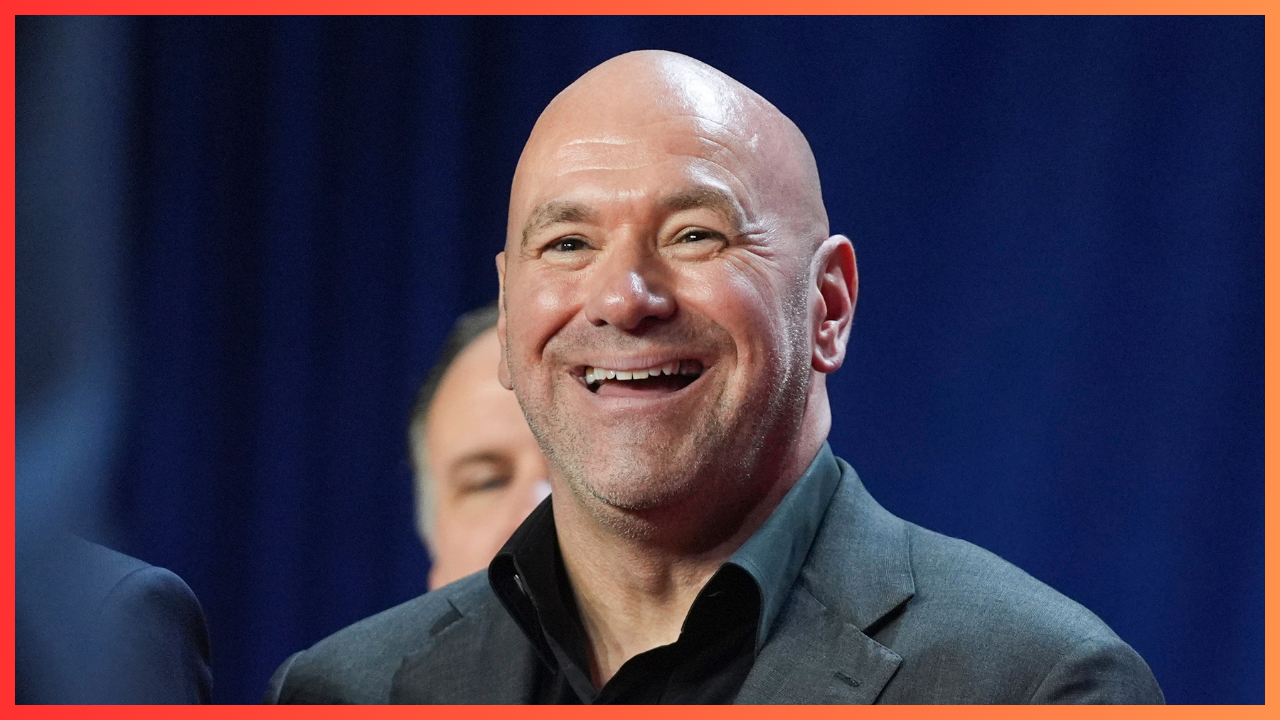
Audience Size: 8.0 | Notoriety: 8.8 | Cultural Impact: 9.0 | Wealth: 9.0 | Use of Influence: 8.0
Final Score: 42.8
Dana White’s media power in 2025 came from his ability to turn spectacle into signal—and to fuse sports, politics, and culture into a single, unavoidable brand. As CEO of the UFC, White continued to demonstrate that combat sports are no longer just entertainment; they are a media platform with cultural and political reach that rivals major networks.
The UFC’s content machine remained relentless. Fight cards, press conferences, weigh-ins, and post-fight moments continued to dominate YouTube, X, and short-form platforms, often outperforming traditional sports highlights. White himself remains central to that ecosystem. His blunt, unscripted media presence—whether at pressers or in interviews—functions as a recurring content event, reinforcing the UFC’s identity as raw, anti-corporate, and immune to the tone-policing that has diluted other leagues.
What elevated White’s influence this year, however, was his willingness to lean fully into symbolic spectacle. The announcement that the UFC plans to stage a fight at the White House in 2026, tied to the country’s 250th birthday, instantly became one of the most discussed sports-media stories of the year. The idea alone—cage fighting on the South Lawn—collapsed distinctions between sport, patriotism, and political theater in a way no other league could plausibly attempt.
The announcement rippled far beyond MMA circles. Political commentators, cultural critics, and international outlets all weighed in, turning a hypothetical event into a global conversation about American identity, power, and entertainment. From a media standpoint, that reaction was the point. White didn’t need the fight to happen yet—he needed the image to exist.
White’s close alignment with Donald Trump further amplified his reach. Appearances at political events, public endorsements, and personal rapport with Trump have made White a recurring character in political media, not just sports coverage. That crossover appeal has helped the UFC reach audiences that traditional leagues increasingly struggle to engage, particularly young men who view the sport as more authentic than sanitized professional athletics.
From an industry perspective, Dana White represents media authority without mediation. He does not rely on leagues, commissioners, or PR filters. His directness is part of the product, and the UFC’s success suggests that audiences reward that clarity—even when they disagree.
Dana White’s influence in 2025 wasn’t about individual fights or fighters. It was about scale, symbolism, and ownership of spectacle. By positioning the UFC as both a cultural export and a patriotic statement, White reinforced the idea that in modern media, attention belongs to those bold enough to merge entertainment with identity—and unapologetic enough to own the backlash.
12. Bad Bunny

Audience Size: 9.5 | Notoriety: 9.2 | Cultural Impact: 9.1 | Wealth: 7.2 | Use of Influence: 8.0
Final Score: 43.0
Bad Bunny’s media influence in 2025 was driven by something increasingly rare in global entertainment: sustained dominance across language, platform, and geography. While many pop stars spike and fade with release cycles, Bad Bunny continued to function as a constant—one of the few artists whose presence alone reliably bends charts, algorithms, and cultural conversation.
On Spotify, his performance remained staggering. Throughout the year, Bad Bunny consistently ranked among the most-streamed artists globally, with multiple tracks charting simultaneously across regional and worldwide Top 50 lists. His catalog continued to post billions of cumulative streams, and new releases reliably debuted at or near the top of Spotify’s global charts, reinforcing his position as one of the platform’s most dependable traffic drivers. In practical terms, Bad Bunny is not just a beneficiary of Spotify’s ecosystem—he is one of the artists the ecosystem is built around.
What makes that dominance especially notable is that it does not rely on crossover dilution. Bad Bunny has remained unapologetically Spanish-language and culturally specific, yet his reach cuts across borders more effectively than most English-language pop acts. That dynamic has reshaped assumptions inside the music industry about what “global” success actually requires, forcing labels, platforms, and advertisers to recalibrate around Latin audiences as a primary market rather than a niche.
In 2025, Bad Bunny’s media gravity also expanded beyond music releases into event-based relevance. The announcement that he will be part of the Super Bowl halftime show in 2026 marked a symbolic milestone—not just for his career, but for the broader legitimization of non-English-language artists on the biggest stage in American media. The Super Bowl remains one of the last truly monocultural events, and Bad Bunny’s inclusion signals a recognition that the center of pop culture has shifted.
That upcoming performance has already had downstream media effects. Coverage, speculation, and brand alignment around the 2026 Super Bowl began earlier than usual, with Bad Bunny’s involvement driving engagement across sports, music, and mainstream outlets. Few artists can generate that level of anticipatory attention a full year out.
From a media-industry perspective, Bad Bunny represents platform-native superstardom. His success is inseparable from streaming, social distribution, and global fan communities that move faster than traditional promotion cycles. He does not need late-night television or radio dominance to remain relevant; his audience meets him where they already live.
Bad Bunny’s influence in 2025 was not about controversy or reinvention—it was about scale, consistency, and inevitability. When he releases music, the charts move. When his name is attached to an event, the audience expands. And as the Super Bowl approaches, it’s clear that his role in shaping global media culture is no longer emerging—it’s established.
11. Jeff Bezos
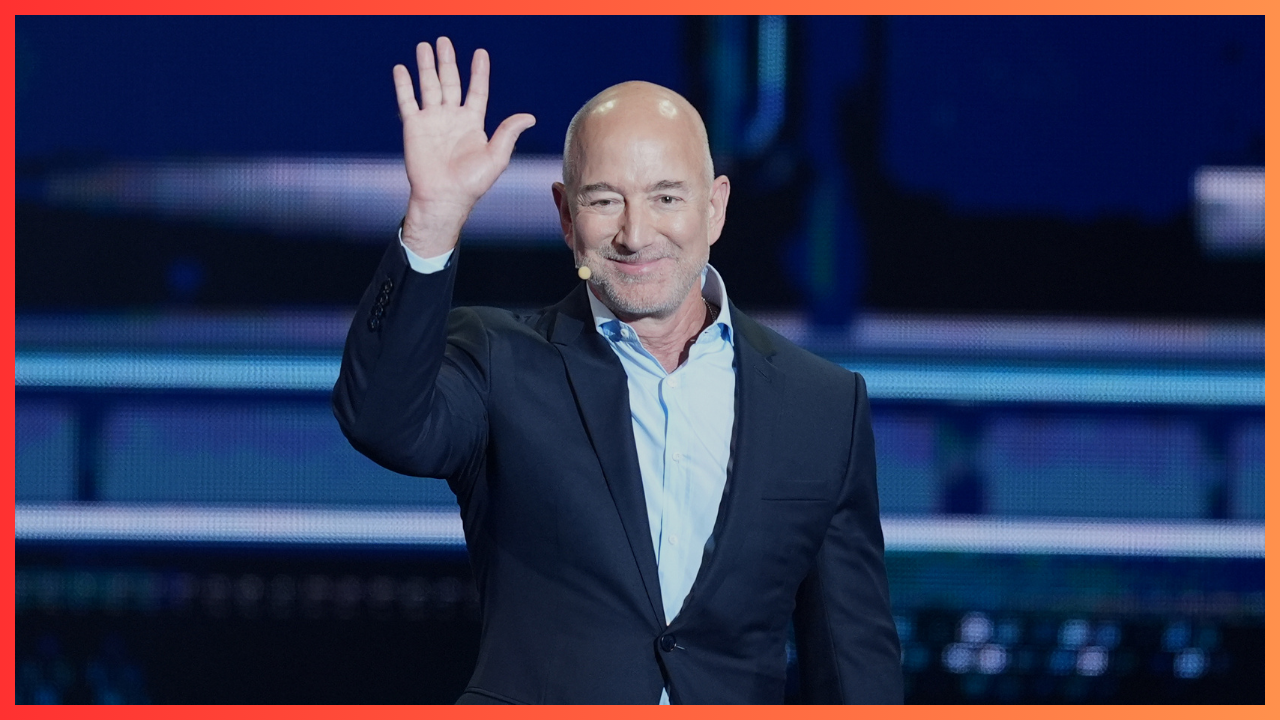
Audience Size: 8.0 | Notoriety: 9.8 | Cultural Impact: 7.5 | Wealth: 9.9 | Use of Influence: 8.0
Final Score: 43.2
If Elon Musk spent 2025 tearing down the old media order in public, Jeff Bezos spent the year testing whether it could still be rebuilt—quietly, methodically, and on his own terms.
As the owner of The Washington Post, Bezos continued to occupy one of the most unusual positions in modern media: a largely hands-off proprietor whose personal power dwarfs the institution he controls. Yet in 2025, that imbalance became the story. With legacy outlets hemorrhaging trust, revenue, and cultural relevance, the Post’s survival increasingly reflected Bezos’ long-term vision rather than the instincts of its newsroom.
The most consequential signal came from what didn’t happen. Throughout the year, the Post maintained a noticeably restrained editorial posture compared to its peers, avoiding the fever-pitch partisan tone that had defined much of the Trump-era press. Whether by design or by evolution, the paper positioned itself less as an activist institution and more as a legacy authority attempting to reclaim credibility in an era hostile to it.
Behind the scenes, Bezos continued to view media as a systems problem rather than a purely editorial one. Investments in technology, data analytics, and audience optimization remained central to the Post’s strategy, reflecting his belief that journalism’s future depends as much on infrastructure and distribution as on reporting itself. In an attention economy dominated by platforms, Bezos treated news not as a moral product, but as a competitive one.
At the same time, Bezos’ broader media footprint expanded well beyond newspapers. Through Amazon, he continued to exert enormous influence over streaming, advertising, and content delivery. Prime Video’s global reach, combined with Amazon’s dominance in cloud computing via AWS, positioned Bezos at a critical junction between content creation and content distribution—often powering competitors and partners alike.
Yet unlike Musk, Bezos largely avoided becoming a protagonist in the daily media cycle. His absence was strategic. By declining to posture publicly, he preserved optionality: the ability to influence media quietly without becoming the story himself. In 2025, that restraint stood in stark contrast to the performative visibility of other media titans.
Still, the impact was undeniable. Bezos remains one of the last individuals capable of sustaining a national newspaper at scale, subsidizing credibility while the business model of journalism continues to fracture. Whether that project ultimately succeeds or fails, it has reshaped expectations for what media ownership looks like in the post-mass-media age.
In a year defined by noise, Jeff Bezos represented the opposite approach to media power: patient, structural, and largely invisible. He did not command attention—he attempted to stabilize the institutions that once controlled it.
And in 2025, that made him one of the most consequential media figures in the world, whether the public noticed or not.
10. Charlie Kirk
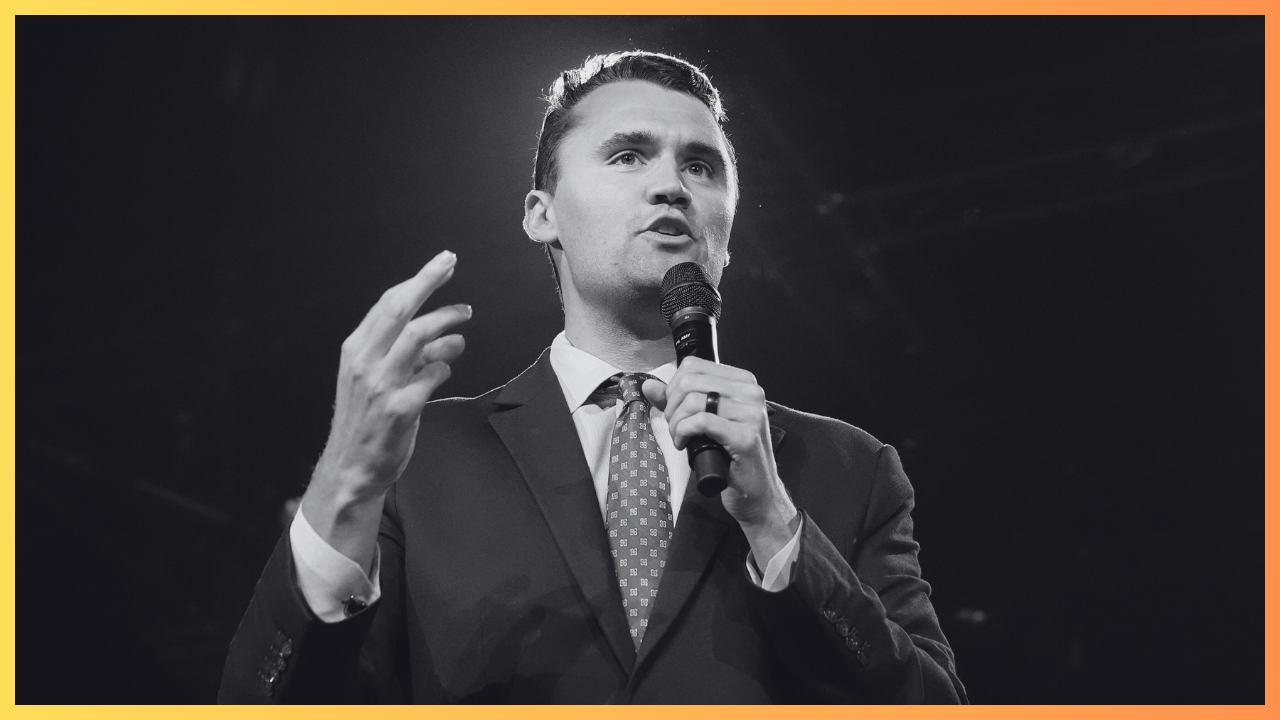
Audience Size: 8.2 | Notoriety: 9.5 | Cultural Impact: 9.9 | Wealth: 6.8 | Use of Influence: 9.5
Final Score: 43.9
Charlie Kirk’s 2025 media legacy is one of dramatic amplification through tragedy: the founder of Turning Point USA and one of the most polarizing conservative voices of the decade was assassinated at age 31 on September 10, 2025, while speaking at a Turning Point event at Utah Valley University in Orem, Utah. The shot that killed him was fired from a rooftop during a crowded public appearance, and authorities later charged a suspect with aggravated murder in connection with the attack.
Kirk’s death immediately became one of the defining media events of the year, topping Google’s list of most-searched stories in the United States for 2025—a rare feat for any person, let alone a political activist. What would have been a breaking news moment for any public figure instead rippled through culture, politics, and media ecosystems with an intensity that few deaths in modern American life ever have.
In the immediate aftermath, Turning Point USA organized massive public ceremonies, including a memorial service attended by tens of thousands and featuring speeches from prominent conservative leaders. His widow, Erika Kirk, took the helm of the organization and has aggressively framed his death as a catalyst for expanding what had been a youth outreach operation into a multifaceted movement. Growth in the organization’s religious and grassroots arms has been widely reported, indicating that his base has mobilized around both mourning and mission.
The assassination’s media impact was twofold. First, coverage of the event and its bizarre, highly visual circumstances dominated news cycles across outlets of all ideological stripes, turbocharging awareness of Kirk’s life and ideas far beyond his prior reach. Second, social media became a battleground over meaning. While many condemned the act outright, others used the incident to stoke fears about political violence and threats to free speech, extending coverage with sensational and sometimes unfounded narratives that drove views and engagement.
Conservative media in particular treated Kirk’s death as a martyrdom moment—both rhetorically and commercially. His name, image, and trademark phrases were repurposed in promotional materials, memorial merchandise, and political messaging, ensuring that every news cycle that referenced him also reinforced the movements he once led. That dynamic has helped keep Turning Point USA at the center of conservative youth engagement even months after his passing.
Some analysts argue that Kirk may now accomplish more for his movement in death than in life—not because his ideas are new, but because his assassination crystallized them into symbol and story. His accelerated rise in search and coverage has forced mainstream media to repeatedly summarize his views, giving exposure that would have been difficult to achieve in normal political cycles. In doing so, Kirk’s death has served as both a rallying point for allies and a cautionary tale for critics about the volatility of modern political discourse.
At the same time, the highly charged response has fractured parts of the media ecosystem, with disputes over commemoration, exploitation, and the ethics of coverage. Even within conservative circles, visuals like displays recreating the scene of his death sparked backlash over tone and respect, illustrating that his legacy remains contested even among friends.
In the media landscape of 2025, Charlie Kirk’s assassination was not just a news event—it became a narrative engine that powered weeks of coverage, drove fundraising and recruitment, and forced national conversation about political violence, martyrdom, and media framing in a way few individuals ever have.
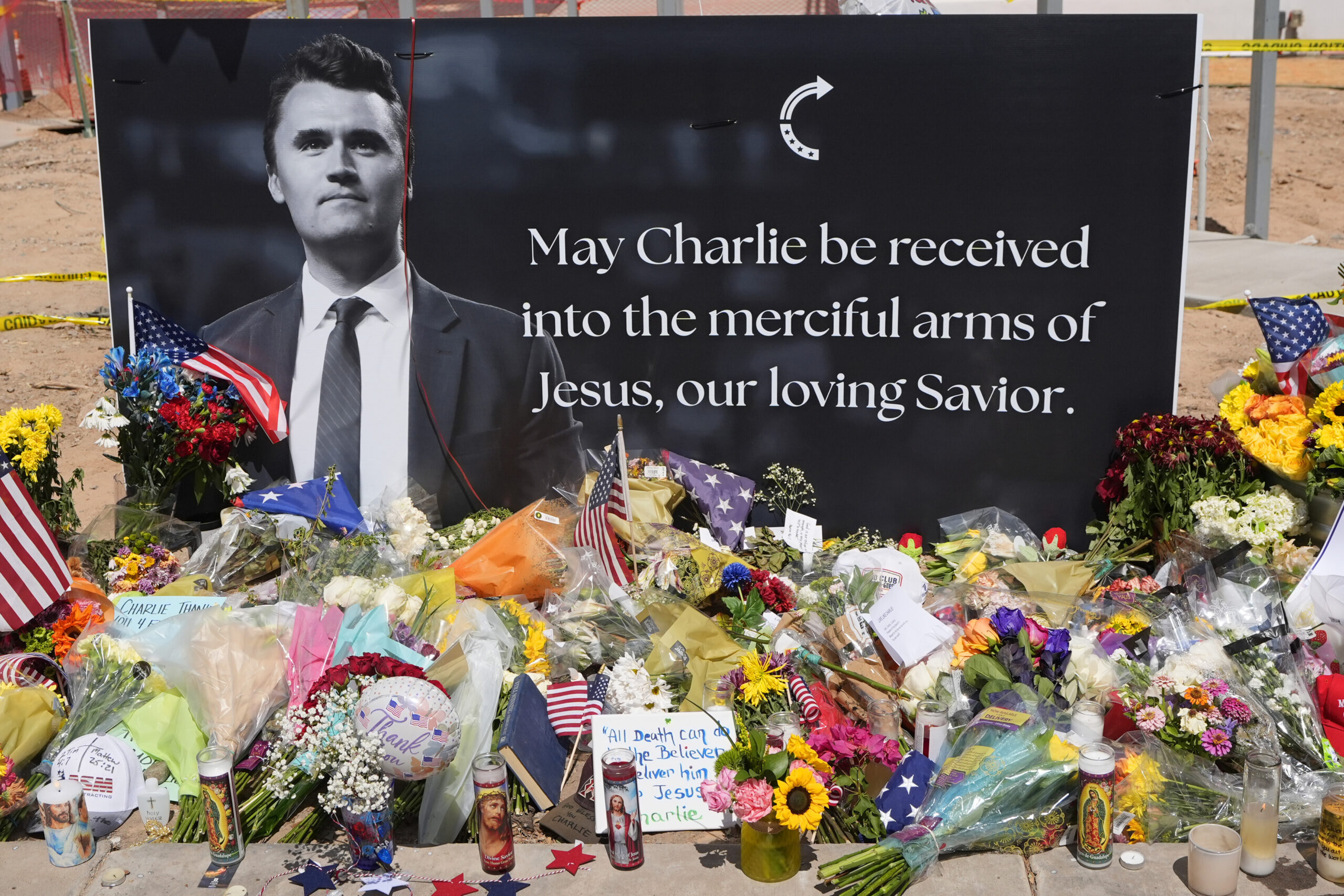
9. Taylor Swift
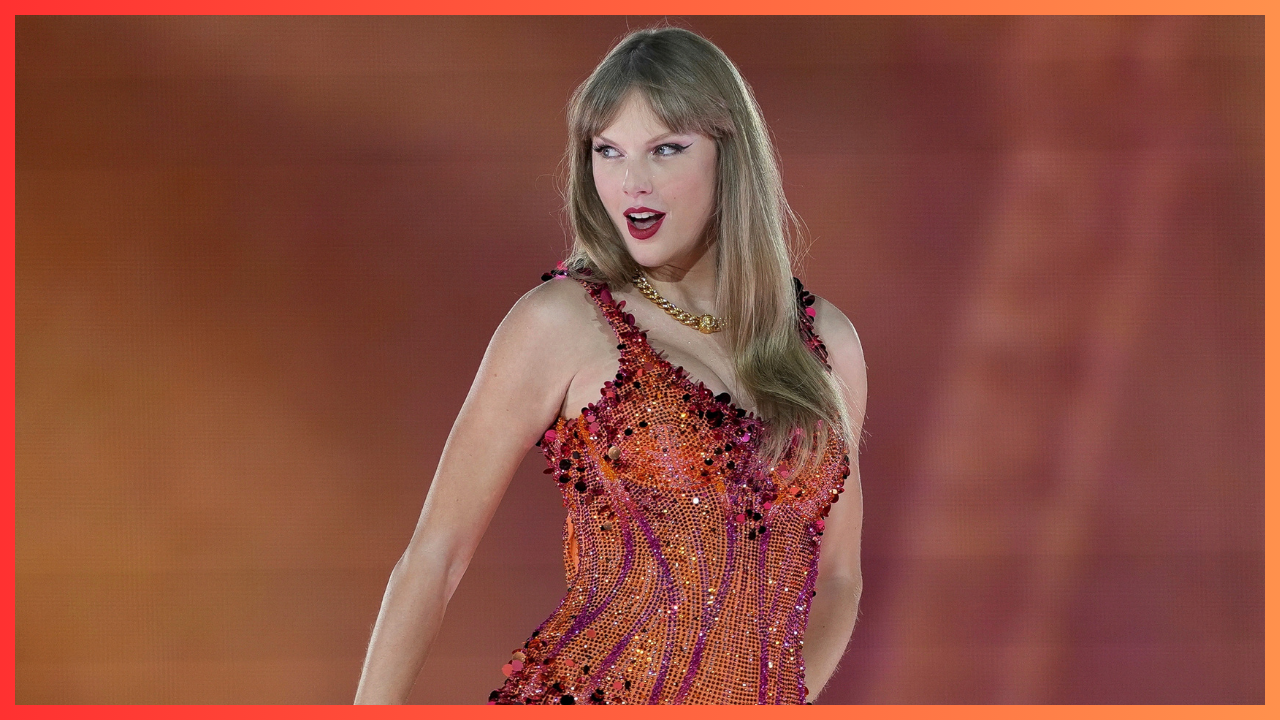
Audience Size: 10.0 | Notoriety: 9.9 | Cultural Impact: 9.0 | Wealth: 9.0 | Use of Influence: 6.0
Final Score: 43.9
By the end of 2025, it was no longer debatable whether Taylor Swift was simply a music superstar who occasionally influenced culture. She had become one of the most powerful media ecosystems on the planet—one capable of moving markets, dominating platforms, and bending the attention economy around her release schedule.
While Swift’s artistic output remained central to her brand, her true dominance in 2025 lay in how she controlled distribution, narrative, and audience behavior with a precision that legacy media companies could only envy. Every announcement, lyric tease, and surprise appearance functioned as a coordinated media event, generating global coverage without reliance on traditional press cycles.
Swift’s direct-to-fan model continued to mature this year. Through social media, controlled leaks, Easter eggs, and platform-native storytelling, she bypassed intermediaries and turned her audience into an unpaid—but highly disciplined—distribution army. News did not break about Taylor Swift; it broke from her. Algorithms followed accordingly.
Her presence across platforms remained unmatched. Swift-related content dominated TikTok trends, Spotify charts, YouTube recommendations, and X discourse throughout the year, often simultaneously. Even during periods without new music, fan-driven content sustained engagement at levels comparable to major news events. In 2025, Swift did not merely benefit from algorithms—she trained them.
Crucially, Swift also demonstrated an acute understanding of media silence. Strategic absences, selective interviews, and tightly controlled messaging amplified demand rather than diminishing it. In a media environment saturated with overexposure, her restraint became a competitive advantage.
Though her political influence had proven more limited than some expected in prior cycles, Swift’s cultural gravity remained unquestioned. News outlets continued to frame unrelated stories through her orbit—sports broadcasts, election coverage, and economic reporting all periodically bent toward Swift-adjacent narratives, whether relevant or not. The machine followed the attention.
From concert films to exclusive streaming drops, Swift’s willingness to experiment with format and platform reinforced a broader industry truth: artists who own their audience no longer need traditional media to scale. They are the media.
In 2025, Taylor Swift didn’t just dominate headlines. She dictated when they happened, how they spread, and how long they lasted.
For an industry still chasing relevance in a fractured attention economy, Swift remained the clearest proof that media power now belongs to those who can command loyalty—not just visibility.
8. Logan Paul
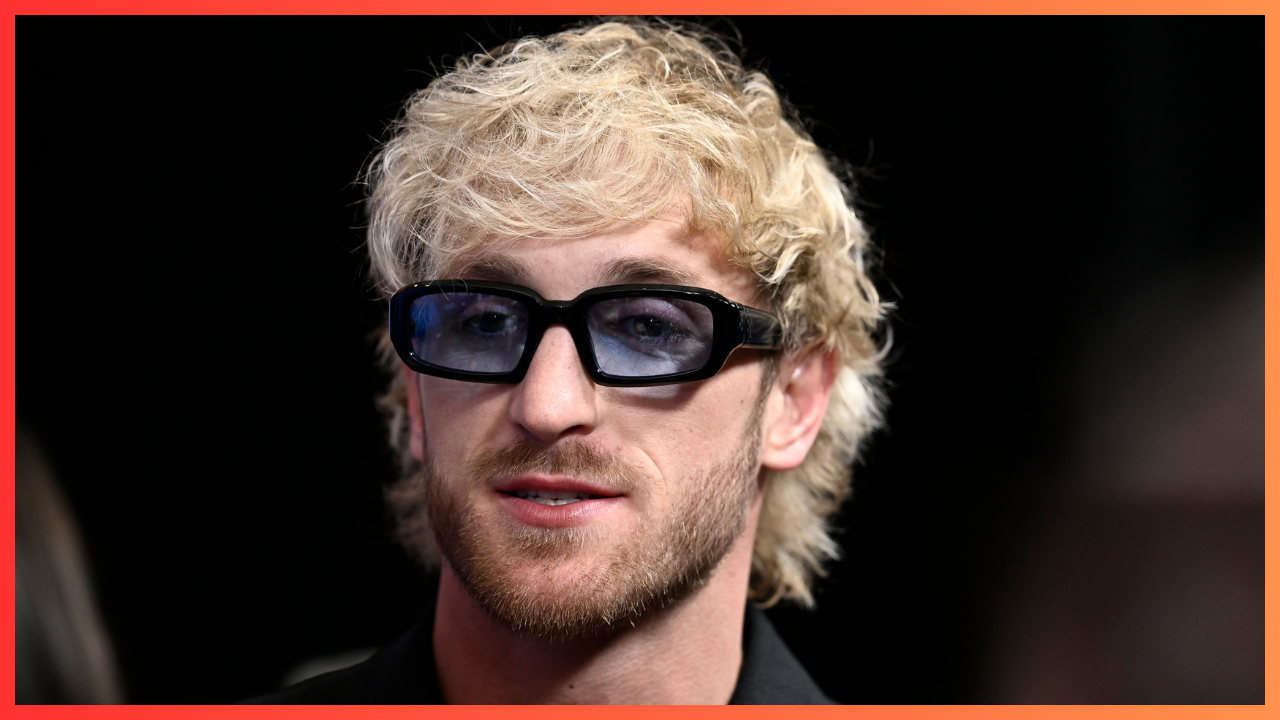
Audience Size: 9.0 | Notoriety: 9.2 | Cultural Impact: 8.7| Wealth: 8.2 | Use of Influence: 9.0
Final Score: 44.1
Logan Paul’s media influence in 2025 was defined by versatility. Where his brother specializes in singular spectacle, Logan has built a multi-lane media operation that touches podcasting, sports entertainment, consumer products, and mainstream culture—often simultaneously.
At the center of that operation remains Impaulsive, which continued to rank among the most listened-to video podcasts across YouTube and audio platforms. The show’s format—long-form conversations mixed with internet-native banter—has allowed Logan to move fluidly between guests from politics, sports, and entertainment, generating episodes that routinely pull millions of views and drive secondary coverage well beyond the podcast ecosystem.
Logan’s role in WWE further expanded his media footprint in 2025. Unlike celebrity cameos that feel transactional, Paul’s presence in professional wrestling has been treated as legitimate programming. His matches, promos, and storylines consistently generated viral moments and strong viewership, positioning him as one of WWE’s most effective crossover talents and reinforcing the idea that modern entertainment rewards personalities who can travel across formats.
Beyond performance, Logan continued to operate as a brand architect. His involvement with Prime remained one of the clearest examples of influencer-led consumer power at scale. The brand’s visibility—fueled by constant organic placement across social media, sports broadcasts, and live events—blurred the line between advertising and content, turning Logan himself into a walking distribution channel.
Logan also demonstrated increasing comfort operating inside mainstream systems without being absorbed by them. Whether appearing on network television, negotiating with major leagues, or collaborating with traditional brands, he maintained control over tone and narrative, avoiding the dilution that often follows creator-to-mainstream transitions.
From a media-industry perspective, Logan Paul represents the normalized future of influence. He is no longer framed primarily as a disruptor or controversy magnet, but as an operator—someone who understands how attention moves between platforms and how to capture it at each step.
In 2025, Logan Paul didn’t chase reinvention. He refined his position as a connector between internet culture and institutional entertainment, proving that influence today is not about choosing one lane—but about owning the intersections between them.
7. Jake Paul
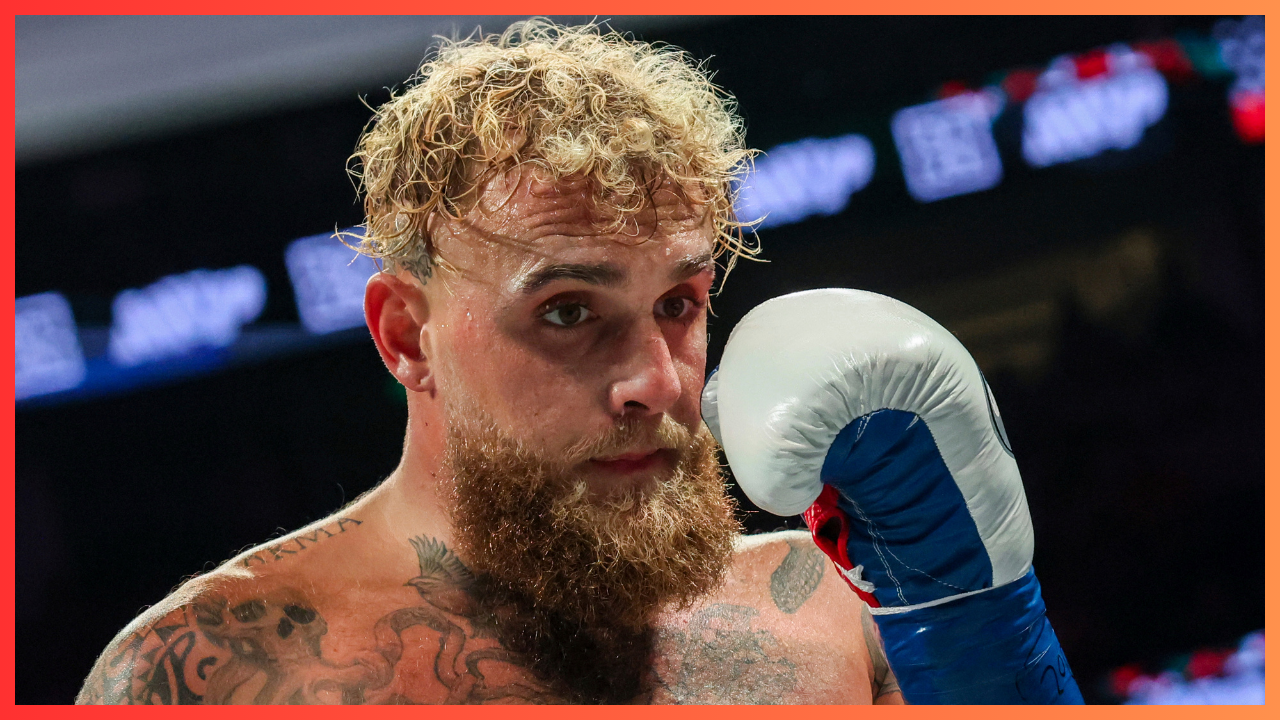
Audience Size: 8.8 | Notoriety: 9.0 | Cultural Impact: 9.4 | Wealth: 8.0 | Use of Influence: 9.0
Final Score: 44.2
Jake Paul’s media influence in 2025 was built on a simple but still controversial premise: boxing is no longer the product—attention is. And few figures understand how to manufacture attention at scale better than Paul.
Throughout the year, Jake Paul continued to position himself as the most disruptive force in combat-sports media, not by winning universal respect from purists, but by forcing the industry to follow his rules. His fights were treated less like athletic contests and more like cultural events—engineered through social media buildup, adversarial press cycles, and narrative-driven promotion that reliably translated into massive viewership.
Paul’s content ecosystem remained the backbone of this strategy. Training footage, behind-the-scenes clips, trash talk, and documentary-style storytelling flowed constantly across YouTube, Instagram, TikTok, and X, turning each fight into a months-long media arc. By the time a bell rang, audiences felt invested not just in the outcome, but in the spectacle itself.
In 2025, Paul also continued refining his role as a boxing entrepreneur, not merely a participant. Through his promotional ventures, he leaned into fighter advocacy, pay transparency, and event control—positioning himself as both talent and executive. That dual role allowed him to bypass traditional boxing gatekeepers and speak directly to fans, fighters, and sponsors, often framing himself as a reformer in an industry resistant to change.
Critics remained vocal. Questions about opponent selection, competitive legitimacy, and long-term credibility followed Paul throughout the year. But from a media-impact standpoint, those critiques often functioned as fuel. Every backlash cycle generated additional coverage, reaction content, and debate—keeping Paul at the center of sports discourse even when he wasn’t fighting.
What makes Jake Paul particularly influential is that he has decoupled relevance from approval. He doesn’t need consensus respect to succeed. He needs engagement, polarization, and visibility—and he consistently delivers all three. In doing so, he has reshaped how younger audiences understand boxing, introducing a generation to the sport through personality-driven narratives rather than legacy titles.
By 2025, Jake Paul had proven something the sports media world can no longer ignore: you don’t need to be the best boxer to control boxing’s biggest moments. You just need to control the audience.
6. MrBeast
Audience Size: 10.0 | Notoriety: 9.5 | Cultural Impact: 8.6 | Wealth: 9.0 | Use of Influence: 8.0
Final Score: 45.1
Jimmy Donaldson does not make “content” in the traditional sense. He runs a vertically integrated attention factory—and in 2025, that factory scaled to a level no individual creator had ever reached before.
MrBeast entered the year already sitting atop YouTube, but what separated him in 2025 was not subscriber count alone—it was operational dominance. His main channel continued to pull in billions of views annually, while his extended ecosystem—Beast Philanthropy, Beast Gaming, Feastables, and large-scale streaming partnerships—functioned less like side projects and more like divisions inside a modern media conglomerate.
Audience metrics remained staggering. MrBeast retained his position as the most-subscribed individual creator on YouTube, adding tens of millions of new subscribers across his channels throughout the year. Individual uploads routinely crossed 100 million views, and several releases became platform-wide events, forcing algorithmic re-prioritization across the site.
But the real shift in 2025 was how MrBeast professionalized spectacle. His productions now rivaled—and in some cases surpassed—network television in budget, complexity, and global reach. Episodes functioned as self-contained media moments, blending game shows, philanthropy, reality TV, and viral engineering into a repeatable format that competitors have struggled to replicate.
Behind the scenes, Donaldson continued refining the data-driven approach that has long separated him from other creators. Titles, thumbnails, pacing, and retention curves were treated with near-scientific precision, turning YouTube itself into a lab for optimizing human attention. In an industry still debating what “algorithm-friendly” means, MrBeast wrote the instruction manual.
Commercially, his model matured further. Brand integrations became seamless, Feastables expanded its retail footprint, and MrBeast proved—again—that creators who control distribution can out-earn traditional studios without sacrificing ownership. His content didn’t interrupt advertising; it was the advertising.
Critics continued to question the sustainability and ethics of ultra-high-stakes content, especially as production scale increased. But those debates only reinforced Donaldson’s position at the center of the media conversation. Love him or hate him, everyone building for YouTube now measures success against the MrBeast benchmark.
While legacy media spent 2025 chasing younger audiences, MrBeast simply owned them—globally, algorithmically, and at scale.
Honorable Mentions:
Before we reveal our Top 5, here are a few other names worthy of recognition for their contributions to the world of media:
- 50 Cent: 50 Cent leveraged cultural scandal into serialized media dominance, using his Diddy-focused documentary and social rollout to dictate coverage rather than react to it. His ability to turn personal rivalry into mass attention reinforced his status as one of entertainment’s most instinctive media tacticians.
- Ana Kasparian: Ana Kasparian became one of the most talked-about ideological figures on the left by breaking from progressive orthodoxy in public and in real time. Her role as host on Her Take, her work with The Young Turks, and her high-profile debates turned intellectual defection into a form of media relevance.
- Dave Smith: Dave Smith continued building a loyal, cross-ideological audience through long-form argument rather than outrage. His consistency and refusal to align with institutional power made him a trusted voice for audiences disillusioned with partisan media.
- David Zaslav: David Zaslav’s influence stemmed from dismantling and selling legacy media assets rather than preserving them. His stewardship of Warner Bros. Discovery underscored a brutal but clarifying truth of 2025: scale alone no longer guarantees survival.
- Harry Enten: Harry Enten remained one of the few polling analysts audiences across the spectrum still trusted. His calm, data-first explanations cut through media hysteria during an otherwise volatile political year.
- Lara Trump: Lara Trump continued to establish herself as more than a political surname, translating campaign-world messaging into polished media performance. Her comfort on camera and credibility with conservative audiences kept her relevant beyond election cycles.
- Mel Robbins: Mel Robbins maintained her dominance in motivational media by delivering highly shareable, evergreen content across podcasts and platforms. Her success highlighted the enduring demand for clarity and structure amid cultural noise.
- Ms. Rachel: Ms. Rachel remained one of the most influential figures in children’s digital media, commanding enormous reach and parental trust. Even brief controversy failed to dent her standing, underscoring the power of non-political cultural saturation.
- Neal Mohan: As CEO of YouTube, Neal Mohan quietly shaped what content thrived and what disappeared. His decisions around monetization and creator tools continued to influence the entire media ecosystem downstream.
- Nick Fuentes: Nick Fuentes’ persistence despite years of deplatforming illustrated how ideological movements now survive through fragmentation rather than scale. His continued relevance reflected the limits of institutional suppression in a decentralized media world.
- Shou Zi Chew: Shou Zi Chew spent the year defending TikTok’s legitimacy on the global stage while its cultural influence only deepened. His composed media presence helped stabilize the platform amid constant political pressure.
- Steven Bartlett: Steven Bartlett expanded his influence by blending entrepreneurship, vulnerability, and long-form conversation on Diary of a CEO. His appeal lay in aspiration without overt ideology, particularly among younger audiences.
- Ted Sarandos: Ted Sarandos continued steering Netflix through industry consolidation by betting on scale, live events, and global content. His strategy kept Netflix central even as the streaming market matured and narrowed.
- Zohran Mamdani: Zohran Mamdani’s media presence outpaced his political role, driven by viral moments and podcast appearances. His fluency in internet-native language made him a standout voice within progressive media spaces.
5. Joe Rogan
Audience Size: 9.0 | Notoriety: 9.4 | Cultural Impact: 9.8 | Wealth: 8.6 | Use of Influence: 9.2
Final Score: 46.0
Few media figures in the modern era have shaped how content is produced, distributed, and consumed as effectively as Joe Rogan. As the host of The Joe Rogan Experience, he has forced the media industry to reckon with podcasting not as a niche format, but as a primary arena for national discourse, culture, and agenda setting.
Rogan’s show achieved a historic milestone in 2025, topping charts simultaneously on Spotify, Apple Podcasts, and YouTube—a first of its kind and a clear signal that long-form conversation has carved its own dominant space in a media landscape once ruled by quick clips and headlines.
The Joe Rogan Experience held the top spot in podcast rankings throughout 2025, frequently listed as the #1 show in Edison Research’s quarterly reports and year-end charts. This broad success reflects not just loyalty on one platform, but cross-platform reach—a rare achievement that shows Rogan’s format has become a universal media commodity rather than a siloed niche.
The show’s cross-platform distribution was a key strategic shift in 2025. After years as a Spotify exclusive, Rogan’s contract was renegotiated to allow the podcast to stream on multiple major platforms, including Apple Podcasts, YouTube, and Amazon Music. This transition broke the constraints that once kept the program behind a single distributor and turned it into a ubiquitous media presence—a distribution model that many creators now see as the future of creator economics.
Audiences consistently rank Rogan’s show not just as entertainment but as a meaningful news and cultural source. In fact, a 2025 media survey found that among Republicans, The Joe Rogan Experience was cited as a regular news source by a significant portion of listeners, illustrating how his format has moved from personality podcasting into the sphere of public information.
Rogan’s blend of long-form dialogue, controversial guests, and unfiltered commentary has repeatedly shifted broader conversations. Episodes with public figures—whether comedians criticizing presidential behavior or commentators linking internet fame to political viability—have become reference points for traditional news outlets and social media discourse alike.
What makes Rogan especially influential is his format innovation: his unorthodox three- to four-hour conversations allow subjects to be explored with depth unheard of in most mainstream media. That style has normalized long-form discussion at scale, showing that audiences still crave nuance and texture over soundbite culture. His show regularly features guests from disparate spheres—UFC fighters, scientists, comedians, and politicians alike—making it a boundary-free arena where ideas echo far beyond the episode itself.
Rogan’s prominence has also pressured rival platforms and traditional newsrooms to adapt. His success helped accelerate the industry’s embrace of podcasting and video podcasts as primary formats rather than experimental add-ons. Platforms now fight for visibility in the same way they once competed for TV ratings, a dynamic Rogan helped catalyze simply by proving that audio-video conversation could command mainstream reach and cultural weight.
Even when other viral events temporarily eclipse him, Rogan’s baseline reach remains formidable. His show routinely ranks above many legacy and digital media talkers in weekly and annual charts, and his commentary continues to be cited, reacted to, and contested across media channels.
Rogan’s model hasn’t been without controversy—including debates over platform moderation and critiques of his on-air statements—but that tension itself has become part of his influence: he has pushed the industry to address questions of platform responsibility, free speech, and audience trust in ways legacy outlets have often avoided or botched.
In 2025, Rogan didn’t just host the top podcast; he helped define the role of the podcaster as a central media figure—one whose influence rivals traditional anchors, whose distribution model reconfigures platform strategy, and whose direct relationship with audiences reshapes the very architecture of media consumption.
4. Cristiano Ronaldo
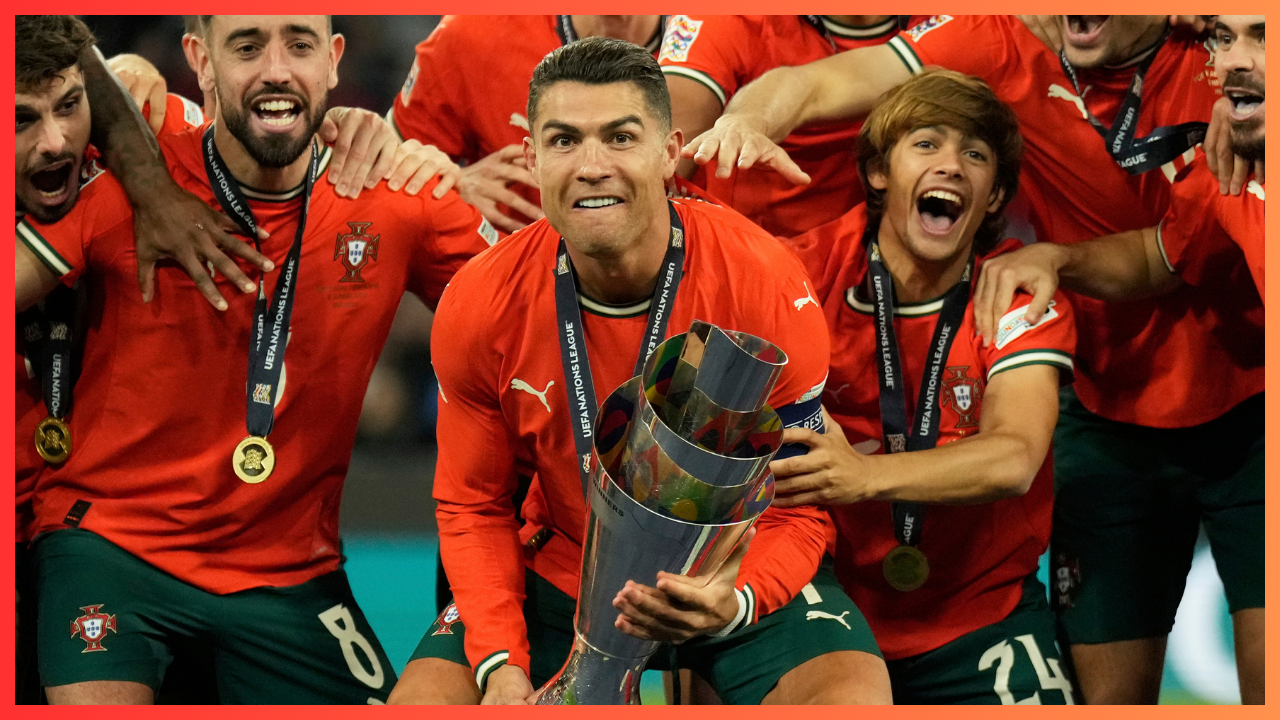
Audience Size: 10.0 | Notoriety: 10.0 | Cultural Impact: 10.0 | Wealth: 9.0 | Use of Influence: 7.0
Final Score: 46.0
Cristiano Ronaldo’s media footprint in 2025 illustrates how a global sports icon can reshape content distribution and fan engagement far beyond the pitch. While millions still tune in to watch him score goals and chase records for Al Nassr and the Portugal national team, it is his strategic use of digital media platforms that has made him one of the most influential figures in global content circulation.
At the center of Ronaldo’s media impact is his YouTube channel UR Cristiano, launched in August 2024. The channel shattered platform records almost instantly—hitting 1 million subscribers within 90 minutes of launch and amassing tens of millions within its first days. By late 2025, it had grown to roughly 77.6 million subscribers and nearly 950 million views, positioning it among the most-subscribed and most-watched channels globally.
Unlike many athlete channels that rely purely on highlight reels or repurposed footage, UR Cristiano blends lifestyle, personal story, training insight, philosophy, and family moments, giving fans a 360-degree view of Ronaldo the person as well as Ronaldo the legend. This approach broadens his reach far beyond traditional football fandom, engaging global audiences who may never watch a full match but will watch a compelling, personality-driven video.
Ronaldo’s media strategy is impactful for several reasons:
- Platform record growth: Rapid breakout metrics—rapidest to early subscriber milestones and placement among YouTube’s top channels—underscore his cross-cultural draw and the appetite for his branded content.
- Content diversity: Posting beyond sports clips—into lifestyle, motivation, and behind-the-scenes moments—positions him as a cultural figure, not just an athlete.
- Global reach: With hundreds of millions of followers across platforms and the most-followed athlete status on major social networks, Ronaldo’s media signals travel faster and wider than many traditional outlets.
Ronaldo’s media influence also intersects with live events. In December 2025, his channel broadened into new sports collaborations, streaming European MMA events like WOW 25 to a massive built-in audience, reflecting how he is leveraging platform scale to expand into adjacent entertainment verticals.
Importantly, Ronaldo’s media reach is not static. Expectations are high that his digital prominence will peak again as major global sporting moments approach—especially the 2026 FIFA World Cup, widely anticipated as his final major tournament appearance before retirement, a narrative that elevates his media story arc and keeps attention centered on him through both athletic and digital channels.
Cristiano Ronaldo’s 2025 media impact shows a modern template for superstar influence: mastery of platform scale, diversified content strategy, and direct audience connection that turns a sports legend into a global media brand as powerful as many traditional news and entertainment outlets combined.
3. Mark Zuckerberg
Audience Size: 10.0 | Notoriety: 9.8 | Cultural Impact: 9.0 | Wealth: 9.9 | Use of Influence: 9.0
Final Score: 47.7
Mark Zuckerberg’s media influence in 2025 was defined less by soundbites than by platform architecture, policy shifts, and the rules that shape how billions consume information. While he himself is not a traditional media personality, his decisions as CEO of Meta Platforms determined much of what appears in feeds, what circulates widely, and how audiences interact with social content across Facebook, Instagram, WhatsApp, and related services—platforms used by an estimated 5 billion people worldwide.
Under Zuckerberg’s leadership, Meta executed some of the most consequential content moderation and distribution policy changes in years. Early in 2025, Meta ended its third-party fact-checking program—arguing that independent fact-checkers introduced bias—and shifted toward a community notes model that relied on user-generated context rather than institutional filters. This recalibration sparked global debate over misinformation, platform responsibility, and user trust, precisely because it reshapes the prerequisites for what counts as “verified” content in algorithmic feeds.
Zuckerberg also publicly articulated a new phase in social media’s evolution, framing 2025 as the “third era” of the space—one driven by AI-generated and AI-amplified content. Meta began integrating AI-generated posts and experiences directly into Facebook and Instagram feeds, positioning its Vibes app as a pioneering interface for synthetic content creation and distribution. This approach—not just AI for backend tasks, but AI as a primary medium of expression—signifies a fundamental shift in how social content is produced and consumed, moving beyond human authored posts to algorithmically surfaced media.
These strategic moves have placed Zuckerberg at the center of numerous cultural debates about the nature of free expression online. Meta’s realignment away from restrictive moderation toward a more permissive, engagement-oriented model was both praised by advocates of open speech and criticized by media watchdogs and public safety advocates concerned about harmful content proliferation. That tension highlights a core dynamic of Zuckerberg’s media impact: his decisions shape the conditions under which public discourse unfolds, even if he rarely steps into that discourse himself.
Regulatory and legal scrutiny further underscored Zuckerberg’s media relevance in 2025. The outcome of the historic FTC antitrust trial, in which Meta prevailed and maintained control over WhatsApp and Instagram, reinforced the company’s platform dominance—effectively cementing Meta’s place at the center of global attention flows for years to come. Zuckerberg’s testimony and strategic positioning during the case were widely covered and analyzed as a bellwether for how Big Tech will be governed and discussed in public media.
Real-world policy and political shifts also intersected with Zuckerberg’s leadership in unexpected ways. For example, the Chan Zuckerberg Initiative’s decision to cut ties with the pro-immigration advocacy group FWD.us reflected a broader reorientation of his philanthropic and corporate posture in the context of the new political environment following the 2024 U.S. election. That move generated significant news coverage precisely because it signaled a break from long-held advocacy priorities—an indicator of how Zuckerberg’s media influence isn’t limited to product features, but extends into culture and political optics.
Even outside specific controversies, Zuckerberg’s strategic pronouncements—whether about building AI tools, reframing social media eras, or reinforcing “products over politics”—shape editorial calendars across tech, business, and mainstream outlets. He may not host podcasts or deliver monologues, but his product roadmaps and platform policies regularly become the de facto agendas for global media: what stories outlets cover, how journalists frame platform effects, and which narratives rise or fall in public salience.
Mark Zuckerberg’s influence in 2025 flowed not from being a visible pundit but from being a gatekeeper of digital attention, a media architect whose decisions determine which voices are amplified, which features are prioritized, and how the collective information environment evolves. In a world where platforms increasingly are the media, Zuckerberg’s role at the top of Meta remains one of the defining influences on how media is produced and consumed worldwide.
2. Donald Trump & the Trump Administration
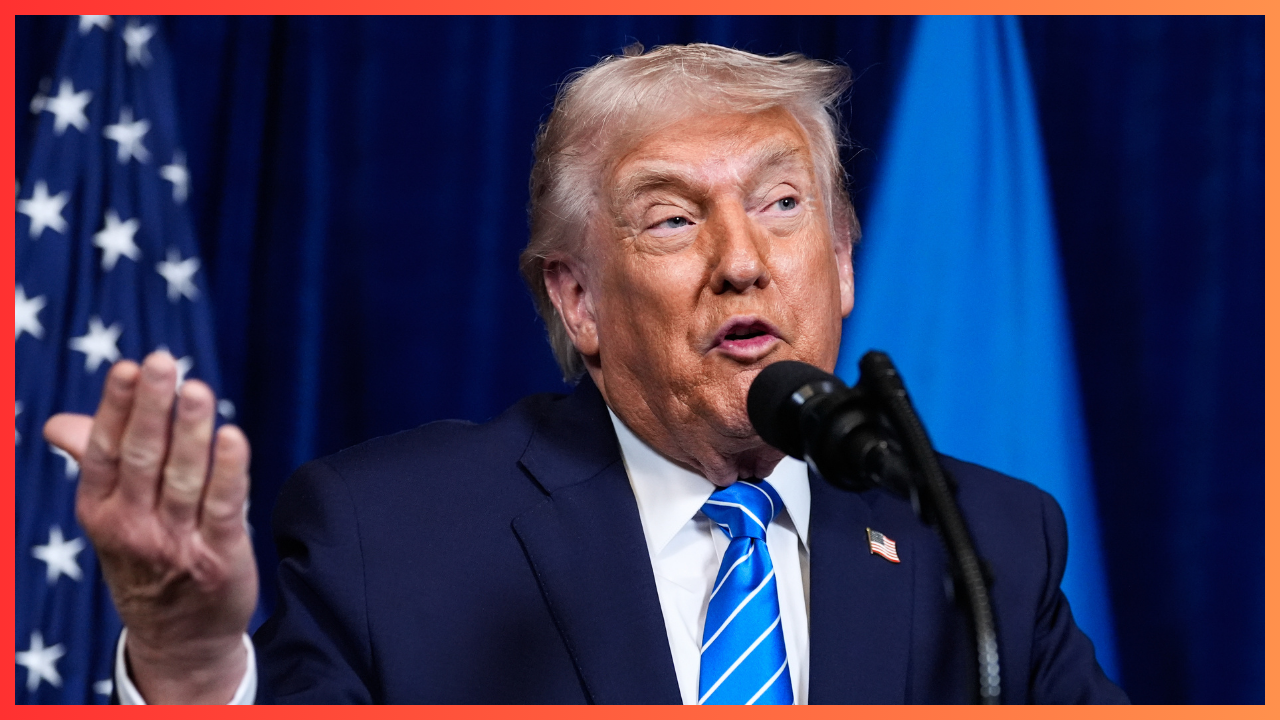
Audience Size: 10.0 | Notoriety: 10.0 | Cultural Impact: 10.0 | Wealth: 9.3 | Use of Influence: 10.0
Final Score: 49.3
If 2024 proved that Donald Trump could bypass the media establishment, then 2025 was the year he moved in and rewrote the rules from the inside.
From the moment Trump returned to the White House, his administration treated media not as a neutral observer of power, but as a battleground to be reshaped. The most symbolic—and consequential—move came early in the year with the formal creation of a “new media” seat in the White House press pool, granting access to independent podcasters, digital creators, and non-legacy outlets that had previously been frozen out of daily briefings.
For the first time in modern history, YouTubers, Substack writers, and podcast hosts stood shoulder to shoulder with CNN, The New York Times, and the broadcast networks—many of them openly skeptical of the institutions they were now credentialed alongside. The message was unmistakable: the administration no longer accepted legacy media’s monopoly on political storytelling.
But the shift went far beyond press credentials.
Throughout 2025, the Trump White House operated with a digital-native mindset more akin to a high-growth media startup than a traditional administration. Official accounts leaned heavily into memes, short-form video, viral clips, and platform-specific humor, often responding to critics in real time and framing policy wins in language designed to travel organically across X, TikTok, Instagram, and YouTube Shorts.
Rather than treating memes as unserious or beneath the dignity of office, the administration weaponized them—compressing complex political messages into instantly shareable cultural artifacts. Screenshots from press briefings, reaction images of Trump himself, and tongue-in-cheek posts from official channels routinely outperformed cable-news clips in engagement, reinforcing a reality the establishment has long resisted: attention, not decorum, now drives narrative power.
Trump himself remained the central node in this ecosystem. His personal X account continued to function as a parallel press operation, setting the news agenda daily and forcing legacy outlets into a reactive posture. Stories routinely broke after Trump posted—not before—cementing his role as both subject and distributor of news.
At the same time, administration officials increasingly opted for long-form interviews with podcasters and independent creators over traditional Sunday shows, using multi-hour conversations to bypass hostile framing and speak directly to targeted audiences. Cabinet members, agency heads, and senior advisers followed the president’s lead, turning alternative media into a core pillar of official communications rather than a campaign-season novelty.
The result was a profound inversion of the old media order. Where previous administrations sought validation from establishment outlets, the Trump White House treated them as just another content vertical—often ignored, sometimes mocked, and rarely deferred to.
By the end of 2025, it was no longer controversial to say that the federal government itself had become a first-rate media operation—one fluent in internet culture, ruthless about engagement, and unapologetic about bypassing traditional gatekeepers.
Love him or loathe him, Donald Trump did not merely survive the collapse of mainstream media authority. In his second term, he accelerated it—proving that political power in the modern era belongs not to those who control the press, but to those who understand how attention actually moves.
And in 2025, no institution on earth understood that better than the Trump White House.
1. Elon Musk
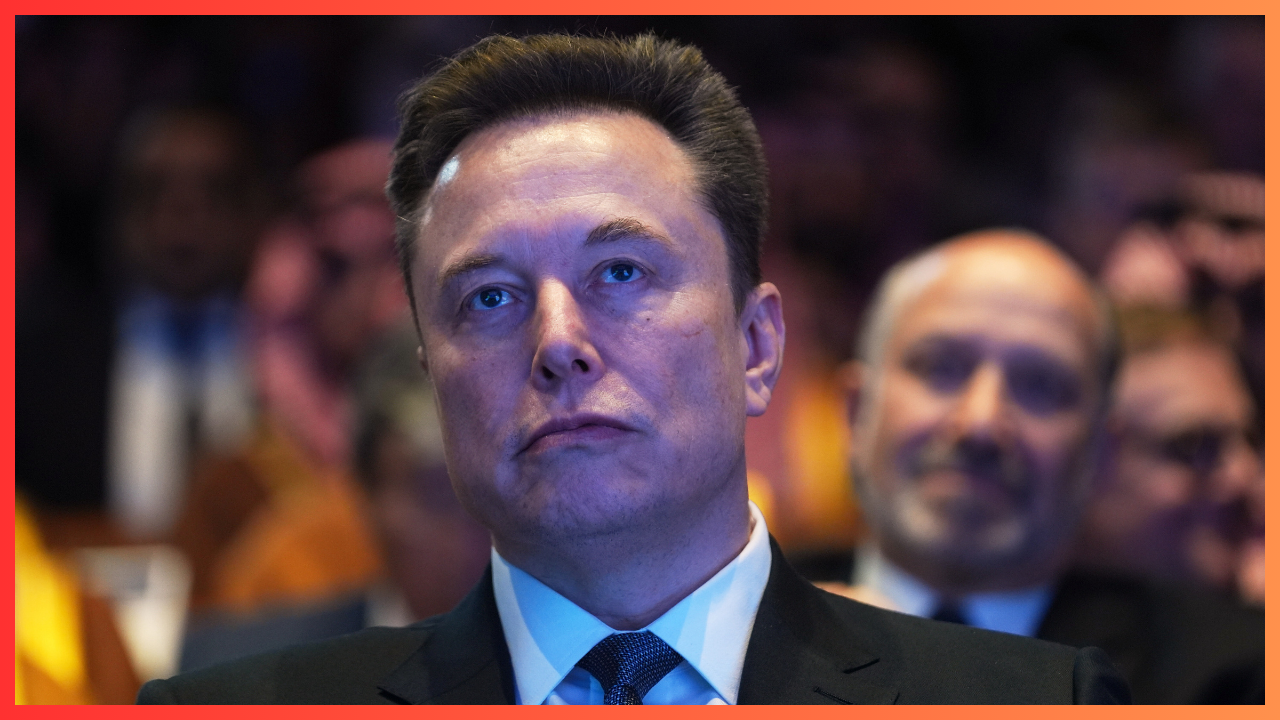
Audience Size: 10.0 | Notoriety: 10.0 | Cultural Impact: 10.0 | Wealth: 10.0 | Use of Influence: 10.0
Final Score: 50.0
By 2025, it was no longer accurate to describe Elon Musk as a businessman who happens to influence media. He had become a media system unto himself.
Three years after acquiring Twitter and rebranding it as X, Musk’s vision for a digital public square fully crystallized. In a year defined by institutional distrust and information overload, X emerged as the single most important real-time news platform in the world—setting narratives, breaking stories, and forcing every other media outlet to react on its terms.
Musk’s personal account remained the engine driving the platform’s cultural gravity. With tens of millions of followers and near-constant engagement, his posts routinely outperformed entire newsrooms in reach. Whether amplifying breaking news, mocking establishment narratives, or elevating independent journalists, Musk functioned simultaneously as editor-in-chief, publisher, and distribution algorithm. In many cases, stories did not exist in the public consciousness until Musk acknowledged them.
Under his leadership, X doubled down on features that fundamentally altered how information circulates online. Community Notes became a defining media innovation of the year, increasingly trusted by users as a crowdsourced counterweight to institutional fact-checking. In 2025, it was not uncommon for legacy outlets, politicians, and even governments to be publicly corrected in real time—often on Musk’s own platform.
X’s pivot toward long-form video, creator monetization, and live broadcasting further blurred the line between social media and traditional outlets. Podcasts, independent shows, and livestreams flourished inside the platform’s ecosystem, turning X into a hybrid of newsroom, television network, and comment section—sometimes chaotic, often raw, but undeniably influential.
Crucially, Musk resisted the pressure to reimpose top-down editorial control, even as advertisers and regulators pushed for tighter moderation. The result was a platform that reflected the internet as it actually exists, rather than the sanitized version legacy media once promised. For better or worse, X became the place where narratives were contested openly, not curated quietly.
Musk’s media influence also extended beyond his own platform. His endorsements, reposts, and offhand replies continued to shape coverage across television and print, with journalists openly tracking his feed as a primary source. In an age of collapsing trust, Musk’s willingness to speak directly—and often controversially—cemented his role as one of the most consequential communicators of the era.
By the end of 2025, the verdict was clear: Elon Musk did not kill the mainstream media. He rendered it optional.
Through X, he demonstrated that attention could be decentralized, verification could be crowdsourced, and distribution no longer required institutional permission. In doing so, Musk reshaped how news breaks, how narratives spread, and how power communicates with the public.
For a world still adjusting to life after the gatekeepers, no single figure loomed larger over the media landscape in 2025 than Elon Musk.
By the end of 2025, one thing was no longer up for debate: media power has changed hands.
The people on this list didn’t just adapt to a shifting landscape—they shaped it. Some built audiences that rival nations. Others rewrote the rules of production, distribution, or ownership. Together, they revealed a media ecosystem no longer governed by credentials or tradition, but by leverage, trust, and control.
As the lines between creator, platform, executive, and institution continue to blur, the question for the years ahead is no longer who gets heard—but who gets to decide.
The future of media is here…and as we’re fond of saying, THE FUTURE LOOKS BRIGHT!
Here’s a look back at the full list for 2025:
- Elon Musk
- Donald Trump
- Mark Zuckerberg
- Cristiano Ronaldo
- Joe Rogan
- Beast
- Jake Paul
- Logan Paul
- Taylor Swift
- Charlie Kirk / TPUSA
- Jeff Bezos
- Bad Bunny
- Dana White
- Lionel Messi
- Stephen A. Smith
- Tucker Carlson
- Bill Maher
- Dave Portnoy
- Jimmy Kimmel
- Candace Owens
- Lachlan Murdoch
- Ben Shapiro
- Megyn Kelly
- Bari Weiss
- Alex Cooper
- Tim Cook
- Ari Emmanuel
- Nelk Boys
- All-In Podcast
- David Ellison
- Piers Morgan
- Bill Ackman
- Jesse Watters
- Theo Von
- Sam Altman
- Andrew Schulz
- Steven Crowder
- Greg Gutfeld
- Daniel Ek
- Bret Baier
- Charlamagne tha God
- Bob Iger
- Pat McAfee
- iShowSpeed
- Shawn Ryan
- Kai Cenat
- Matt Walsh
- Mehdi Hasan
- Scott Jennings
- Suzanne Scott



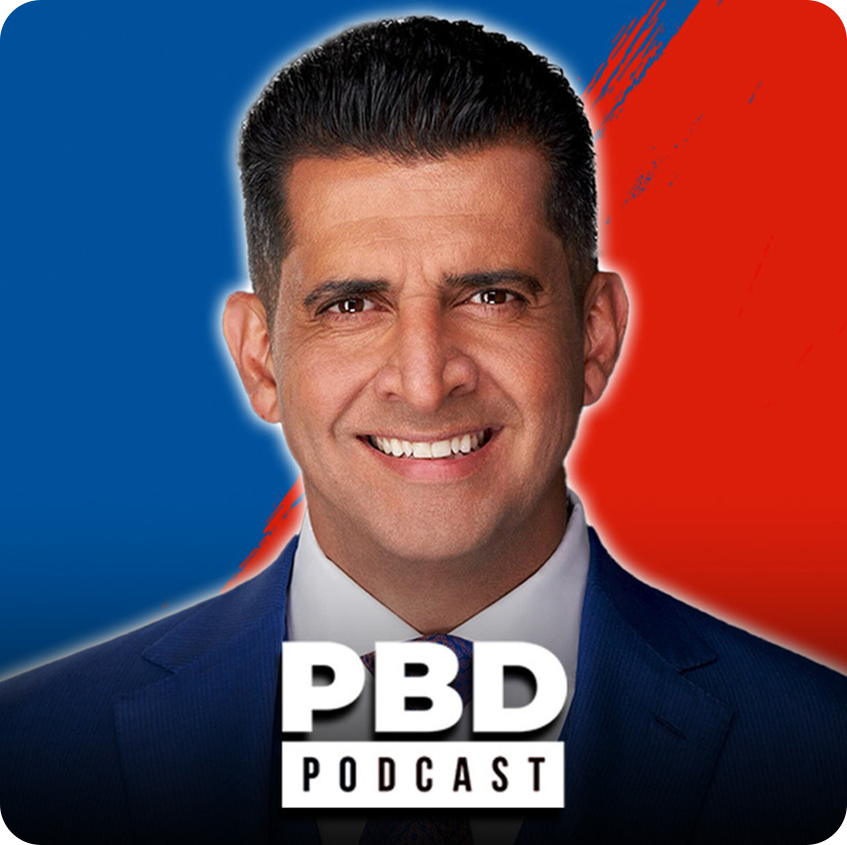

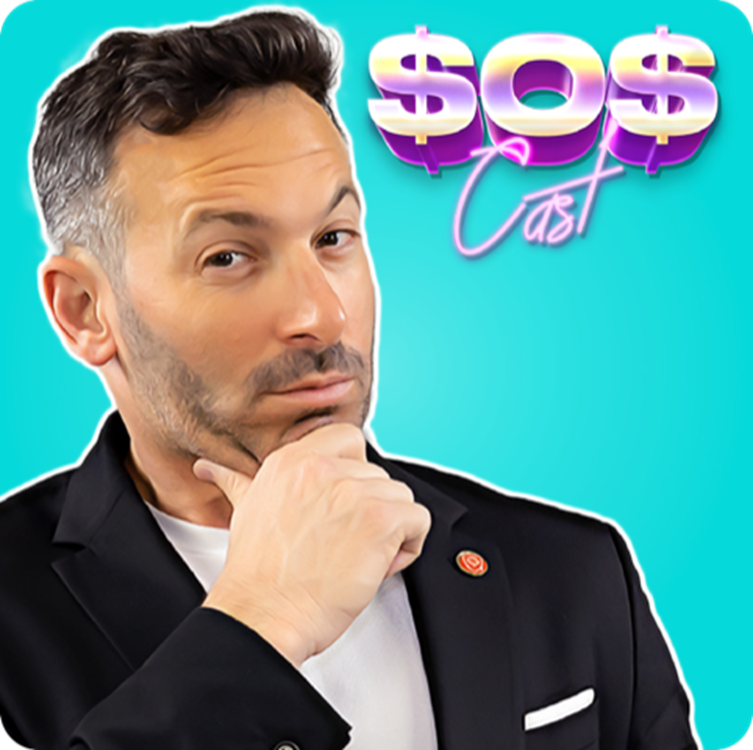
Add comment